
Skip to content

Corrective Exercise Therapy in Pegram, Tennessee

Resistance bands require controlled form and the right exercise choice for each patient in Pegram. We use exercise instruction and movement coaching to support safer progress.

Upfront, Transparent PricingServing 18 CommunitiesMon-Fri: 9 am–7 pm, Sat: 9 am–2 pm, Sun: ClosedFast Scheduling

Quick Summary: Corrective Exercise Therapy in Pegram, Tennessee

Corrective Exercise Therapy in Pegram is provided by Advanced Injury Care Clinic for movement coaching, form correction, and exercise instruction. Care supports patients across Pegram and surrounding communities, with plans shaped by each patient’s needs.

  • What we do: Advanced Injury Care Clinic provides Corrective Exercise Therapy in Pegram, Tennessee through guided exercise instruction, form correction, and movement coaching.
  • What is included: Movement assessment, corrective exercise instruction, form checks, progress tracking, and practical home guidance.
  • What you get: Patients receive a guided exercise plan that supports improved comfort, mobility, and daily movement.

Why does my back pain keep returning during exercise?

Recurring back pain during exercise may relate to poor form, limited mobility, or a movement pattern that needs closer review. Corrective exercise therapy checks these factors and matches exercises to your current ability.
Corrective Exercise Therapy in Pegram, Tennessee for Guided Movement

Corrective exercise therapy focuses on how your body moves during daily tasks and prescribed exercises. It may suit patients with back pain, neck pain, headaches, whiplash, or ongoing strain who need more than passive care.

The main decision is fit. Our team reviews your health history, performs an examination, and considers whether exercise instruction belongs in your personalized treatment plan. The service isn't the right first step for every symptom, especially when a condition needs medical evaluation outside musculoskeletal care.

A careful plan matters because the same movement can help one patient and irritate another. We start with manageable exercises, watch form closely, and use progress tracking to guide changes.

  • Bring a list of current symptoms, past injuries, and activities that increase discomfort.
  • Expect a health history and exam before exercises are selected.
  • Ask how each movement supports your daily goals.
  • Tell us when an exercise causes sharp or unusual pain.
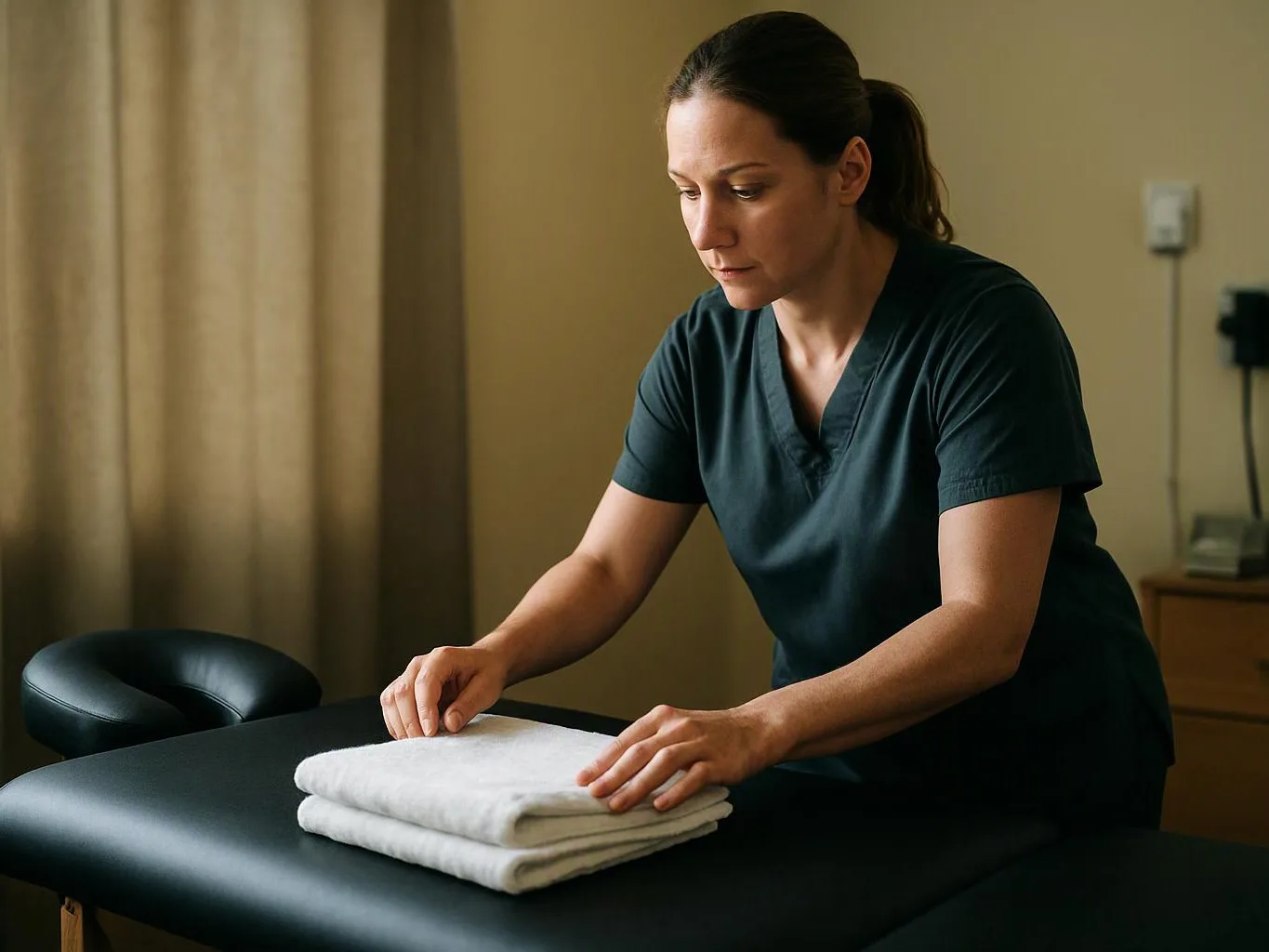
A woman in dark scrubs folds white towels on a black treatment table in a quiet room

Service Overview

Corrective exercise therapy is a guided movement service that helps patients improve form, control, and mobility.

  • It differs from spinal adjustments because it teaches active movement patterns that patients practice during and between visits.
  • Advanced Injury Care Clinic provides this care for patients in Pegram and surrounding communities.

What Guided Exercise Can Change

Form correction may improve control during movements that feel difficult.

Movement coaching gives you clear cues for daily tasks and exercise practice.

Progress tracking helps keep your plan matched to your current response.

Active exercise may support comfort and mobility as part of broader injury care.

Regular maintenance may help you keep useful movement habits after active symptoms settle.

What Your Corrective Exercise Visit Includes

Advanced Injury Care Clinic provides comprehensive Corrective Exercise Therapy in Pegram. Here's what you get:

  • A health history and movement exam help us understand your current limits.
  • Exercise instruction shows you how to perform each movement with control.
  • Form correction addresses posture, joint position, breathing, and movement quality.
  • Movement coaching connects exercises with daily activities and work demands.
  • Progress tracking helps us decide when an exercise needs adjustment.
  • Practical guidance supports safe practice between appointments.
Process

How We Guide Corrective Exercise Sessions

1

Review symptoms and movement goals

We discuss your health history, symptoms, daily activities, and treatment goals before choosing exercises.

2

Check movement and exercise form

The exam looks at control, range, posture, and the movements that increase discomfort.

3

Teach each exercise clearly

We demonstrate the movement, explain its purpose, and give cues for safe practice.

4

Track response and adjust

Follow-up checks help us change exercise choice, form cues, or activity level when needed.

What Patients Get From Guided Movement Care

An exercise plan matched to your exam

The first plan follows your symptoms, movement limits, and stated goals. It isn't a fixed routine copied from another patient.

Form checks during active practice

We watch how you move and give plain cues for control, range, and body position.

A clear limit for treatment fit

This service is the wrong job when symptoms suggest a medical issue outside musculoskeletal care or when exercise causes unusual warning signs.

Active Exercise and Other Chiropractic Care

These options differ by the type of participation and movement work involved.

Care optionMain activityPatient role
Corrective exercise therapyGuided movement, form correction, and exercise coachingPractices movements during and between visits
Spinal adjustmentsHands-on care directed at joint movementReceives the adjustment and follows aftercare guidance
Soft-tissue therapyHands-on work directed at muscles and other soft tissuesCommunicates comfort and symptom changes during care

The Advanced Injury Care Clinic Standard

  • Individualized Care
  • Thorough Assessments
  • Clear Communication
  • Comfortable Techniques

Questions About Guided Corrective Exercise Care

What should I expect during corrective exercise therapy?

Resistance bands may support guided exercises, but the visit starts with an assessment and movement review. Advanced Injury Care Clinic then teaches each exercise and checks your form.

You’ll receive cues for posture, breathing, and control. Progress tracking helps us decide whether the exercise needs a change at follow-up.

How are resistance bands matched to my exercise plan?

Resistance bands are matched to your movement control, symptoms, and exercise goal. The band should support the task without forcing poor form.

Our team checks your position and range during practice. Tell us if the movement causes sharp pain, numbness, or a new symptom so we can reassess the exercise.

What should be ready before corrective exercise therapy starts?

Your symptom history, injury details, and main movement goals should be ready before care starts.

Bring information about activities that increase discomfort and any current treatment. Wear clothing that lets you move comfortably, and tell us about changes in symptoms before exercise begins.

Which signs mean an exercise needs review?

Sharp pain, new numbness, unusual weakness, or worsening symptoms mean an exercise needs review.

Stop that movement and tell our team what happened. We can check your form and decide whether the exercise needs a different cue, range, or place in the plan.

When should I ask about movement coaching?

Movement coaching fits when symptoms affect how you walk, lift, sit, exercise, or complete daily tasks.

The assessment connects those tasks with your treatment goals. Patients with accident injuries, back pain, neck pain, and ongoing strain may ask whether active exercise belongs in their care plan.

Why does form correction matter during home exercises?

Form correction matters because body position can change how a movement loads your joints and muscles.

We watch the exercise and give simple cues for control. Practicing the corrected form at home can help you follow the plan more accurately, but individual response differs.

What should I ask before agreeing to corrective exercise therapy?

Ask which movement goal the plan addresses, how form will be checked, and what symptoms should stop an exercise.

You can also ask how progress will be tracked and when the plan will be reviewed. Those answers help you understand the role of active exercise in your broader treatment.
Contact

Discuss Corrective Exercise Therapy in Pegram

Start with a consultation about your symptoms, movement goals, and exercise concerns. Advanced Injury Care Clinic offers free consultations so you can discuss the right next step before treatment.

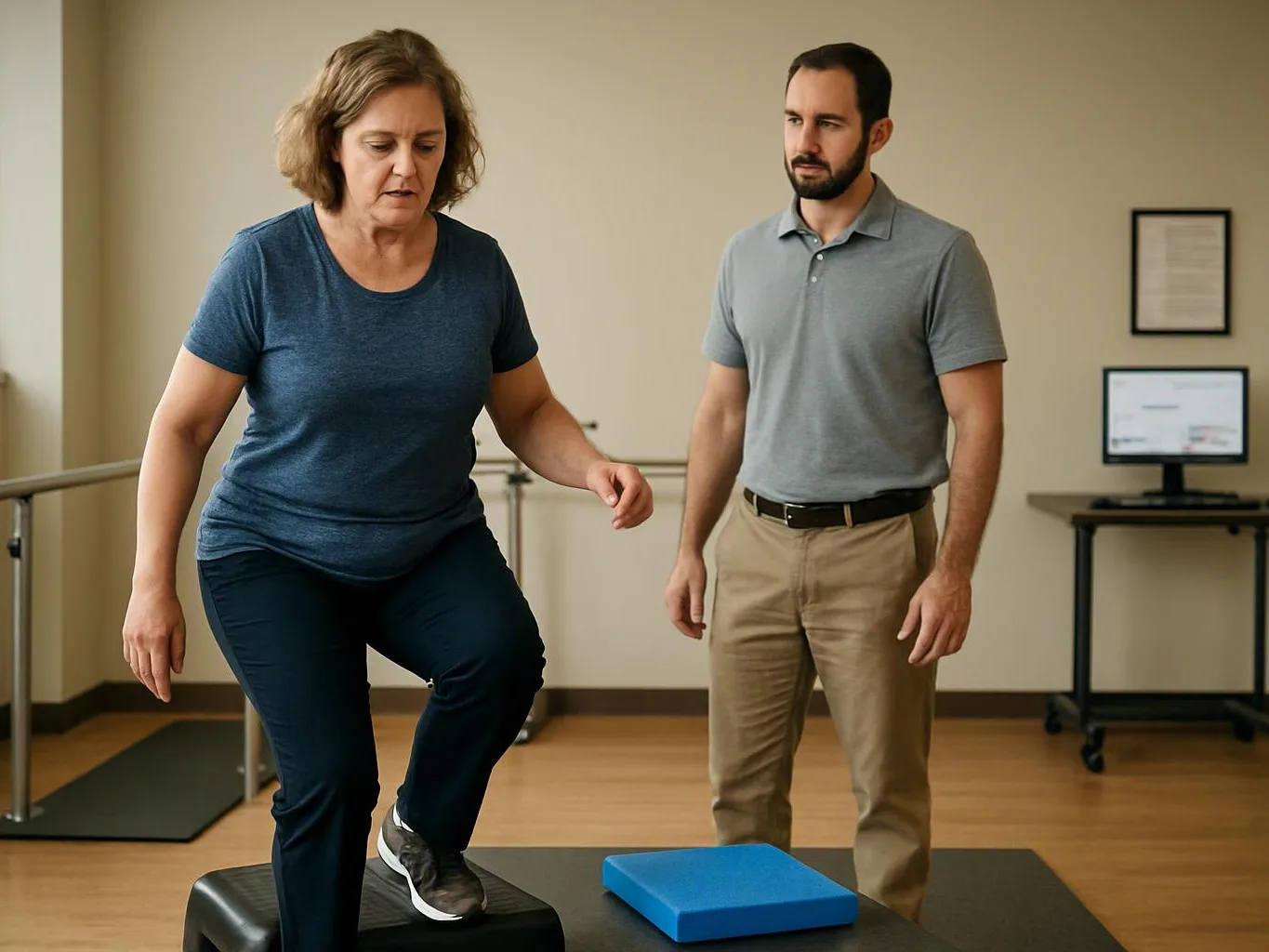
A woman steps onto a black exercise platform while a man watches in a therapy room

ZIP Codes We Serve in Pegram, Tennessee

37143

Corrective Exercise Therapy in Other Areas

The health and wellness information on this website is for general informational purposes only and is not medical advice. It does not create a provider-patient relationship. Always consult a qualified licensed provider in Brentwood, Tennessee, United States about your specific condition before making care decisions. Individual results vary.

(615) 265-0412