How does kinesiology taping help with pain and movement?
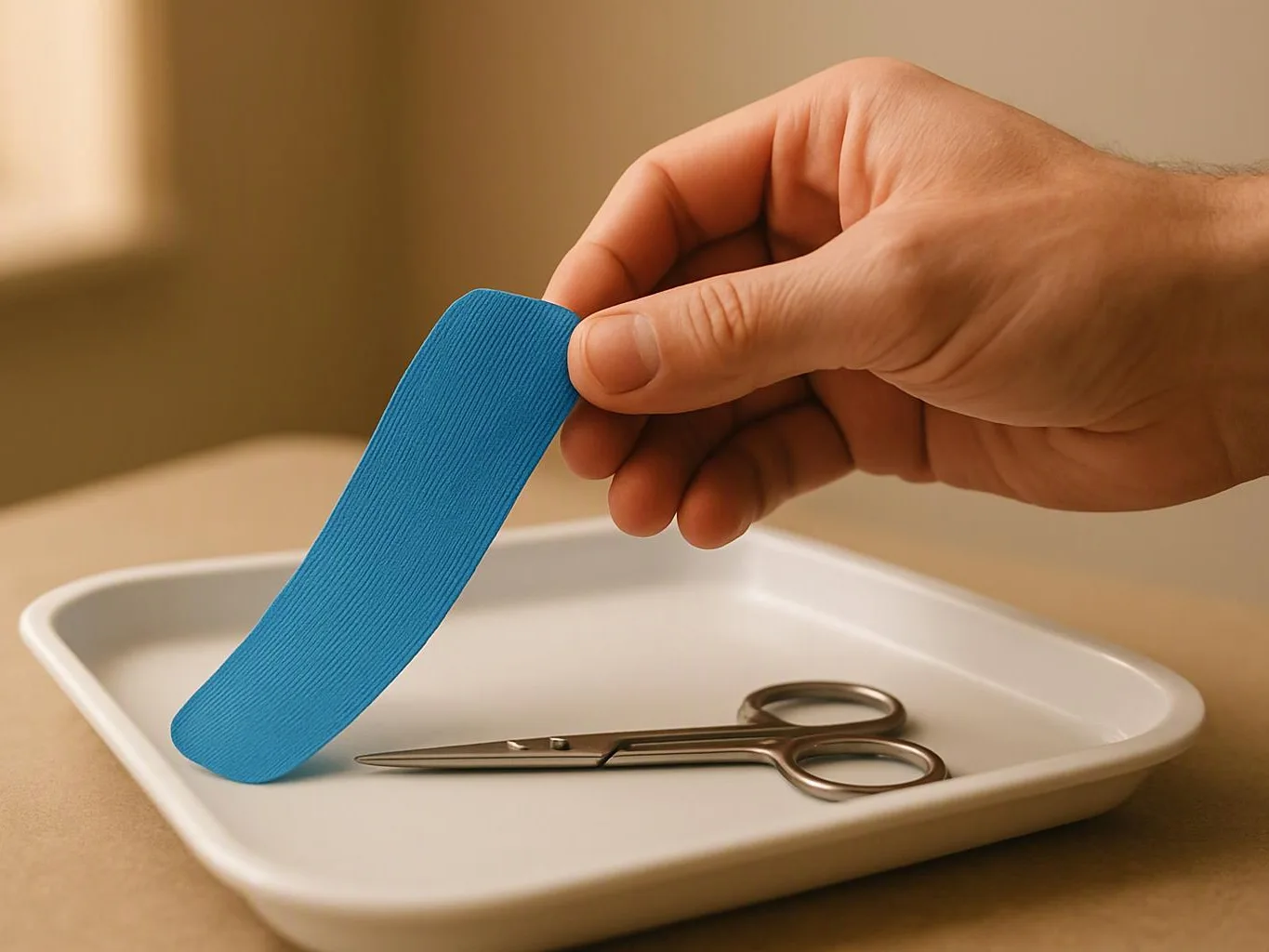
Elastic tape may support muscles and joints while you move, which can improve movement awareness and comfort. Advanced Injury Care Clinic first checks the painful area, range of motion, and movement pattern. We then choose whether taping fits your care plan. Individual response differs, and taping does not replace assessment of the underlying problem.
Which material changes how long taping takes?
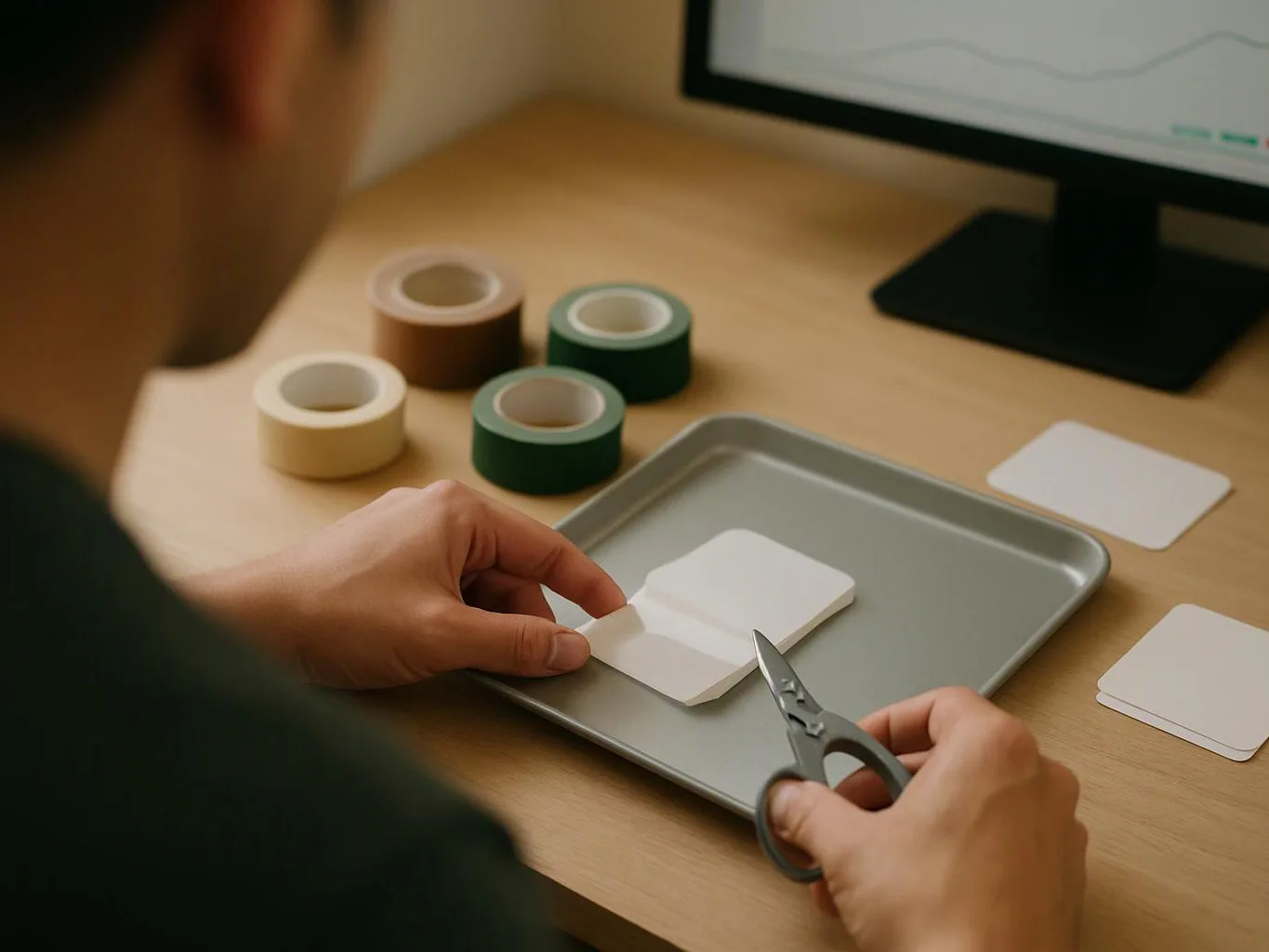
Elastic tape choice and the size of the target area affect the application work. We also consider the body part, skin condition, movement goal, and number of areas involved. Our team checks these points during the assessment, then explains the care plan and any related services before treatment begins.
How does a taping visit move from the first call to the last step?
The visit moves from a consultation to an assessment, tape placement, and care guidance. We review symptoms and health history first. Next, we check movement and apply the selected support. The final step covers how taping fits with exercises, soft tissue therapy, adjustments, or follow-up care.
How can I tell whether taping fits my symptoms?
Taping may fit symptoms linked to movement strain, muscle support, or joint control. A health history and physical assessment decide whether it belongs in your plan. We also check for concerns that need another form of care. Severe or changing symptoms should receive medical attention before taping is considered.
What should I bring to a first chiropractic appointment?
Your symptom history, accident details, current treatment information, and questions help guide the first visit. Bring relevant medical records when available. Our team uses the new patient intake, health history, and exam to understand the concern. X-rays are considered only when clinically indicated.
Why might taping not help a painful joint?
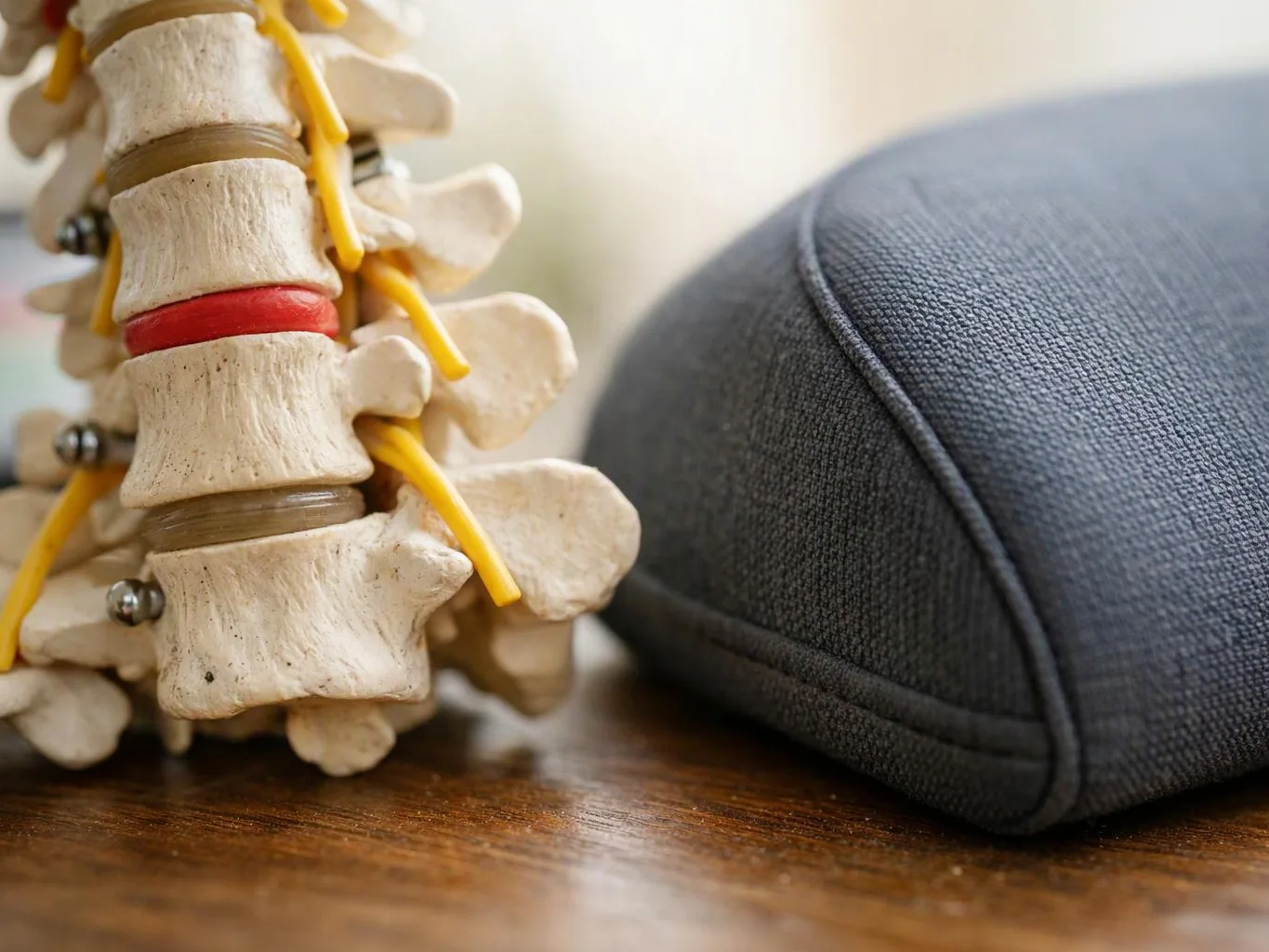
Taping may not help when the main problem needs a different diagnosis or treatment. Joint pain can involve an injury, nerve symptom, muscle strain, or movement issue. We assess the area and explain whether taping, soft tissue therapy, corrective exercise, or another option fits the findings.
What makes a chiropractic care plan suitable after an accident?
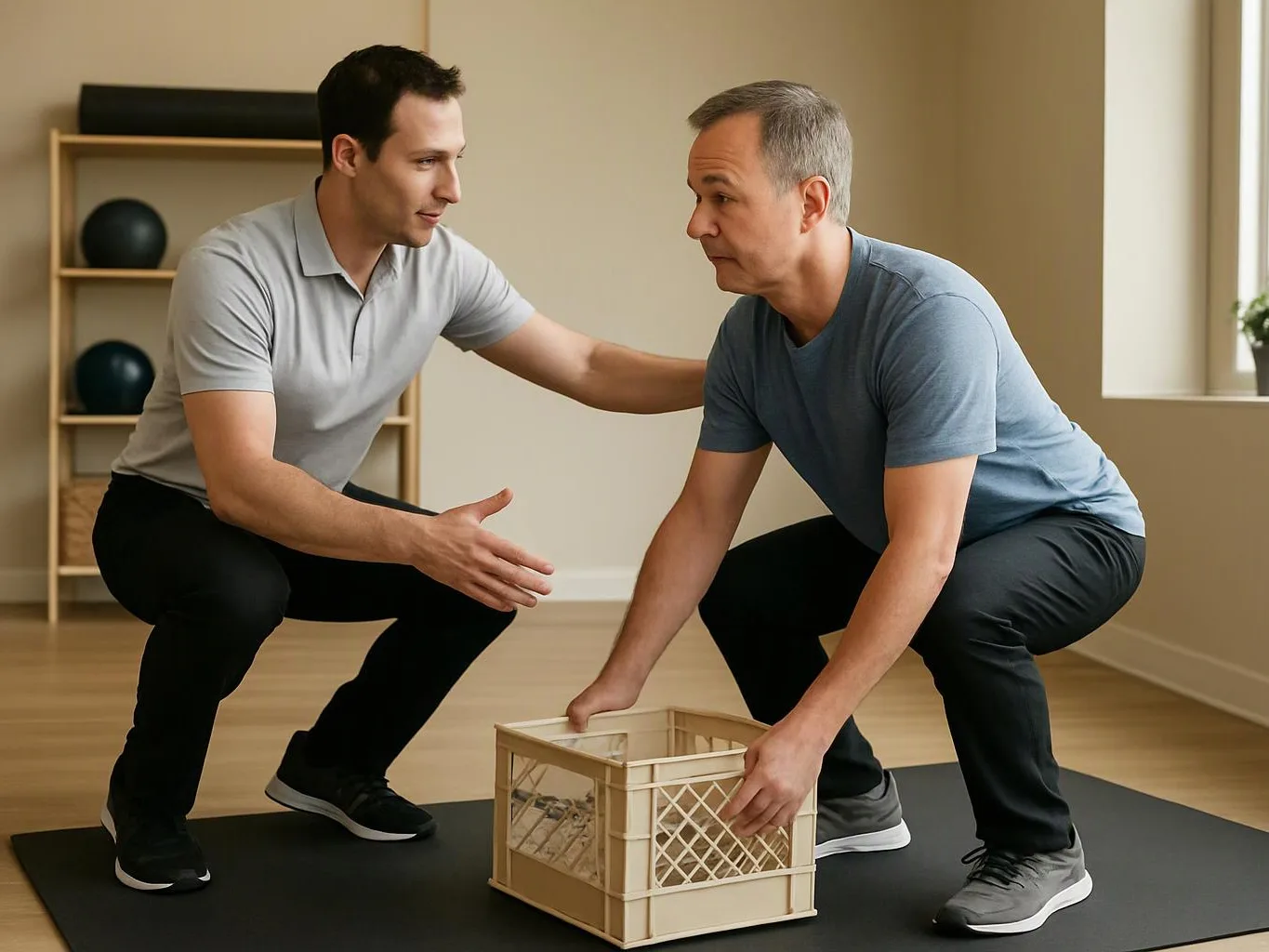
An accident care plan should match the injury history, current symptoms, examination findings, and daily movement limits. We review those details before choosing taping or other treatment. Our team may use adjustments, therapeutic modalities, soft-tissue techniques, and corrective exercises when they fit the patient’s needs.