What should I expect during a kinesiology taping session?
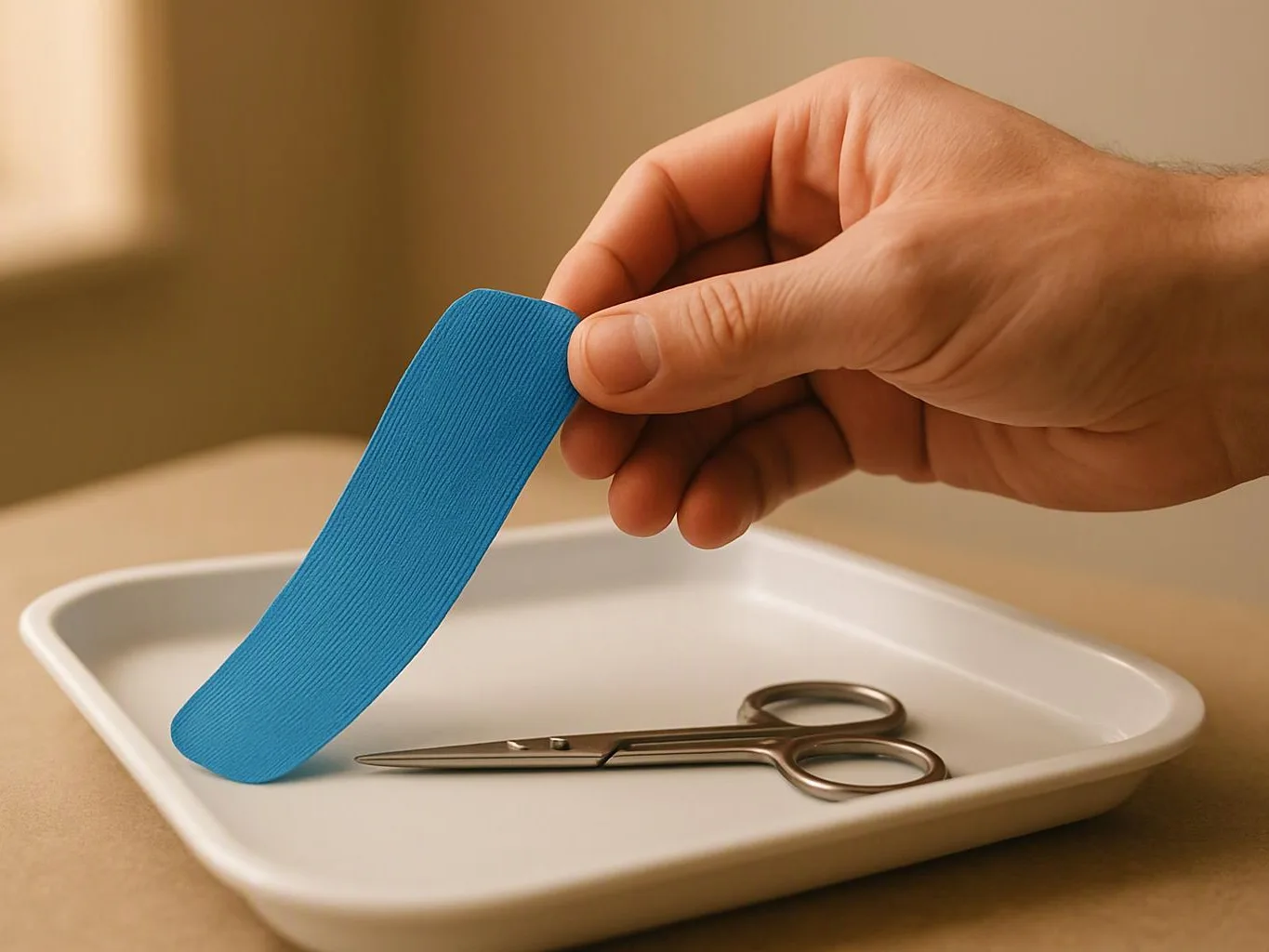
Skin preparation comes first, and Advanced Injury Care Clinic then plans tape placement around your symptoms and movement. We check the area, discuss comfort, apply the tape, and explain wear care. Patients can ask about tension and removal before leaving. The session may form part of a wider chiropractic assessment when injury symptoms need more review.
What does the clinician look at first before applying tape?
The skin condition and treatment area receive the first check. We look for moisture, irritation, cuts, and other concerns that could affect contact or comfort. The body region and movement goal guide the next step. Patients should mention skin sensitivity before tape application begins.
What should be checked before taping is scheduled?
The injury area, skin condition, symptoms, and movement limits should be checked before taping is scheduled. This discussion helps determine whether tape fits the care plan. Customers should also share recent accident details, current treatments, and concerns about adhesive materials during the consultation.
Who is a good fit for kinesiology taping, and who needs a different service?
Patients seeking supportive tape during movement may be good candidates after an assessment. Open wounds, significant skin irritation, or symptoms needing urgent medical review call for a different service or referral. We discuss fit before application and explain when chiropractic evaluation, exercise care, or another option should come first.
How does tape tension affect the application?
Tape tension affects how the strips feel and how they support the treated area. We choose tension based on placement, movement, comfort, and the care goal. Customers should report pulling, burning, itching, or other discomfort during the visit. We can then reassess the application.
Which symptoms should make me remove the tape?
Skin burning, marked itching, swelling, or increasing redness should prompt tape removal and a call to the clinic. Mild edge lifting does not always require immediate removal, but loose tape can catch on clothing. We explain safe removal and follow-up steps during the visit.
Why might kinesiology tape stop helping during exercise?
Kinesiology tape may lose support when sweat, friction, movement, or lifting edges affects contact. We review the activity, placement, and skin condition before changing the application. Patients should not add extra strips over irritated skin, and they should ask about a new plan if symptoms continue.