How does spinal alignment improve daily movement?
Spinal alignment may improve daily movement by addressing restricted motion and uneven strain. Advanced Injury Care Clinic reviews joint motion, muscle balance, and movement habits before selecting care. Spinal adjustments, corrective exercises, and soft-tissue techniques may all play a role. Individual response differs, so the plan develops from your findings and goals.
What should be ready before postural correction starts?
A clear health history, symptom list, and description of daily movement concerns help prepare for postural correction. Bring information about past injuries, current treatment, and activities that increase discomfort. The first visit includes an intake and examination. Our team then explains suitable options before treatment begins.
Which condition changes the time needed for posture-focused care?
The condition that changes care time is the patient’s movement pattern, symptom level, and response to treatment. The examination helps us understand whether restricted motion, muscle tension, or an injury needs attention first. We discuss the plan after reviewing those findings, and we do not promise a fixed treatment duration.
What should a patient ask before agreeing to postural correction?
Patients should ask which findings support the plan, what each treatment is meant to address, and how progress will be reviewed. Clear answers help you understand spinal adjustments, exercises, and soft-tissue work before choosing care. Our team explains the options and expected patient participation during the consultation.
When are corrective exercises added to chiropractic care?
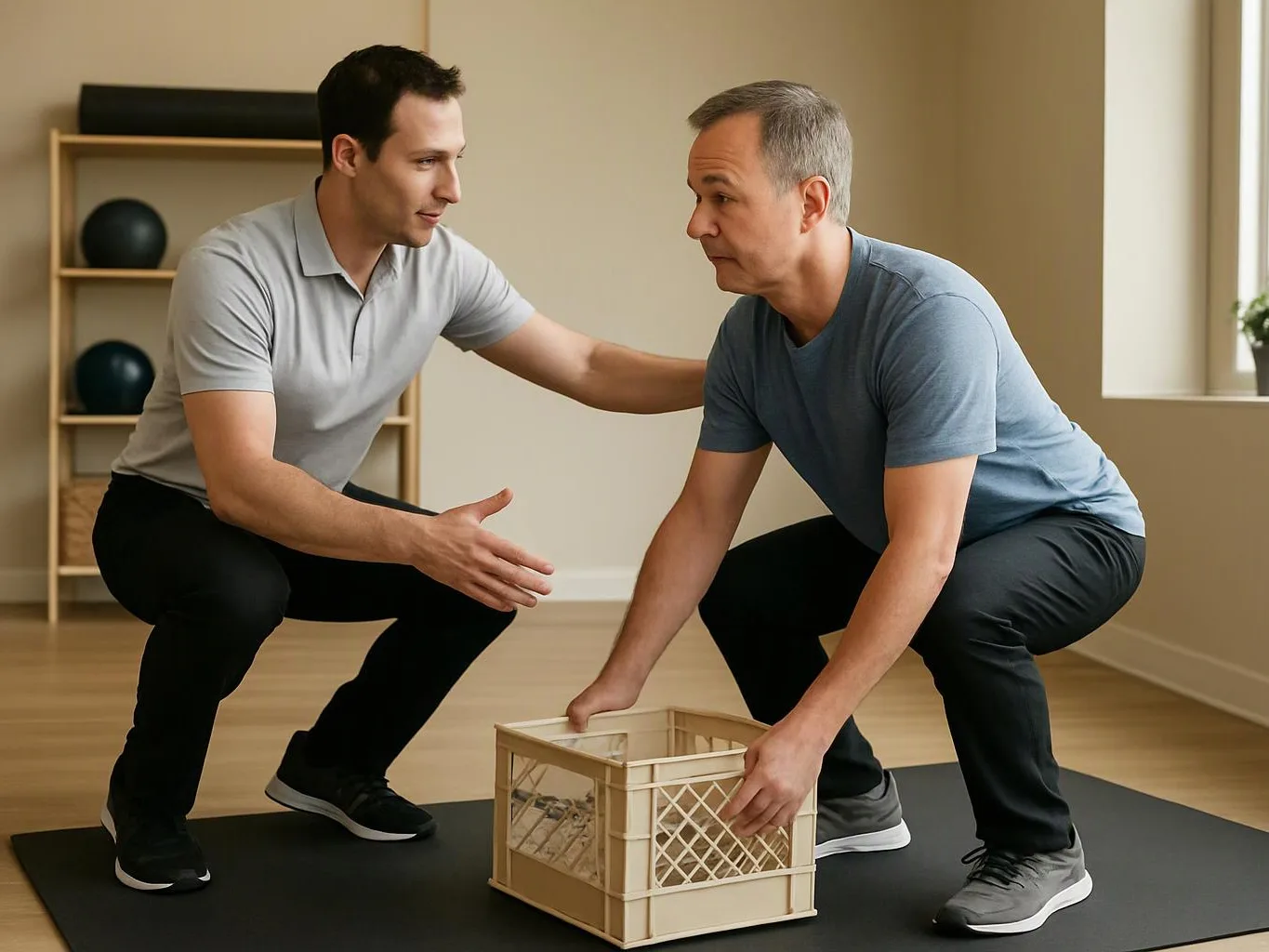
Corrective exercises are added when active movement practice fits the examination findings and patient goals. Exercises may support muscle balance, body awareness, and control during daily tasks. Our team explains how each exercise relates to your movement concerns. The selection changes when symptoms or physical findings call for another approach.
Why might neck pain continue after posture changes?
Neck pain may continue because posture is only one factor in movement and comfort. Joint restriction, muscle tension, prior injury, and repeated work habits can also affect symptoms. We review these factors during the examination and may include soft-tissue techniques, spinal adjustments, or corrective exercises when appropriate.
Which care fits posture concerns after an accident?
Accident-related posture concerns need an injury-focused examination before routine movement care. Whiplash, back pain, headaches, and restricted motion can change the treatment plan. Advanced Injury Care Clinic reviews the accident history and physical findings, then explains whether postural work belongs within the broader injury-care plan.