Skip to content

Postural Correction in Smyrna, Tennessee

Poor spinal alignment can make daily movement feel stiff or uneven in Smyrna. We assess movement patterns and build care around your needs.

Upfront, Transparent PricingServing 18 CommunitiesMon-Fri: 9 am–7 pm, Sat: 9 am–2 pm, Sun: ClosedFast Scheduling

Quick Summary: Postural Care in Smyrna, Tennessee

Postural Correction in Smyrna is provided by Advanced Injury Care Clinic for patients who need help with spinal alignment, movement patterns, and daily comfort. Care includes evaluation, spinal adjustments, corrective exercises, soft-tissue techniques, and practical guidance across Smyrna and surrounding communities.

  • What we do: Advanced Injury Care Clinic provides Postural Correction for Smyrna, Tennessee patients through chiropractic evaluation and individualized care planning.
  • What is included: Movement review, spinal adjustments, corrective exercises, soft-tissue techniques, and practical posture guidance.
  • What you get: Postural Correction helps patients understand movement limits and follow a care plan built around comfort, mobility, and daily activities.

Why does poor posture keep causing back or neck pain in Smyrna?

Poor posture can place repeated strain on muscles and joints, especially during work, driving, or routine tasks. A chiropractic evaluation helps identify movement habits, muscle balance concerns, and spinal alignment changes that may contribute to discomfort. Care then focuses on the findings, not a generic exercise list.


Postural Correction for Daily Movement in Smyrna

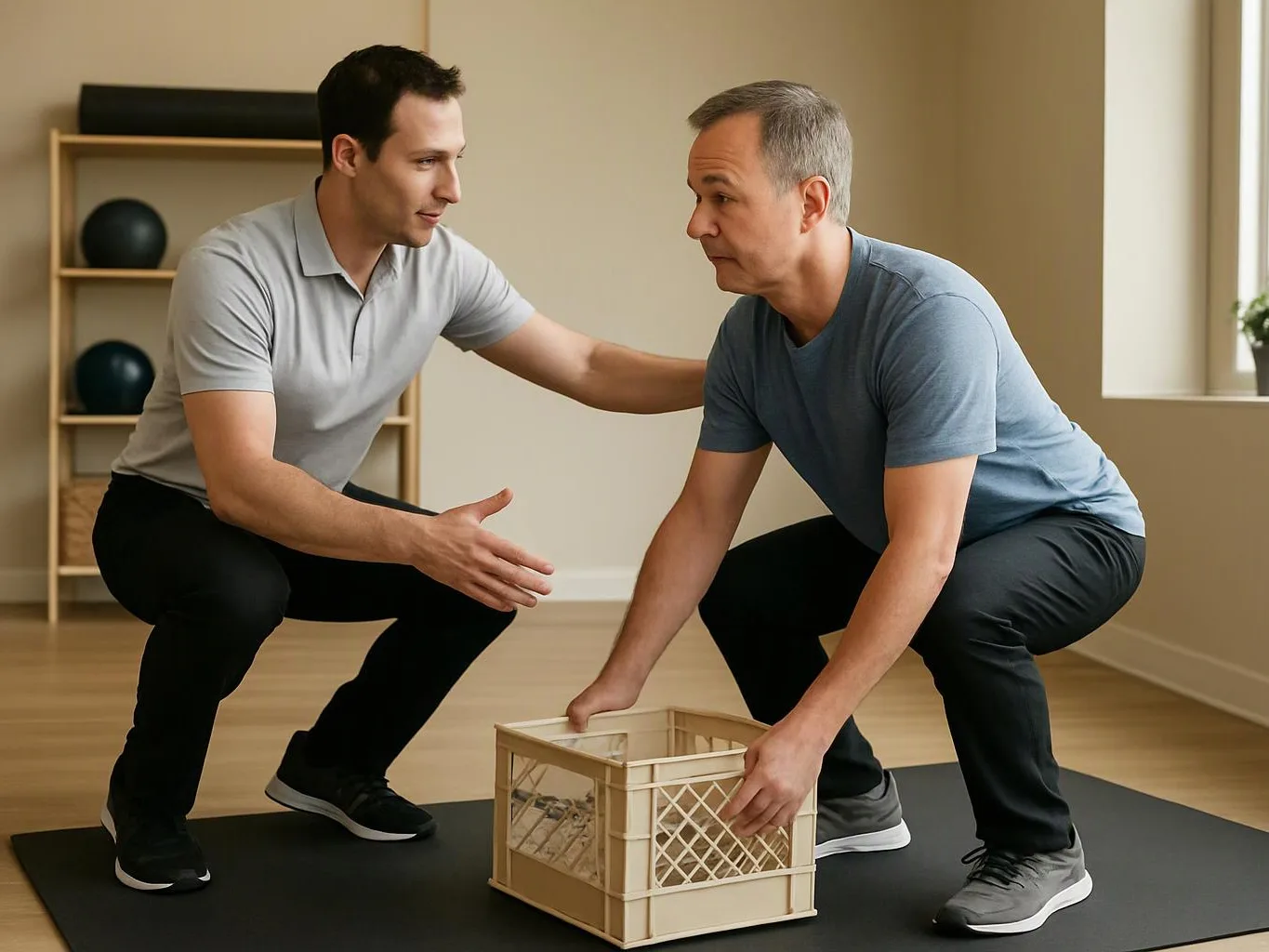
Postural correction focuses on the way your body holds and moves during ordinary tasks. Our team looks at symptoms, movement patterns, muscle balance, and habits that may add strain. The goal is a care plan that fits your needs, not a fixed routine for every patient.

This service may suit people with neck pain, back pain, headaches, shoulder pain, or discomfort linked to ongoing strain. It may also help patients who notice uneven movement, poor body awareness, or less comfort during work and daily activities. Results vary, so we explain what the assessment shows and what care may support your recovery.

A regular maintenance approach may help some patients keep practicing better movement habits after active care. We decide whether that fits your needs during follow-up, based on your response and daily goals.

  • Discuss symptoms, work habits, activity demands, and daily movement concerns.
  • Review posture, spinal movement, muscle balance, and body awareness.
  • Choose care methods that match the findings and your comfort.
  • Learn practical movement and self-care guidance for use between visits.
A man lies on a mat stretching with a strap while a smiling woman watches in a gym room

Service Overview

Postural correction is a chiropractic service that addresses how the spine, muscles, and joints work during movement.

  • It differs from a single adjustment because care may also include corrective exercises, soft-tissue techniques, and guidance for daily habits.
  • Advanced Injury Care Clinic provides this care for patients in Smyrna and surrounding communities.

What Postural Correction Includes for Your Care Plan

Advanced Injury Care Clinic provides comprehensive Postural Correction in Smyrna. Here's what you get:

  • A health history and examination focused on posture, movement, and musculoskeletal symptoms.
  • A review of spinal alignment, muscle balance, and movement patterns.
  • Spinal adjustments when they fit the findings and your care plan.
  • Corrective exercises that support control, strength, and more comfortable movement.
  • Soft-tissue techniques and therapeutic modalities when appropriate.
  • Practical guidance for daily habits, body awareness, and regular maintenance.

How Better Movement Supports Daily Comfort

A personalized care plan gives you clear steps for addressing posture-related strain.

Improved body awareness may help you notice habits that add stress during daily tasks.

Corrective exercises can support muscle balance and movement control between appointments.

Spinal adjustments and soft-tissue therapy may improve comfort and mobility for some patients.

Clear guidance helps you understand how care connects with work, activity, and self-care goals.

What Your Care Plan Should Clarify

A plan tied to your movement

Your care plan should connect symptoms with movement patterns, muscle balance, and daily demands. We explain why each recommended treatment fits your findings.

Several tools may support care

Spinal adjustments, soft-tissue therapy, corrective exercises, and therapeutic modalities may each have a place. The right mix depends on your symptoms and response.

Know when another service fits

Postural correction is not the right first step for every symptom. Severe or unexplained symptoms may need medical evaluation, and we help you understand when a different type of care is more suitable.

Process

How We Plan Postural Correction Care

1

Discuss Your Symptoms and Goals

The new patient intake covers your health history, current symptoms, activity demands, and goals for daily movement.

2

Review Movement and Spinal Function

The examination considers posture, spinal motion, muscle balance, body awareness, and the movements that bring on discomfort.

3

Explain the Findings

We discuss the factors that may contribute to your symptoms and answer questions about suitable care methods.

4

Build the Treatment Plan

The personalized treatment plan may include spinal adjustments, corrective exercises, soft-tissue techniques, and therapeutic modalities.

5

Check Progress and Adjust Care

Follow-up visits help us review your response, refine exercises, and decide whether regular maintenance supports your goals.

The Advanced Injury Care Clinic Standard

  • Individualized Care
  • Thorough Assessments
  • Clear Communication
  • Comfortable Techniques

Questions About Postural Correction Care

How does spinal alignment affect daily movement?

Spinal alignment affects how joints and muscles share work during daily movement. Repeated strain may change muscle balance and body awareness, which can make ordinary tasks less comfortable. We review these patterns during the examination and connect suitable adjustments, exercises, or soft-tissue care to your goals. Individual response differs, so follow-up guides the plan.

What happens during the first postural care visit?

The first visit includes a new patient intake, health history, examination, and discussion of your movement goals. We review posture, spinal motion, muscle balance, and symptoms linked to daily tasks. X-rays are considered only when clinically indicated. After the findings are explained, we discuss a personalized treatment plan.

Which material changes how long postural correction takes?

The main time factor is the amount of assessment and care your movement concerns require. A focused posture concern may need a different plan than injury-related pain, limited mobility, or several affected areas. We consider your symptoms, health history, response to care, and daily goals before discussing the next steps.

How does a postural correction visit move from the first call to the last step?

A postural correction visit moves from consultation to intake, examination, treatment planning, care, and progress review. The health history identifies symptoms and goals, while the examination checks movement and spinal function. Treatment may include adjustments, exercises, or soft-tissue work. Follow-up helps us decide whether the plan needs changes.

Why might posture affect headaches or shoulder pain?

Posture may affect headaches or shoulder pain when repeated positions place strain on the neck, upper back, or nearby muscles. We review the timing of symptoms and the movements that change them. The care plan may address spinal motion, muscle tension, and movement habits when those findings relate to your concern.

How can a customer tell whether postural correction fits the problem?

Postural correction may fit when discomfort relates to movement habits, uneven posture, muscle imbalance, or limited body awareness. A health history and examination help us assess that fit. Severe, unexplained, or changing symptoms may need medical evaluation, and we explain when another type of care should come first.

What should I bring to a first chiropractic appointment?

A list of current symptoms, health history, medicines, and questions helps us understand your situation. Notes about work tasks, exercise, driving, and movements that increase discomfort are also useful. Bring any relevant medical records or imaging you already have, and tell us about prior injuries before treatment begins.
Contact

Plan Your Postural Correction Consultation in Smyrna

Your first deliverable is a focused review of your symptoms, movement goals, and care options. Advanced Injury Care Clinic offers free consultations for patients seeking postural correction in Smyrna.

A black padded adjustment table sits in a bright room with a chair, plant, cabinet, and small TV aside

ZIP Codes We Serve in Smyrna, Tennessee

37167

The health and wellness information on this website is for general informational purposes only and is not medical advice. It does not create a provider-patient relationship. Always consult a qualified licensed provider in Brentwood, Tennessee, United States about your specific condition before making care decisions. Individual results vary.

(615) 265-0412