Skip to content

Postural Correction in Oak Hill, Tennessee

Gait analysis helps decide which posture checks fit your needs in Oak Hill. We pair movement testing with a focused care plan.

Upfront, Transparent PricingServing 18 CommunitiesMon-Fri: 9 am–7 pm, Sat: 9 am–2 pm, Sun: ClosedFast Scheduling

Quick Summary: Posture Care in Oak Hill, Tennessee

Postural correction in Oak Hill is provided by Advanced Injury Care Clinic for patients with posture concerns, movement limits, neck pain, or back pain. The service includes assessment, spinal adjustments, corrective exercises, and practical guidance across Brentwood, Williamson County, and nearby Nashville-area communities.

  • What we do: Advanced Injury Care Clinic provides postural correction for Oak Hill, Tennessee patients through assessment, spinal adjustments, corrective exercises, and soft-tissue techniques.
  • What is included: Key capabilities include posture screening, movement testing, shoulder alignment review, pelvic alignment review, spinal adjustments, and corrective exercise guidance.
  • What you get: The patient receives a personalized treatment plan that supports comfort, mobility, and safer daily movement.

What assessments are used for postural correction in Oak Hill, Tennessee?

Postural correction uses posture screening, gait analysis, movement testing, and checks of shoulder and pelvic alignment. The findings help shape a personalized treatment plan.


Postural Correction for Oak Hill Movement Concerns

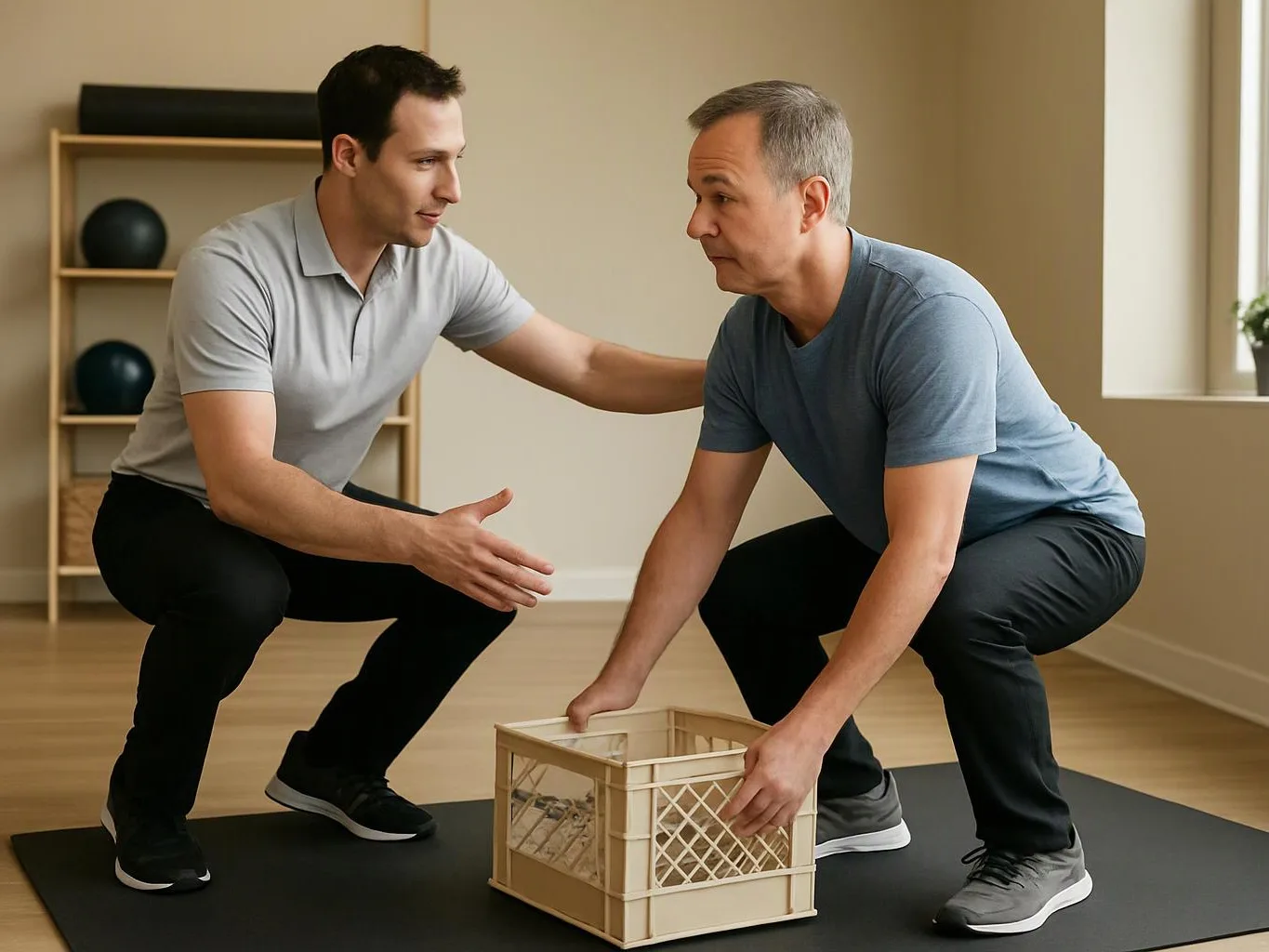
Postural correction focuses on how your body holds and moves during daily tasks. It may fit patients with back pain, neck pain, headaches, shoulder pain, or strain linked to repeated movement.

This page centers on the assessment behind care. Patients can discuss gait analysis, posture screening, movement testing, shoulder alignment, and pelvic alignment before treatment begins. The goal is to decide which findings matter most for the care plan.

Postural correction isn't the right answer for every symptom. Sudden severe pain, major weakness, loss of balance, or other urgent symptoms need prompt medical attention. Our team can discuss whether chiropractic care fits your situation.

  • Share where discomfort starts and which movements make it worse.
  • Bring relevant health history and details about past injuries.
  • Ask which alignment findings will guide the treatment plan.
  • Discuss corrective exercises and maintenance guidance before starting care.
A man talks to a pregnant woman in a calm room with a small table, a glass of water, and a lamp

Service Overview

Postural correction is a care process that checks alignment and movement patterns, then guides treatment for better comfort and mobility.

  • Postural correction differs from a single spinal adjustment because it reviews how several body areas work together during movement.
  • Advanced Injury Care Clinic provides postural correction for patients in Oak Hill and surrounding communities.

What Posture Care Includes for Your Visit

Advanced Injury Care Clinic provides comprehensive Postural Correction in Oak Hill. Here's what you get:

  • We complete a health history and exam to understand your symptoms and movement concerns.
  • We use posture screening and movement testing to review how your body moves.
  • We check shoulder alignment and pelvic alignment when those areas relate to your concerns.
  • We provide spinal adjustments when they fit your assessment and care plan.
  • We may add soft-tissue techniques, therapeutic modalities, or corrective exercises.
  • We explain practical guidance that can support comfort during daily activities.

What Better Posture Support Can Change

A focused assessment helps connect your symptoms with specific movement patterns.

Corrective exercises may support improved mobility between visits.

Soft-tissue techniques may help improve comfort around strained muscle areas.

A personalized care plan gives you clear guidance at each step.

Regular maintenance may help you keep working on movement habits after active care.

Process

How We Assess and Treat Posture Concerns

1

Review your health history

We discuss your symptoms, past injuries, daily activities, and treatment goals during the new patient intake.

2

Check posture and movement

Posture screening and movement testing help us review spinal motion, shoulder alignment, pelvic alignment, and walking patterns.

3

Explain the findings

We describe the findings in plain language and discuss whether spinal adjustments, soft-tissue work, or exercises fit.

4

Build your care plan

We create a personalized treatment plan with practical guidance for comfort, mobility, and daily activity.

5

Review progress

We use follow-up discussions and progress checks to decide whether the plan needs adjustment.

A client scenario this service addresses

A patient who sits, stands, or drives for long periods may notice recurring neck or back discomfort. We review movement habits, alignment, and symptom patterns before recommending care.

What Patients Get From This Approach

Assessment before treatment

Patients receive a health history and exam before we choose treatment. That step helps us match care to the actual concern.

Care shaped around movement

Movement testing can show how posture, shoulder alignment, and pelvic alignment relate to daily discomfort.

A clear fit check

Postural correction may not fit sudden severe symptoms or conditions that need urgent medical care. We discuss the next step when chiropractic treatment isn't the right match.

Assessment Types Used for Posture Concerns

Each assessment answers a different question about alignment, movement, or daily function.

AssessmentWhat it reviewsWhy it matters
Posture screeningHow the body is positioned at restIt identifies areas for closer review
Movement testingHow joints and the spine moveIt connects motion limits with symptoms
Shoulder alignmentThe position and movement of the shouldersIt adds detail when upper-body strain is present
Pelvic alignmentThe position and movement of the pelvisIt adds detail when lower-back or walking concerns are present

The Advanced Injury Care Clinic Standard

  • Individualized Care
  • Thorough Assessments
  • Clear Communication
  • Comfortable Techniques

Questions About Posture Assessment and Care

What assessments are used for postural correction?

Gait analysis, posture screening, movement testing, and alignment checks guide postural correction.

  • Health history identifies relevant injuries and symptoms.
  • Movement testing reviews spinal and joint motion.
  • Shoulder and pelvic alignment checks add detail.

The findings help our team shape a personalized treatment plan.

What does the team look at first during posture care?

The first assessment reviews your health history, symptoms, daily activities, and movement concerns. Our team then watches posture and checks basic movement. Patients should mention past injuries, recurring pain, and tasks that worsen symptoms. That information helps connect the exam findings with your daily needs.

What should be checked before posture care is scheduled?

Your symptoms and health history should be checked before postural correction is scheduled. Sudden severe pain, major weakness, loss of balance, or other warning signs may require medical assessment first. Bring relevant records and describe your symptoms clearly. Our team can then discuss whether chiropractic care is a suitable next step.

How does the first visit guide the treatment plan?

The first visit guides treatment by linking your symptoms with exam findings and movement patterns. We review your history, perform an examination, and explain the report of findings. X-rays are considered only when clinically indicated. Patients then discuss adjustments, exercises, soft-tissue therapy, and practical guidance.

Which treatment methods may support posture work?

Spinal adjustments, corrective exercises, and soft-tissue therapy may support posture work. The selected method depends on your symptoms and exam findings. Our team may also use therapeutic modalities when they fit the care plan. Individual response differs, so progress discussions help guide later care.

When should someone ask about posture maintenance?

Posture maintenance becomes useful when symptoms improve but movement habits still create strain. A wellness maintenance plan may include practical guidance, exercise review, and progress checks. Patients can ask about maintenance after the active care plan is discussed. The right approach depends on symptoms, goals, and response to treatment.
Contact

Discuss Postural Correction in Oak Hill

Contact Advanced Injury Care Clinic to discuss your posture concerns in Oak Hill. During the first days after reaching out, you can share your symptoms, arrange a consultation, and review possible assessment steps without pressure to choose treatment.

A woman writes on a clipboard while talking to a seated man in a bright studio with ballet bars

The health and wellness information on this website is for general informational purposes only and is not medical advice. It does not create a provider-patient relationship. Always consult a qualified licensed provider in Brentwood, Tennessee, United States about your specific condition before making care decisions. Individual results vary.

(615) 265-0412