Skip to content

Spinal Decompression Therapy in Nashville, Tennessee

Treatment limitations shape each spinal decompression therapy plan in Nashville. We review your symptoms, health history, and treatment goals before care begins.

Upfront, Transparent PricingServing 18 CommunitiesMon-Fri: 9 am–7 pm, Sat: 9 am–2 pm, Sun: ClosedFast Scheduling

Quick Summary: Spinal Decompression Care in Nashville, Tennessee

Spinal decompression therapy in Nashville is provided by Advanced Injury Care Clinic for patients with back pain, neck pain, sciatica, and related musculoskeletal concerns. Care includes an evaluation, treatment planning, and guidance for patients throughout Williamson County and nearby Nashville-area communities.

  • What we do: Advanced Injury Care Clinic provides spinal decompression therapy for Nashville patients with back pain, neck pain, sciatica, and related concerns.
  • What is included: Comprehensive evaluations, spinal decompression, spinal adjustments, corrective exercises, soft-tissue techniques, and therapeutic modalities.
  • What you get: The patient receives a treatment decision and care plan matched to symptoms, health history, and recovery goals.

Why do symptoms change after spinal decompression therapy?

Symptom changes can follow treatment as the body responds to spinal movement and reduced pressure. New, severe, or worsening symptoms need prompt medical attention. We review changes during follow-up care and adjust the plan when the clinical findings call for it.
Spinal Decompression Therapy and Treatment Limits in Nashville

Spinal decompression therapy is a focused option for patients whose back or neck symptoms need more than general self-care. We assess the health history, symptoms, movement, and clinical findings before deciding whether decompression belongs in the care plan.

Patients should also understand the limits. Spinal decompression isn't right for every condition, and it doesn't replace medical care for serious warning signs. Treatment discomfort, muscle soreness, or symptom changes should be reported so we can review the response and guide the next step.

  • Bring a clear record of symptoms, past injuries, and current health concerns.
  • Tell us about pain that travels into an arm or leg, numbness, weakness, or recent trauma.
  • Ask how spinal decompression fits with adjustments, corrective exercises, and soft-tissue therapy.
  • Report new or worsening symptoms before continuing treatment.
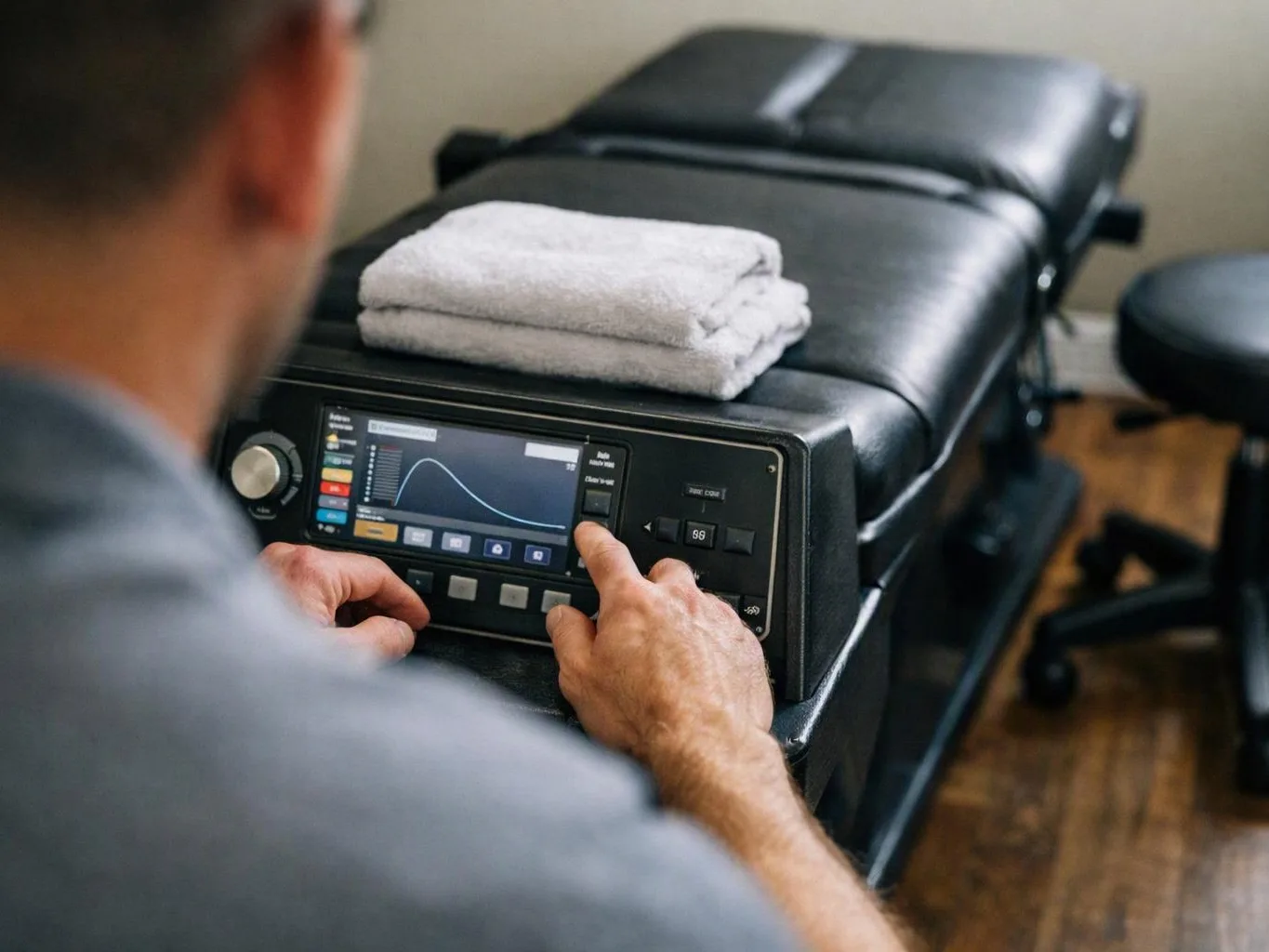
A man adjusts controls on a black massage table with folded white towels in a treatment room

Service Overview

Spinal decompression therapy is a non-surgical treatment approach that uses controlled spinal movement to address certain back and neck concerns.

  • Spinal decompression differs from a spinal adjustment because it uses a separate decompression table and traction-based movement instead of a brief manual adjustment.
  • We provide spinal decompression therapy in Nashville for patients from Brentwood, Williamson County, and nearby Nashville-area communities.
Process

How We Plan and Deliver Spinal Decompression Care

1

Review symptoms and health history

We begin with a new patient intake that covers current symptoms, past injuries, health history, and your main treatment goals.

2

Complete the clinical assessment

Our team checks movement and related findings, then considers whether spinal decompression is suitable for your condition.

3

Explain the treatment plan

We discuss the role of the spinal decompression table and explain any added care, such as corrective exercises or soft-tissue therapy.

4

Review your response to care

Patients tell us about discomfort, muscle soreness, and symptom changes so we can guide follow-up care.

What Patients Get From This Treatment Approach

A suitability check before treatment

We review your health history and symptoms before placing decompression in your plan. This service is the wrong choice when your findings point to a condition that needs another form of medical care.

A plan built around your symptoms

Patients receive guidance that connects spinal decompression with findings from the exam. The plan may also include adjustments, corrective exercises, soft-tissue therapy, or therapeutic modalities.

Follow-up attention to symptom changes

We ask how your body responds after care. Muscle soreness or a change in symptoms gives us information to review before the next step.

What Spinal Decompression Care Includes

Advanced Injury Care Clinic provides comprehensive Spinal Decompression Therapy in Nashville. Here's what you get:

  • We complete a new patient intake and review your health history.
  • We assess symptoms, movement, and factors that may affect treatment suitability.
  • We explain spinal decompression and how it differs from spinal adjustments.
  • We create a personalized treatment plan based on your findings and goals.
  • We may combine decompression with corrective exercises, soft-tissue techniques, or therapeutic modalities.
  • We review symptom changes during follow-up care and update the plan when needed.

What Patients Gain From Spinal Decompression Care

A focused assessment helps you understand whether decompression fits your symptoms.

Controlled spinal movement may help improve comfort and mobility for suitable patients.

A personalized plan connects decompression with exercises and other care when appropriate.

Clear guidance helps you recognize treatment discomfort, muscle soreness, and symptom changes.

Care supports a measured return to daily activities as your response develops.

Decompression and Adjustment Care Compared

This table compares two treatment methods that may be considered during a chiropractic assessment.

Treatment methodMain approachWhat the assessment decides
Spinal decompressionControlled traction-based movement on a spinal decompression tableWhether decompression fits the symptoms and health history
Spinal adjustmentManual technique directed at joint movementWhether an adjustment belongs in the personalized care plan

The Advanced Injury Care Clinic Standard

  • Individualized Care
  • Thorough Assessments
  • Clear Communication
  • Comfortable Techniques

Questions About Spinal Decompression Care

What are common concerns with spinal decompression therapy?

Treatment limitations are the main concern because spinal decompression doesn't fit every condition. We review your health history, symptoms, movement, and warning signs before care. Patients should report treatment discomfort, muscle soreness, new weakness, numbness, or worsening pain so our team can reassess the plan.

How does a spinal decompression visit move from the first call to the last step?

The visit moves from intake and assessment to treatment planning and follow-up review.

  1. We discuss symptoms and health history.
  2. We assess movement and treatment suitability.
  3. We explain the care plan.
  4. We review symptom changes after care.

Patients receive guidance at each step.

Which material changes how long spinal decompression therapy takes?

The treatment plan, not a building material, determines how much care a patient needs. We consider symptoms, health history, examination findings, and response to treatment. Patients can ask what each planned visit addresses, and we explain the next step without promising a fixed treatment schedule.

How can a customer tell whether spinal decompression therapy fits the condition?

A clinical assessment determines whether spinal decompression fits the condition. We review back pain, neck pain, sciatica, movement limits, prior injuries, and relevant health concerns. Patients should share medical records when available, especially after an automobile accident or workplace incident.

What is the difference between decompression and a regular adjustment?

Spinal decompression uses controlled traction-based movement, while a spinal adjustment uses a manual technique to influence joint motion. We explain which approach fits the assessment and whether both belong in one personalized care plan. The choice depends on clinical findings, symptoms, and patient goals.

When should muscle soreness after treatment be reported?

Muscle soreness should be reported when it is new, worsening, severe, or paired with weakness or numbness. We need those details to review your response and decide whether the care plan needs adjustment. Patients should also report symptom changes that affect walking, lifting, sleep, or daily activities.

Who provides spinal decompression therapy for patients in Nashville?

Advanced Injury Care Clinic provides spinal decompression therapy for patients in Nashville, Brentwood, Williamson County, and nearby Nashville-area communities. We begin with an evaluation and health history, then discuss whether decompression fits the patient's symptoms. Care may include exercises or other chiropractic treatments when appropriate.
Contact

Discuss Spinal Decompression Therapy in Nashville

Are back pain, neck pain, or sciatica raising questions about spinal decompression therapy? Contact Advanced Injury Care Clinic to discuss your symptoms, request a Free Consultation, and review your care options.

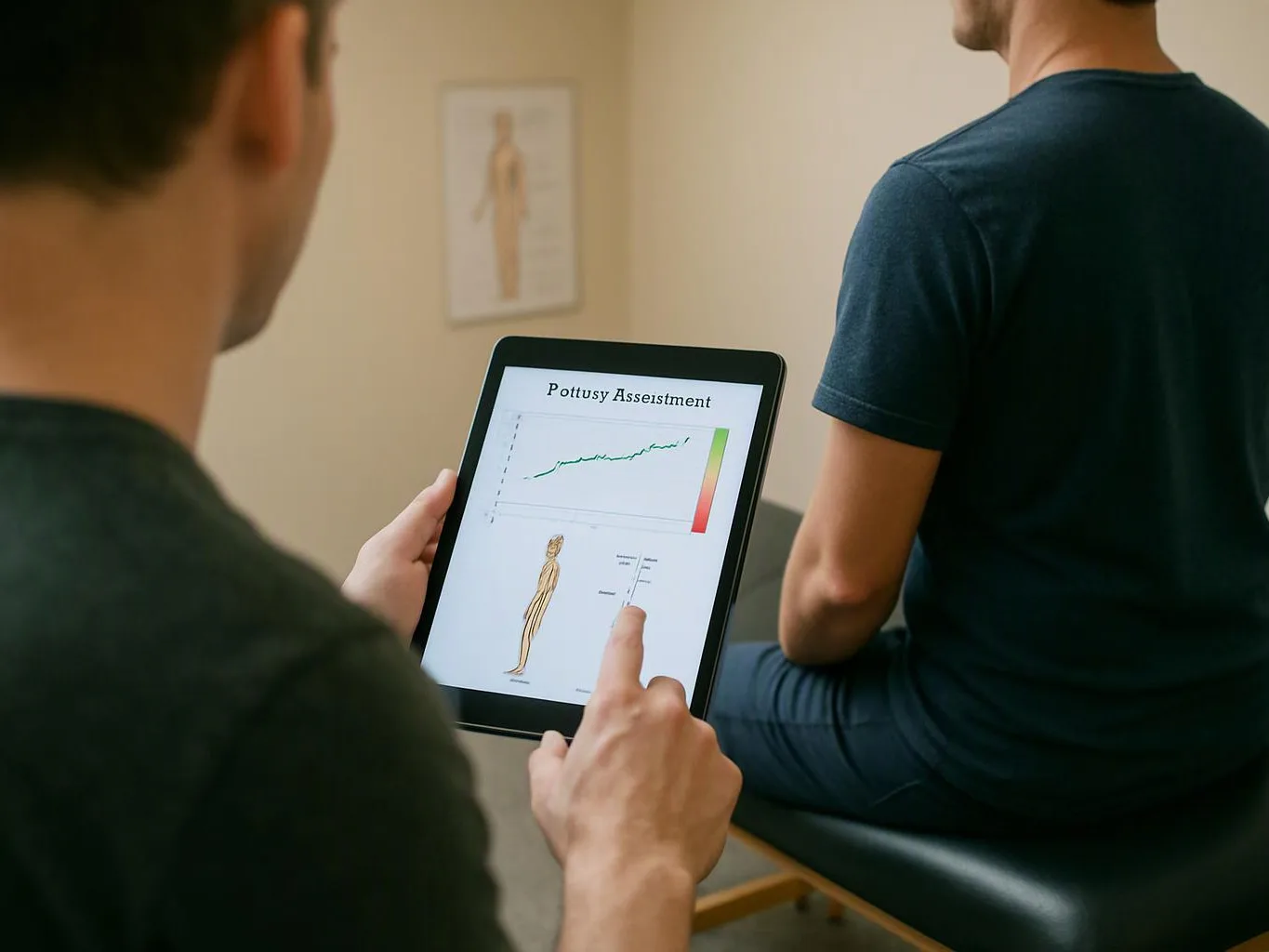
A person holds a tablet showing an assessment chart while another person sits on a treatment table in a clinic room

ZIP Codes We Serve in Nashville, Tennessee

39 ZIP codes — show all
372013720237203372043720537206372073720837209372103721137212372133721437215372163721737218372193722037221372223722437227372283722937230372323723437235372363723837240372413724237243372443724637250

Spinal Decompression Therapy in Other Areas

The health and wellness information on this website is for general informational purposes only and is not medical advice. It does not create a provider-patient relationship. Always consult a qualified licensed provider in Brentwood, Tennessee, United States about your specific condition before making care decisions. Individual results vary.

(615) 265-0412