Glossary

What is Adjustment?

Adjustment is a precise, controlled force applied by a chiropractor to a specific joint in the spine or other body part to improve mobility, reduce pain. And restore proper function. Adjustments are typically quick and may produce a popping sound caused by gas releasing from the joint. They are a core technique in chiropractic care for addressing misalignments and promoting overall health.

Reviewed by ChiropractorBrentwood.linkSources reviewed: American Chiropractic Association, National Center for Complementary and Integrative Health (NCCIH)

Quick Facts About Adjustment

Category

Chiropractic technique

Used for

Pain relief, mobility improvement, injury recovery

Common confusion

Often mistaken for massage or general cracking of joints

Also called

Chiropractic Adjustment, Spinal Manipulation

Often discussed with

Car Accident Injury Treatment, Neck Pain Treatment

Key Takeaways About Adjustment

Understanding Adjustment

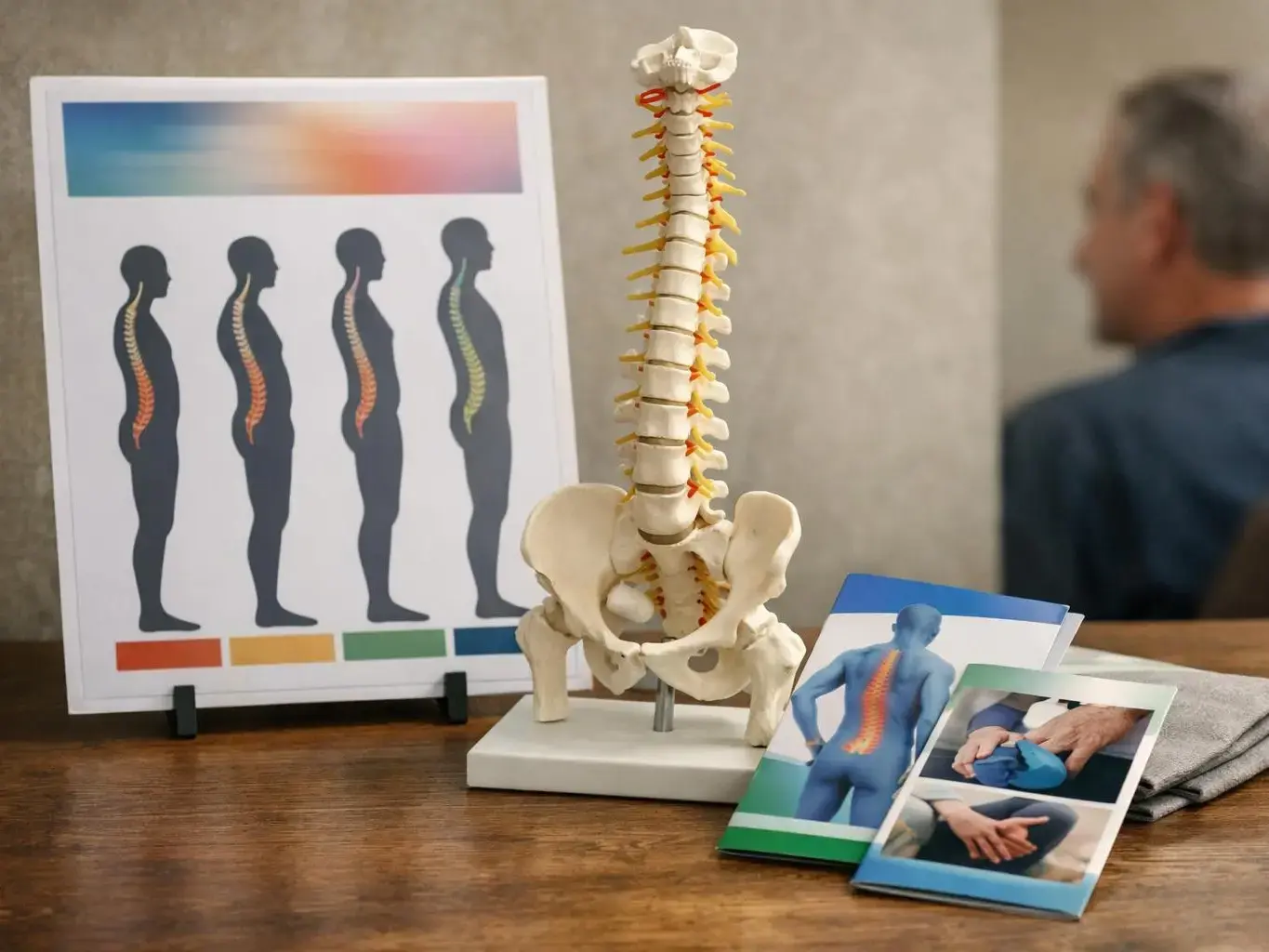
Adjustment in Chiropractor: Adjustment is a precise, controlled force applied by a chiropractor to a—visual guide

An adjustment is a hands-on treatment. A licensed chiropractor does it. It's also called a chiropractic adjustment.

Related glossary terms: Chiropractic Adjustment, Chiropractic Manipulation, Chiropractic Subluxation.

It fixes misalignments in the spine. It can fix other joints too. These are sometimes called subluxations (joint problems).

Misalignments can cause pain. They can make you stiff. They can limit how you move.

They do this by pressing on nerves. They press on muscles and tissues too. Adjustments help fix this.

They restore normal joint function. They help your body heal naturally.

How Adjustment Works?

During an adjustment, the chiropractor uses their hands. They may use a small tool. They apply a quick, gentle force.

This force is carefully controlled. It won't hurt you. It's custom for your size, age. And condition.

Many people feel relief right away. Some may feel mild soreness. This goes away in a day.

Adjustments are safe for most people. This includes kids and older adults. A trained pro must do them.

The spine and nerves affect your health. A misaligned joint can cause problems. It can restrict movement.

It can irritate nearby nerves. This may cause pain. It can cause muscle tension too.

It can even cause problems in other body parts. An adjustment helps fix this. It realigns the joint.

This reduces nerve pressure. Your body can move more freely. You might hear a popping sound.

This is just gas bubbles in the joint. It's like cracking your knuckles. It's normal and safe.

Chiropractors use different ways to adjust. They pick what's best for you. Some use their hands to apply force.

This is called a manual thrust. Others use a small tool. It gives precise pressure.

Some techniques use gentle stretching. Others use low-force moves. These work for sensitive patients.

They work for those with health conditions too. The chiropractor picks the best way. They look at your history and exam.

Why Adjustment Matters?

How Adjustment applies to Chiropractor services in Brentwood, United States—practical illustration

Adjustments help manage pain. They improve life for many people. They don't just hide pain like pills do.

They fix the real problem. They restore proper joint function. This can give long-term relief.

It can reduce the need for surgery. It can cut other invasive treatments too. Adjustments help heal injuries.

These can be from car accidents. They can be from sports. They can be from doing the same motion over and over.

Adjustments help you heal faster. They reduce swelling too.

Adjustments do more than stop pain. They help your whole body. A straight spine helps your nerves work better.

This may help you sleep. It may help your digestion. It may boost your immune system.

Many patients feel more energy. They feel less stress too. Regular care helps keep your spine flexible.

It reduces wear and tear on joints. This prevents future problems.

When Adjustment Matters Most?

Adjustments help with back pain. They help with neck pain too. They can ease headaches.

They can fix stiff joints. They help heal injuries from car accidents. They help with sports injuries too.

They help with work injuries. These can be from lifting heavy things. People with arthritis may find relief.

Those with sciatica (nerve pain) may feel better. Adjustments help keep you moving. They reduce pain flare-ups.

Even people without pain can benefit. Adjustments prevent future problems. They support overall health.

Some people need extra care. This includes those with severe osteoporosis (weak bones). It includes those with spinal cord problems.

It includes those who had recent surgery. The chiropractor checks your history. They do an exam too.

They decide if adjustments are safe. In some cases, they may suggest other treatments. They may send you to another doctor.

Adjustments work best with other therapies. These include exercise and stretching. They include lifestyle changes too.

These help you get long-term results. Your chiropractor can guide you. They'll help you stay healthy.


How to Evaluate Adjustment?

Related Concepts Compared

Adjustment vs. Chiropractic Manipulation

Chiropractic manipulation is a broader term that includes any hands-on technique to improve joint function. While an adjustment refers specifically to the precise, controlled force applied to a joint.

Adjustment vs. Massage Therapy

Massage therapy focuses on relaxing muscles and improving circulation. While an adjustment targets joint alignment and nerve function.

Expert Note

Adjustments are not one-size-fits-all. A skilled chiropractor will customize the force, technique. And frequency based on the patient’s unique anatomy, pain level. And health goals to achieve the best outcomes safely.

Common Mistakes or Myths About Adjustment

  • Assuming adjustments are only for back pain—many joints can benefit, including shoulders, knees. And wrists.
  • Thinking the popping sound is necessary for an adjustment to work—some techniques are gentle and quiet.
  • Believing adjustments are unsafe—when performed by a licensed chiropractor, they are generally low-risk.
  • Expecting instant, permanent results—most people need a series of adjustments for lasting benefits.

Adjustment in Practice: A Real-World Example

After a car accident, a patient visits a chiropractor for neck pain and stiffness. The chiropractor performs an adjustment to realign the cervical spine, reducing pressure on the nerves. Within a few sessions, the patient experiences less pain and improved range of motion, allowing them to return to daily activities without relying on pain medication.

Sources & Further Reading on Adjustment

Related Services

Related Terms

Chiropractic Adjustment

Chiropractic Adjustment is a hands-on procedure where a licensed chiropractor applies controlled force to a specific joint in the spine or other body part. The goal is to improve spinal motion, reduce nerve irritation. And restore proper function. Adjustments are often used to relieve pain, improve mobility.

Chiropractic Manipulation

Chiropractic Manipulation is a hands-on treatment where a licensed chiropractor applies controlled force to a joint in the spine or other body part to improve motion, reduce pain. And restore function. The procedure often produces a popping sound caused by gas releasing from the joint, known as cavitation. It focuses on correcting misalignments, called subluxations, without surgery or medication.

Chiropractic Subluxation

Chiropractic Subluxation is a partial dislocation or misalignment of a spinal joint that disrupts nerve function, potentially causing pain, reduced mobility. Or other health issues. Chiropractors identify and correct subluxations to restore proper alignment and support the body’s natural healing processes.

Chiropractic Activator

Chiropractic Activator is a handheld, spring-loaded instrument used by chiropractors to deliver a quick, low-force impulse to specific joints in the spine or extremities. This tool aims to restore proper motion and alignment without manual twisting or cracking, making it a gentle alternative to traditional hands-on adjustments.

Thompson Drop Technique

Thompson Drop Technique is a chiropractic adjustment method that uses a specialized table with segmented drop pieces to deliver gentle, precise spinal corrections. The technique involves applying a quick thrust to a misaligned joint while the table section beneath the patient drops slightly, enhancing the adjustment's effectiveness and comfort.

ChiropractorBrentwood.link

Have Questions About Adjustment?

Contact ChiropractorBrentwood.link for practical guidance on Adjustment and related chiropractor work in Brentwood.

+1 615-777-0624