Understanding Thompson Drop Technique
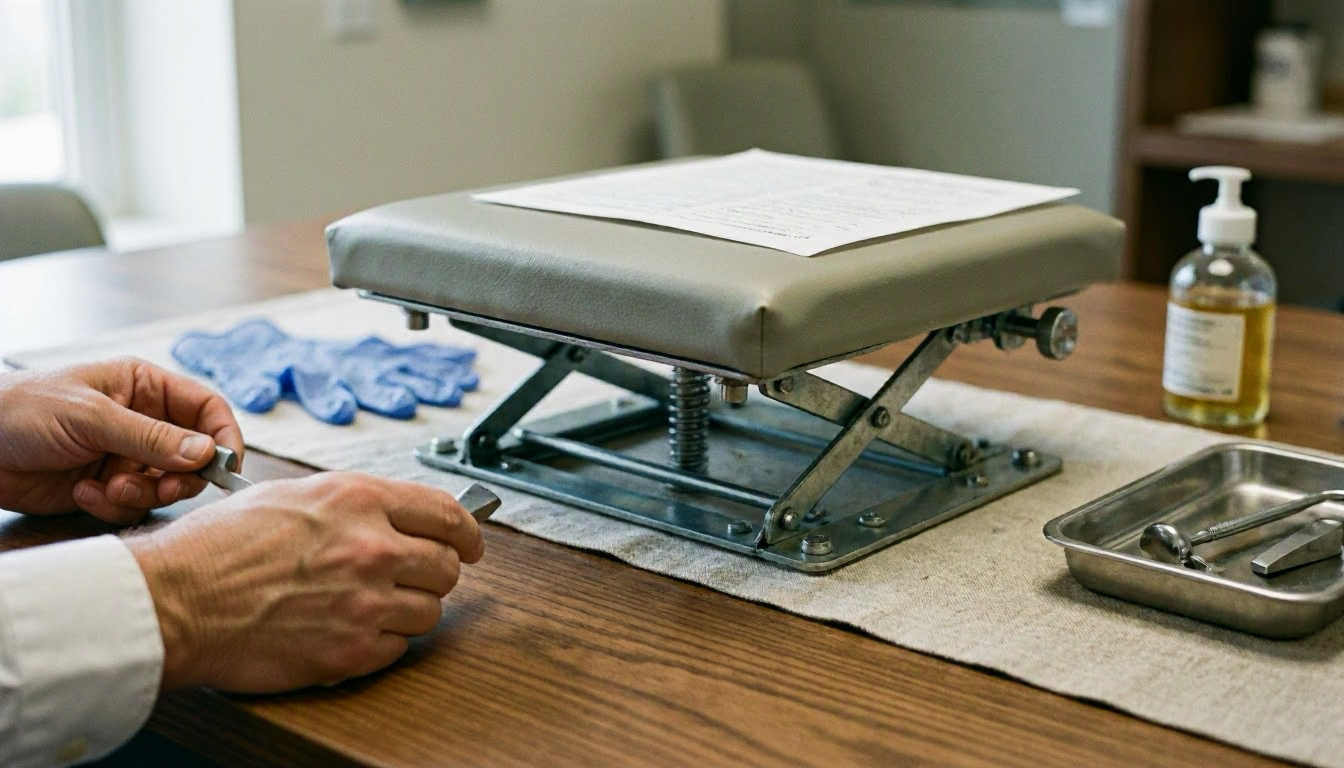
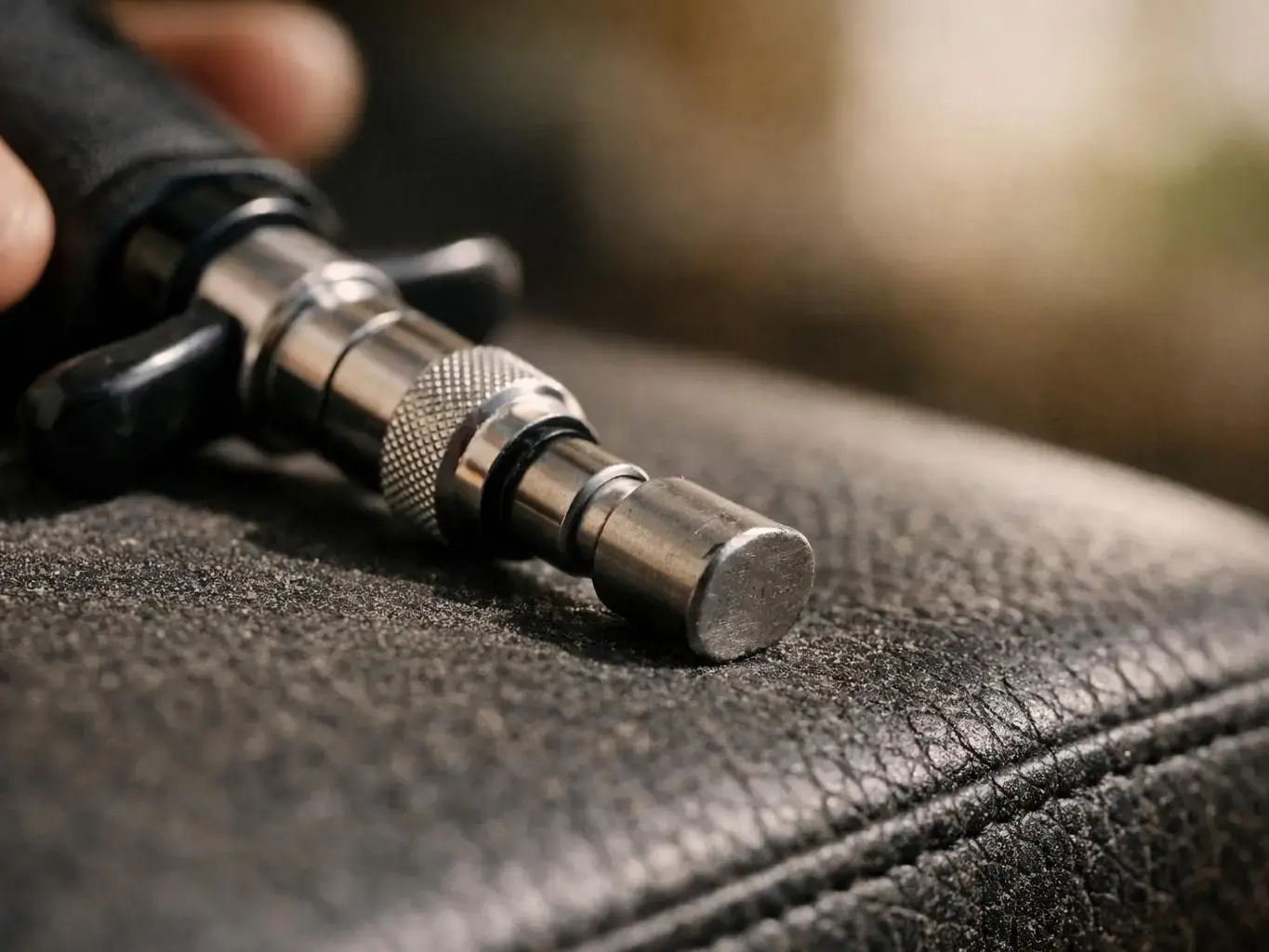
The Thompson Drop Technique is a chiropractic method designed to correct spinal misalignments using a unique approach. Unlike traditional manual adjustments, this technique relies on a specialized table with sections that can drop a short distance during the adjustment. The drop mechanism helps reduce the force needed to realign the spine, making the process gentler for patients while still achieving effective results. This method is particularly useful for individuals who may be sensitive to more forceful adjustments or who prefer a lower-impact approach.
Related glossary terms: Chiropractic Adjustment, Flexion Distraction, Chiropractic Activator.
The technique was developed by Dr. J. Clay Thompson in the 1950s. Dr. Thompson sought to create a method that combined precision with patient comfort, leading to the invention of the drop table. The table’s design allows chiropractors to target specific areas of the spine with controlled, quick thrusts. While the dropping action helps to amplify the adjustment without requiring excessive force. This innovation has made the Thompson Drop Technique a popular choice in chiropractic care, especially for patients with conditions like chronic back pain, neck stiffness. Or joint dysfunction.
How Thompson Drop Technique Works?
The Thompson Drop Technique involves a step-by-step process that begins with a thorough assessment of the patient’s spine. The chiropractor first identifies areas of misalignment or restricted movement, often using palpation or diagnostic tools. Once the target area is determined, the patient lies on the drop table, which is divided into sections that can be raised slightly before the adjustment. The chiropractor applies a quick, controlled thrust to the misaligned joint. And the corresponding table section drops a fraction of an inch, assisting the adjustment and reducing the amount of force needed.
The dropping action of the table is key to the technique’s effectiveness. When the table section drops, it creates a momentary separation in the joint, allowing the spine to move more freely into proper alignment. This process is gentle and often feels less intense than traditional manual adjustments, which can involve more direct pressure. The technique is commonly used on the lumbar spine, thoracic spine. And cervical spine, as well as the sacroiliac joints and extremities. Patients typically experience minimal discomfort during the adjustment. And many report immediate relief from tension or pain.
Why Thompson Drop Technique Matters?

The Thompson Drop Technique matters because it offers a balance between effectiveness and patient comfort. Many patients seek chiropractic care to alleviate pain, improve mobility. Or address chronic conditions like sciatica or headaches. But some may hesitate to pursue treatment due to concerns about discomfort or fear of forceful adjustments. The Thompson Drop Technique addresses these concerns by providing a gentler alternative that still delivers results. This makes chiropractic care more accessible to a broader range of patients, including those who are elderly, have acute injuries. Or are sensitive to manual manipulation.
And the technique’s precision allows chiropractors to target specific areas of the spine without affecting surrounding joints. This is particularly beneficial for patients with localized issues, such as a herniated disc or sacroiliac joint dysfunction. By using the drop table, chiropractors can apply adjustments with greater accuracy, reducing the risk of unnecessary strain on other parts of the body. This precision also makes the technique a valuable tool for follow-up care, as it can be used to maintain alignment and prevent recurrence of misalignments.
When Thompson Drop Technique Matters Most?
The Thompson Drop Technique is particularly useful in situations where patients require a gentler approach to chiropractic care. For example, individuals recovering from injuries, such as whiplash or sports-related strains, may benefit from the technique’s low-force adjustments. Similarly, patients with conditions like osteoporosis or arthritis, which can make traditional adjustments risky, often find the Thompson Drop Technique to be a safer alternative. The technique is also commonly used for pediatric patients or individuals with high sensitivity to manual manipulation.
Another scenario where the Thompson Drop Technique matters is during the initial stages of chiropractic treatment. Patients who are new to chiropractic care may feel apprehensive about manual adjustments. And the drop table’s gentle approach can help build trust and comfort. Over time, as the patient’s spine becomes more aligned and their muscles adapt, the chiropractor may incorporate other techniques as needed. The Thompson Drop Technique can also be combined with other therapies, such as soft tissue work or decompression, to boost overall treatment outcomes.