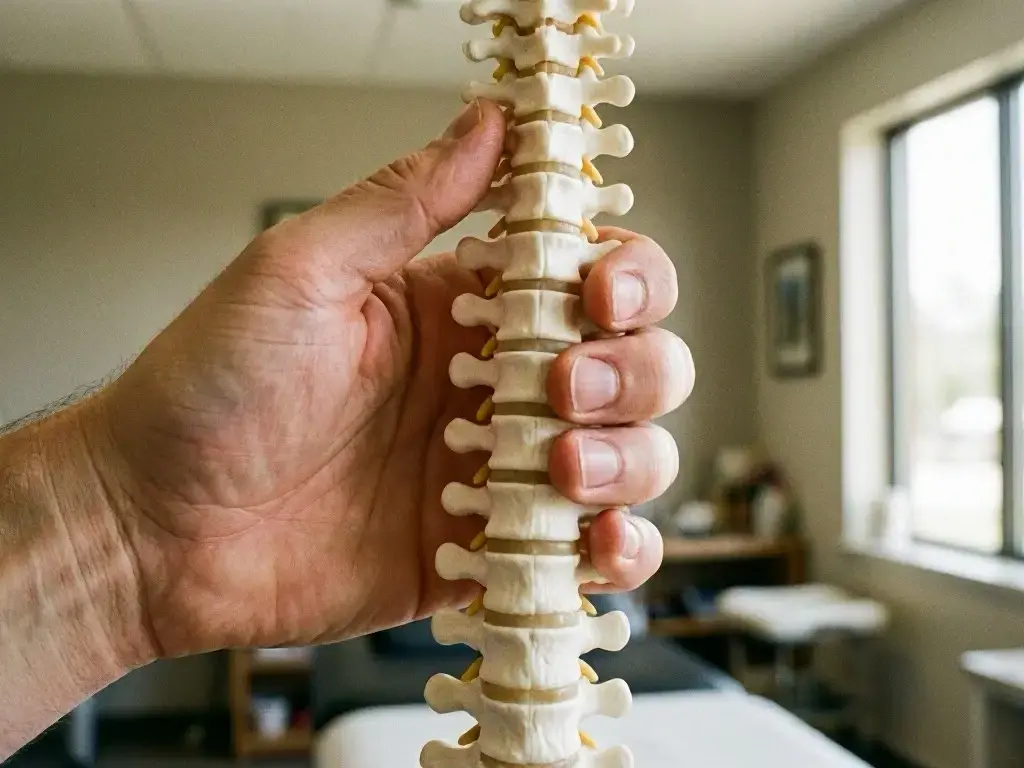
Understanding Atlas Orthogonal

Atlas Orthogonal is a chiropractic method designed to address misalignments of the atlas vertebra, which is the first cervical vertebra (C1) located at the top of the spine. The atlas plays a critical role in supporting the skull and facilitating movement of the head. Misalignments in this area can lead to a variety of health issues, including chronic neck pain, headaches. And even disruptions in nervous system function. Unlike traditional chiropractic adjustments that may involve manual force, Atlas Orthogonal uses a specialized instrument to deliver a precise, low-force correction. This approach is gentle and non-invasive, making it suitable for patients who may be sensitive to manual manipulation or those seeking a more targeted solution.
Related glossary terms: Chiropractic Adjustment, Chiropractic Activator, Chiropractic Subluxation.
The technique is based on the principle that even minor misalignments of the atlas can have widespread effects on the body. Because the atlas surrounds the brainstem, misalignments may interfere with the transmission of nerve signals between the brain and the rest of the body. By restoring proper alignment, Atlas Orthogonal aims to alleviate pressure on the nervous system, improve posture. And boost overall health. The method is often used to address conditions such as migraines, vertigo. And chronic pain. Though it's not limited to these issues.
How Atlas Orthogonal Works?
Atlas Orthogonal adjustments begin with a thorough assessment of the patient's spine, including X-rays or digital imaging to identify the exact position and angle of the atlas vertebra. This imaging helps the chiropractor determine the precise direction and force needed for the adjustment. The adjustment itself is performed using a specialized instrument called an Atlas Orthogonal percussion adjustor. This tool delivers a controlled, gentle impulse to the atlas vertebra, correcting its position without the need for twisting, cracking. Or manual force. The impulse is so precise that patients often report feeling little to no discomfort during the procedure.
The goal of the adjustment is to restore the atlas to its optimal orthogonal (or perpendicular) position relative to the skull and the rest of the spine. When the atlas is properly aligned, it reduces stress on the surrounding muscles, ligaments. And nerves, allowing the body to function more efficiently. Patients may experience immediate relief from symptoms. Though some may require multiple sessions to achieve lasting results. The technique is often combined with other chiropractic care or therapies to support overall spinal health.
A common issue is Chiropractors who perform Atlas Orthogonal adjustments must undergo specialized training and certification. This training ensures they understand the biomechanics of the atlas vertebra, the proper use of the adjustment instrument. And how to interpret imaging results accurately. The technique is considered safe for most patients, including children and the elderly. Though individual results may vary based on the severity of the misalignment and the patient's overall health.
Why Atlas Orthogonal Matters?

Atlas Orthogonal matters because misalignments of the atlas vertebra can have far-reaching effects on the body. Since the atlas surrounds the brainstem, even slight misalignments may disrupt nerve communication, leading to chronic pain, headaches. Or other neurological symptoms. By correcting these misalignments, Atlas Orthogonal can help alleviate these issues and improve the body's ability to heal itself. Many patients report not only relief from pain but also improvements in posture, mobility. And overall well-being after undergoing Atlas Orthogonal adjustments.
Another reason Atlas Orthogonal is significant is its gentle approach. Traditional chiropractic adjustments often involve manual manipulation, which can be uncomfortable or intimidating for some patients. Atlas Orthogonal eliminates the need for forceful adjustments, making it a more comfortable option for individuals who are sensitive to manual techniques or have conditions that make traditional adjustments risky. This gentleness also makes the technique accessible to a broader range of patients, including those with osteoporosis, arthritis. Or other conditions that may contraindicate manual manipulation.
When Atlas Orthogonal Matters Most?
Atlas Orthogonal is particularly important for individuals experiencing chronic neck pain, headaches. Or migraines that have not responded to other treatments. It is also beneficial for patients with conditions linked to nervous system dysfunction, such as vertigo, tinnitus. Or chronic fatigue. Because the atlas vertebra influences the alignment of the entire spine, Atlas Orthogonal can be helpful for those with postural issues or spinal misalignments that contribute to back pain or discomfort in other areas of the body.
This technique is also valuable for patients who have had negative experiences with traditional chiropractic adjustments or are hesitant to try manual manipulation due to fear of pain or injury. Since Atlas Orthogonal is non-invasive and gentle, it provides an alternative for those seeking chiropractic care without the risks associated with forceful adjustments. And athletes or individuals recovering from injuries may benefit from Atlas Orthogonal as part of their rehabilitation process, as it can help restore proper spinal alignment and improve nervous system function.
In Brentwood, TN, Atlas Orthogonal is a relevant option for chiropractic patients seeking precise, gentle care for spinal misalignments. Chiropractors in the area who are trained in this technique can provide targeted adjustments to address issues like neck pain, headaches. And nervous system dysfunction, helping patients achieve better health and mobility.