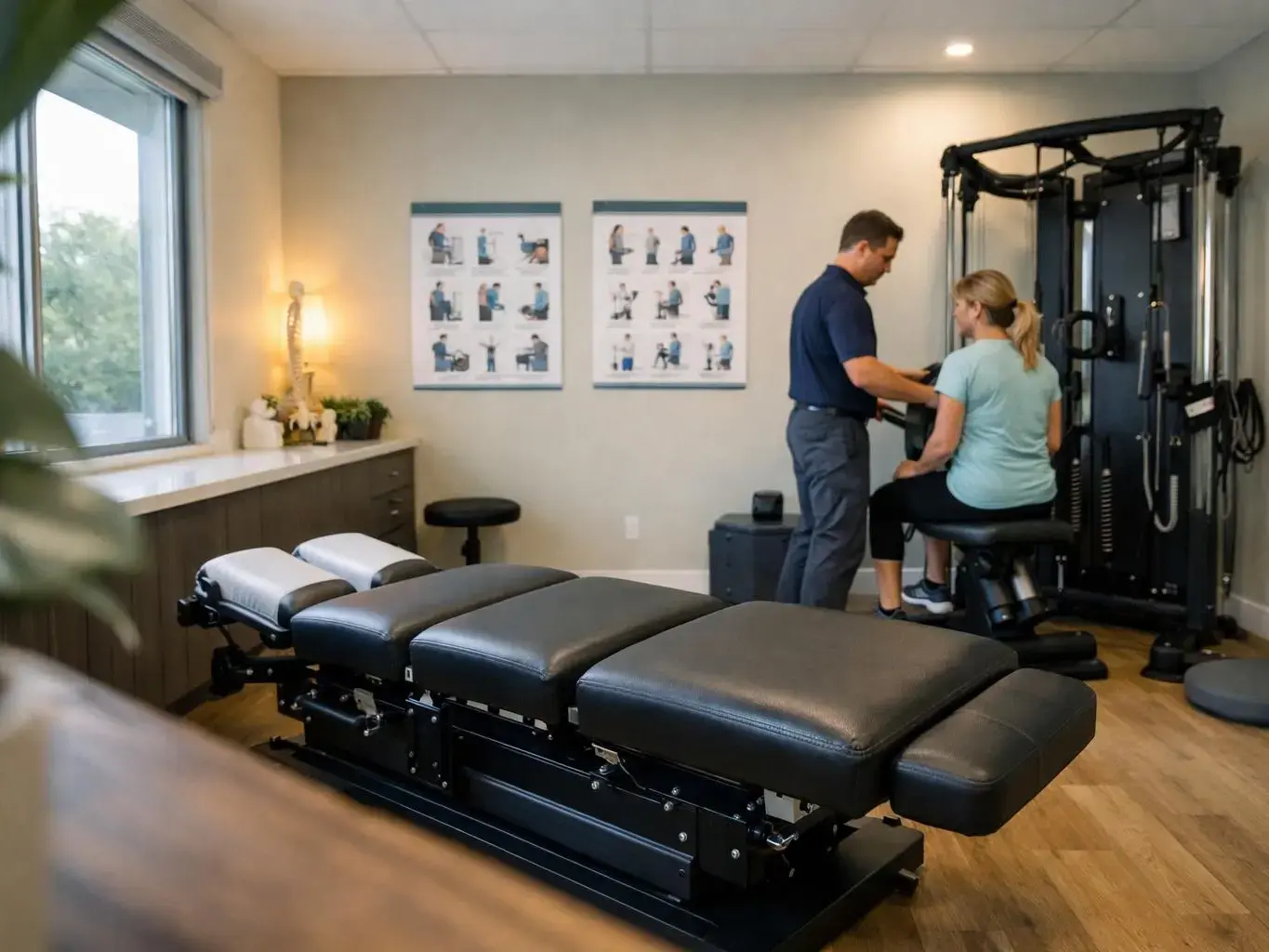
Understanding Chiropractic Care

Chiropractic Care is a branch of health care that specializes in the diagnosis, treatment. And prevention of disorders affecting the musculoskeletal system, especially the spine. The central idea behind chiropractic philosophy is that proper alignment of the body’s musculoskeletal structure, particularly the spine, enables the body to heal itself without surgery or medication. Chiropractors use a variety of techniques. But the most well-known is spinal manipulation, also called a chiropractic adjustment. This involves applying controlled force to joints that have become restricted in their movement due to tissue injury or stress.
Related glossary terms: Chiropractic Adjustment, Chiropractic Subluxation, Doctor of Chiropractic.
Chiropractic Care is often sought by people experiencing back pain, neck pain, headaches. Or joint problems in the arms or legs. But its benefits extend beyond pain relief. Many patients report improved mobility, better posture. And enhanced overall well-being after receiving chiropractic treatment. Because chiropractic care avoids the use of drugs or invasive procedures, it's considered a safe and natural approach to health for many individuals. Chiropractors are licensed health care providers who complete extensive education and training, including a Doctor of Chiropractic (DC) degree and passing national board exams.
While chiropractic care is widely recognized, it is not a substitute for all types of medical treatment. Chiropractors often work alongside other health care professionals, such as primary care doctors, physical therapists. And orthopedic specialists, to provide full care. This collaborative approach ensures that patients receive the most appropriate treatment for their specific needs.
How Chiropractic Care Works?
Chiropractic Care works by restoring proper movement and function to joints, particularly in the spine, which can become restricted due to injury, poor posture. Or repetitive stress. When joints are misaligned or not moving correctly, they can cause pain, inflammation. And even affect the nerves that travel through the spine. Chiropractors use their hands or specialized tools to apply a quick, controlled force to the affected joint, which helps restore its normal range of motion. This process, known as a chiropractic adjustment, often produces a popping or cracking sound, which is simply the release of gas bubbles from the joint fluid.
In addition to spinal adjustments, chiropractors may use other therapies to support healing and reduce pain. These can include soft tissue techniques like massage or stretching, exercises to improve strength and flexibility. And advice on posture, ergonomics. And lifestyle changes. Some chiropractors also incorporate modalities like ultrasound, electrical stimulation. Or cold laser therapy to boost treatment outcomes. The specific techniques used depend on the patient’s condition, age. And overall health.
Chiropractic treatment plans are typically personalized to address the unique needs of each patient. For example, someone with chronic back pain may require a series of adjustments along with targeted exercises. While a person recovering from a car accident might benefit from a combination of spinal manipulation and soft tissue therapy. The goal is not only to relieve symptoms but also to address the underlying cause of the problem to prevent future issues.
Why Chiropractic Care Matters?

Chiropractic Care matters because it offers a non-invasive, drug-free approach to managing pain and improving physical function. For many people, it provides an alternative to medications, which can have side effects. Or surgery, which carries risks and requires lengthy recovery times. By focusing on the spine and nervous system, chiropractic care aims to boost the body’s natural ability to heal and maintain balance. This can lead to long-term improvements in mobility, comfort. And quality of life, particularly for those suffering from chronic pain or injuries.
Another reason chiropractic care is important is its role in preventive health. Regular chiropractic visits can help identify and address minor issues before they become more serious problems. For example, poor posture or repetitive strain from daily activities can lead to misalignments in the spine over time. By correcting these issues early, chiropractic care can help prevent pain, stiffness. And other complications that might otherwise require more intensive treatment. And chiropractic care can complement other health care practices, such as physical therapy or primary care, to provide a well-rounded approach to wellness.
When Chiropractic Care Matters Most?
Chiropractic Care matters most in situations where pain, limited mobility. Or injury is affecting daily life. Common scenarios include recovering from a car accident, sports injury. Or work-related strain, where spinal misalignments or soft tissue damage can cause persistent discomfort. For example, whiplash from a car accident often leads to neck pain, headaches. And stiffness, which chiropractic adjustments can help alleviate. Similarly, people with jobs that involve heavy lifting, repetitive motions. Or prolonged sitting may develop back or joint pain that chiropractic care can address.
Chiropractic Care is also valuable for individuals seeking to manage chronic conditions like arthritis, sciatica. Or spinal stenosis. While it may not cure these conditions, chiropractic treatment can help reduce pain, improve joint function. And boost overall mobility. And chiropractic care can be beneficial for athletes looking to improve performance, prevent injuries. Or recover more quickly from physical strain. By maintaining proper spinal alignment and joint health, athletes may experience improved flexibility, strength. And endurance.
Finally, chiropractic care can play a role in overall wellness and preventive health. Even individuals without specific pain or injuries may benefit from periodic chiropractic visits to maintain spinal health, improve posture. And address minor issues before they become more serious. This proactive approach can help people stay active, reduce the risk of future injuries. And support long-term well-being.