Glossary

What is Sacroiliac Joint Dysfunction?

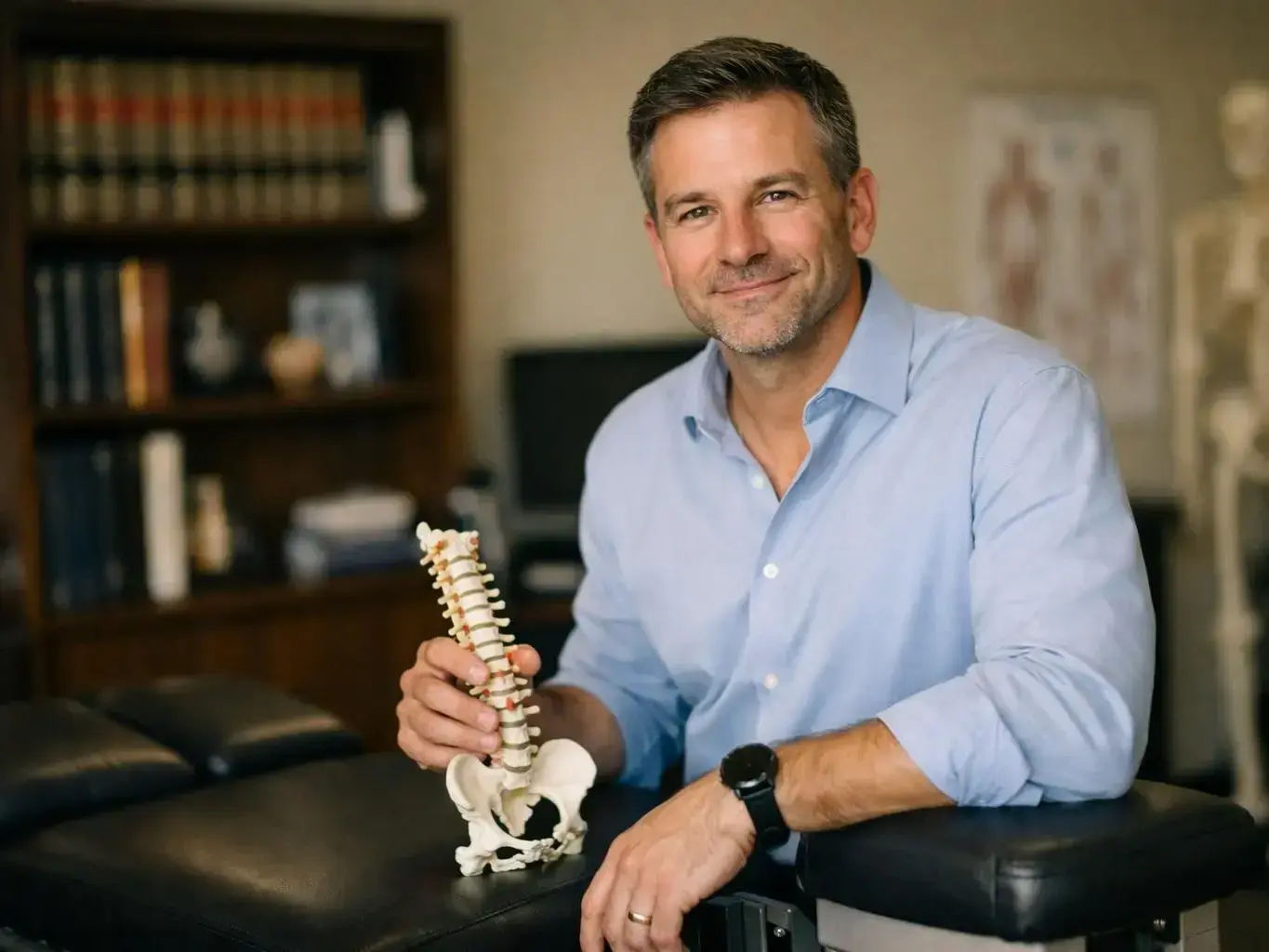
Sacroiliac Joint Dysfunction is a condition where the sacroiliac joints, located where the spine meets the pelvis, become painful due to improper movement or alignment. These joints support the upper body's weight and help absorb shock during walking or running. Dysfunction often causes lower back, hip. Or buttock pain that worsens with activity.

Reviewed by ChiropractorBrentwood.linkSources reviewed: American Chiropractic Association, National Institute of Arthritis and Musculoskeletal and Skin Diseases

Quick Facts About Sacroiliac Joint Dysfunction

Category

Musculoskeletal disorder

Used for

Diagnosing lower back or pelvic pain

Common confusion

Often mistaken for sciatica or herniated disc

Also called

SI Joint Dysfunction, Sacroiliitis

Often discussed with

Back Pain Treatment, Work Injury Treatment

Key Takeaways About Sacroiliac Joint Dysfunction

Understanding Sacroiliac Joint Dysfunction
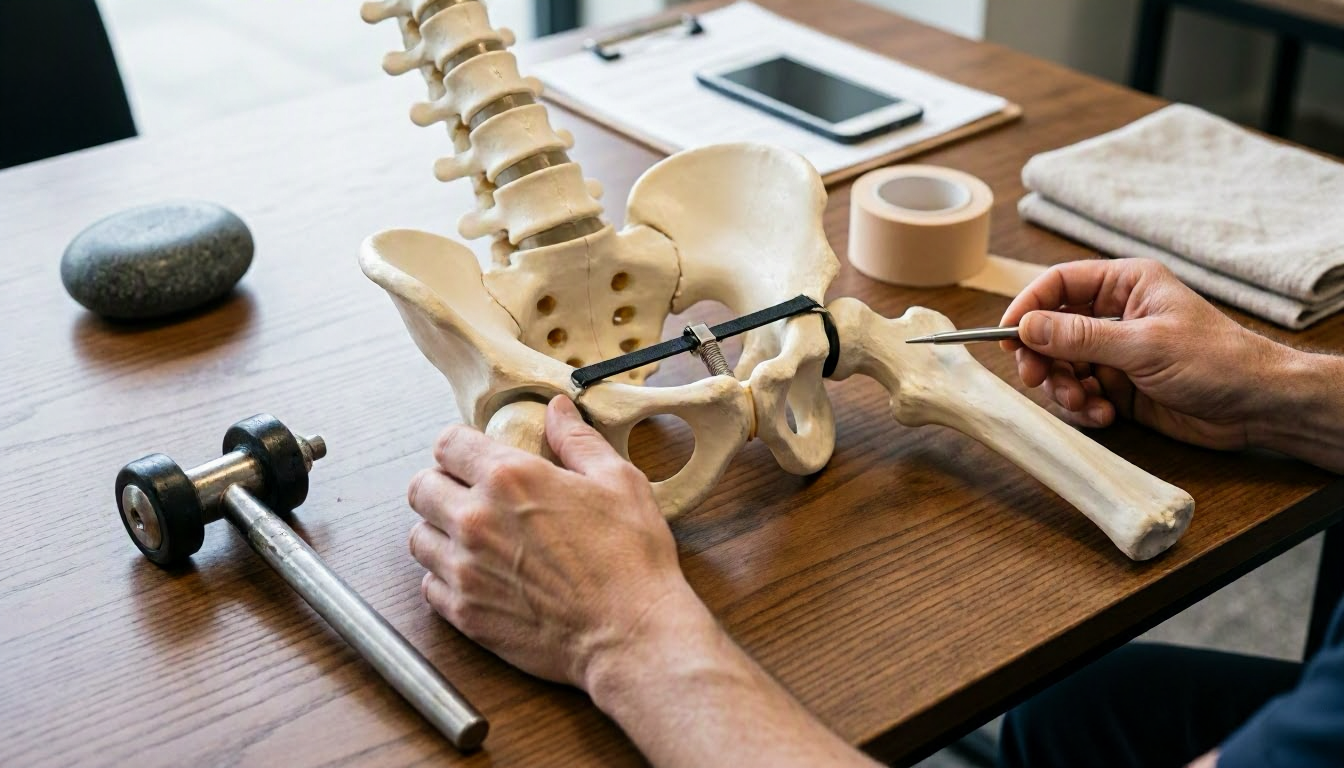
Sacroiliac Joint Dysfunction in Chiropractor: Sacroiliac Joint Dysfunction is a condition where the sacroiliac joints, loc...

The sacroiliac (SI) joints are small. They sit on each side of your lower spine. They connect the sacrum (bone at the spine's base) to the pelvis.

Related glossary terms: Chiropractic Adjustment, Herniated Disc, Ligament Injury.

These joints act like shock absorbers. They help move weight from your upper body to your legs. When they don’t work right, it causes problems.

Sacroiliac Joint Dysfunction happens when the joints move too much. It also happens when they don’t move enough. This causes swelling, stiffness. Or pain.

Many adults have this problem. But it’s often missed. That’s because the pain feels like other back issues.

How Sacroiliac Joint Dysfunction Works?

Pain from SI joint problems shows up in the lower back. It can also hurt in the buttocks or hips. Sometimes, the pain goes down the legs.

This pain isn’t like a muscle strain. It gets worse with certain moves. Climbing stairs or standing up can make it hurt more.

Rolling over in bed can also cause pain. Some people feel stiff. Others feel like their pelvis isn’t steady.

This problem can start fast. A fall or car crash can cause it. It can also come on slowly.

Too much stress, pregnancy. Or arthritis can lead to it. Over time, it can get worse.

Why Sacroiliac Joint Dysfunction Matters?
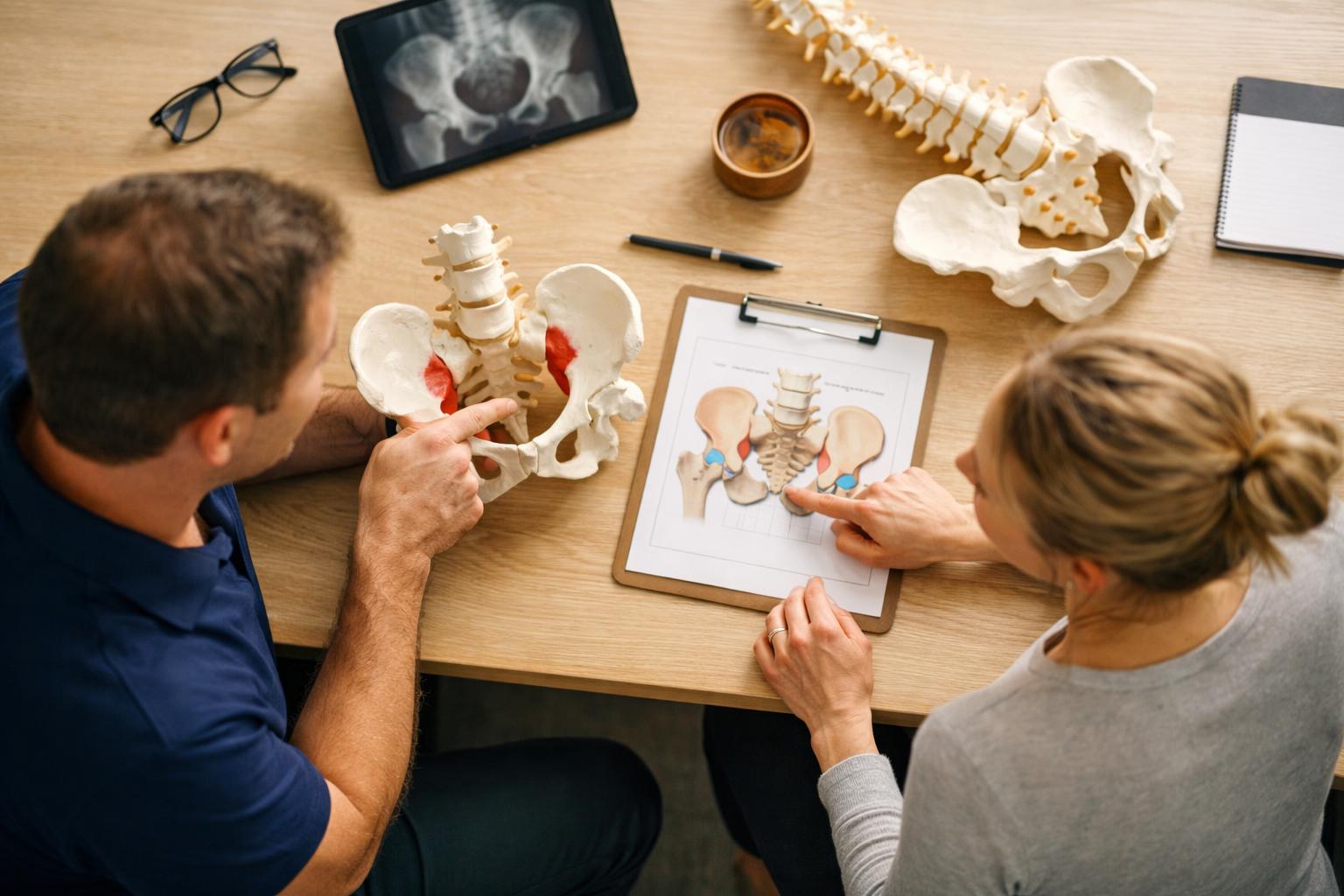
How Sacroiliac Joint Dysfunction applies to Chiropractor services in Brentwood, United States—practical illustration

SI joints need strong ligaments and muscles. These keep the joints stable. If ligaments get too loose or tight, the joints can shift.

This shift causes pain. Sitting too long can strain the ligaments. A hard landing on one leg can push the joint out of place.

Over time, the area gets swollen. This makes movement hurt more.

Chiropractors check for SI joint problems. They do physical exams and movement tests. They might use X-rays or MRIs (special pictures of your body).

During the exam, they’ll press on the joints. They’ll check if your legs are different lengths. They’ll do tests to see if they can cause the pain.

Treatment often includes adjustments. These help put the joints back in place. Stretches and exercises can also help.

Therapies like cold laser can reduce swelling. Muscle energy techniques can help too. These all work to make movement easier.

When Sacroiliac Joint Dysfunction Matters Most?

If you don’t treat SI joint problems, pain can last. It can make daily tasks hard. Walking, sitting. Or sleeping might hurt.

Your body might use other muscles too much. This can cause new problems. Hip pain or knee pain can start.

Early treatment helps a lot. It can fix the joint and stop pain. It can also stop long-term issues.

Athletes need to watch for this. Fixing it helps them stay active. It also stops more injuries.

SI joint problems can hide in lower back pain. Many think it’s a herniated disc (a slipped spinal cushion). Others think it’s just a muscle strain.

But SI joint issues cause up to 30% of long-term back pain. The right diagnosis helps. Then, you get the right treatment.

This can mean chiropractic care. It can also mean physical therapy. Sometimes, other treatments work best.

SI joint pain matters when it messes with your life. It’s a big deal if it keeps getting worse. Some things make it flare up.

Running on uneven ground can cause it. Lifting heavy things the wrong way can too. Sitting with bad posture doesn’t help.

Pregnant women get this more often. Their bodies make ligaments looser. They also carry extra weight. Their balance changes too.

People who’ve had car crashes or falls should watch for this. A hard hit can push the joints out of place. Sports injuries can do the same.

Arthritis can cause SI joint pain too. Some diseases make joints less stable. Ankylosing spondylitis (a type of arthritis) is one example.

In these cases, regular chiropractic care helps. It can manage pain. It can also make life better.

How to Evaluate Sacroiliac Joint Dysfunction?

Related Concepts Compared

Sacroiliac Joint Dysfunction vs. Sciatica

Sciatica involves nerve pain radiating down the leg due to compression of the sciatic nerve. While SI joint dysfunction causes localized pain in the lower back, buttock. Or hip without nerve symptoms.

Sacroiliac Joint Dysfunction vs. Herniated Disc

A herniated disc occurs when spinal disc material presses on nerves, causing sharp or shooting pain, whereas SI joint dysfunction involves joint misalignment and localized pain without nerve compression.

Sacroiliac Joint Dysfunction vs. Ligament Injury

Ligament injuries, like sprains, involve overstretched or torn ligaments, often causing swelling and bruising. While SI joint dysfunction is primarily about joint misalignment and pain without visible swelling.

Expert Note

SI joint dysfunction often responds well to conservative care. But persistent cases may require a multidisciplinary approach, including chiropractic adjustments, physical therapy. And targeted exercises to stabilize the pelvis.

Common Mistakes or Myths About Sacroiliac Joint Dysfunction

  • Assuming lower back pain is always caused by a herniated disc or muscle strain.
  • Ignoring SI joint pain because it feels similar to general back soreness.
  • Self-treating with rest alone, which can lead to stiffness and worsen the condition.
  • Overlooking SI joint dysfunction in pregnant women, attributing pain to normal pregnancy discomfort.

Sacroiliac Joint Dysfunction in Practice: A Real-World Example

After a minor car accident, Sarah noticed sharp pain in her lower back whenever she stood up from her desk. Her chiropractor diagnosed SI joint dysfunction after performing movement tests and recommended adjustments to realign the joint, along with stretches to improve mobility and reduce inflammation.

Related Services

Related Terms

Chiropractic Adjustment

Chiropractic Adjustment is a hands-on procedure where a licensed chiropractor applies controlled force to a specific joint in the spine or other body part. The goal is to improve spinal motion, reduce nerve irritation. And restore proper function. Adjustments are often used to relieve pain, improve mobility.

Herniated Disc

Herniated Disc is a spinal condition where the soft, gel-like center of a spinal disc pushes through a tear in the tougher outer layer. This can irritate nearby nerves, causing pain, numbness. Or weakness in the back, arms. Or legs. Herniated discs often occur in the lower back or neck and may result from aging, injury.

Ligament Injury

Ligament Injury is damage to the tough, fibrous bands of tissue that connect bones to other bones at joints. Ligament Injury occurs when these bands stretch too far or tear, often due to sudden twists, falls. Or impacts. Common sites include ankles, knees, wrists. And shoulders. Pain, swelling. And reduced joint stability are typical signs.

Chiropractic Care

Chiropractic Care is a health care profession focused on diagnosing and treating musculoskeletal disorders, particularly those related to the spine. Chiropractors use hands-on spinal manipulation and other non-surgical techniques to improve alignment, reduce pain. And support the body’s natural ability to heal. It emphasizes drug-free, holistic approaches to enhance overall wellness and mobility.

ChiropractorBrentwood.link

Have Questions About Sacroiliac Joint Dysfunction?

Contact ChiropractorBrentwood.link for practical guidance on Sacroiliac Joint Dysfunction and related chiropractor work in Brentwood.

+1 615-777-0624