Glossary

What is Workers Compensation?

Workers Compensation is a state-mandated insurance program that provides medical benefits and wage replacement to employees who suffer job-related injuries or illnesses. Workers Compensation ensures injured workers receive prompt treatment and financial support while protecting employers from lawsuits related to workplace accidents. Coverage typically includes doctor visits, hospital stays, physical therapy. And partial lost wages.

Reviewed by ChiropractorBrentwood.linkSources reviewed: U.S. Department of Labor - Workers' Compensation, Tennessee Bureau of Workers' Compensation

Quick Facts About Workers Compensation

Category

Insurance and employee benefits

Used for

Job-related injuries and illnesses

Common confusion

Not the same as disability insurance or unemployment benefits

Also called

Workers' Comp, Work Comp

Often discussed with

Work Injury Treatment, Injury Chiropractor Consultation

Key Takeaways About Workers Compensation

Understanding Workers Compensation

Workers Compensation in Chiropractor: Workers Compensation is a state-mandated insurance program that provides medical ben...

Workers Compensation is a legal and financial safety net designed to protect both employees and employers after a workplace injury or illness. When an employee gets hurt or sick because of their job, Workers Compensation steps in to cover medical costs and replace part of their lost wages. This system exists in every U.S. State. Though the specific rules and benefits vary depending on where the business operates. The main goal is to ensure injured workers get the care they need without delay while also shielding employers from costly lawsuits.

Related glossary terms: Chiropractic Care, Ligament Injury, Medical Lien.

Workers Compensation is a no-fault system, meaning employees don't have to prove their employer was negligent to receive benefits. As long as the injury or illness happened while performing job duties, coverage applies. This arrangement benefits both parties: employees receive guaranteed support. And employers avoid the uncertainty and expense of court battles. But accepting Workers Compensation benefits typically means employees give up the right to sue their employer for the injury.

How Workers Compensation Works?

The Workers Compensation process begins when an employee reports a job-related injury or illness to their employer. The employer then files a claim with their Workers Compensation insurance carrier, which reviews the details to determine eligibility. If approved, the insurance company covers medical expenses directly related to the injury, such as doctor visits, hospital stays, medications. And physical therapy. It also provides wage replacement benefits, usually calculated as a percentage of the employee’s regular pay, for the time they're unable to work.

Each state sets its own rules for how much wage replacement an employee receives, how long benefits last. And what medical treatments are covered. For example, some states cap benefits at two-thirds of the employee’s average weekly wage. While others may allow for higher percentages. Employers pay premiums to maintain Workers Compensation insurance. And these costs are based on factors like the company’s industry, payroll size. And claims history. Businesses with a history of frequent claims may face higher premiums, creating an incentive to maintain safe workplaces.

Why Workers Compensation Matters?

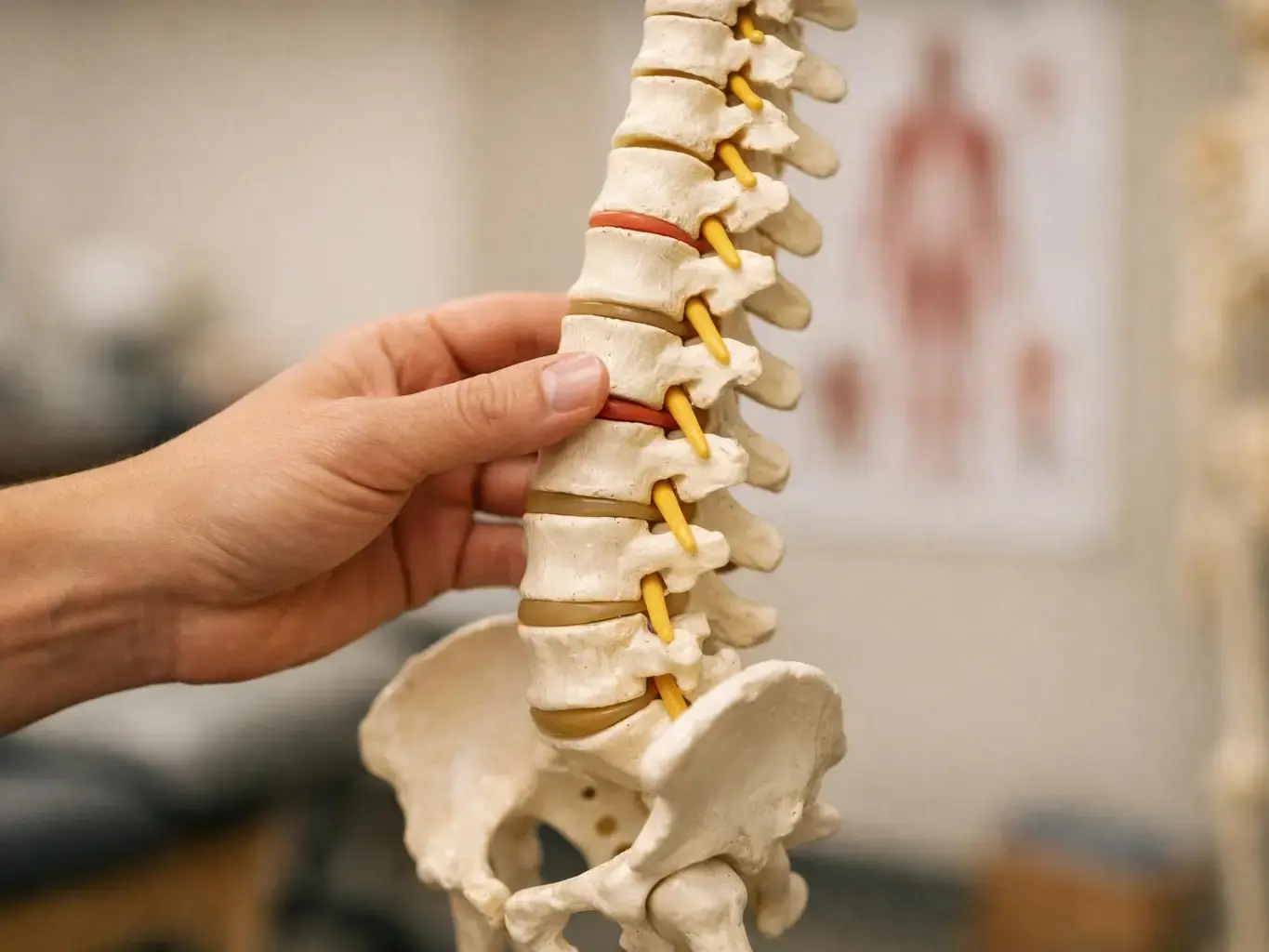
How Workers Compensation applies to Chiropractor services in Brentwood, United States—practical illustration

Workers Compensation plays a critical role in maintaining a stable workforce and protecting businesses from financial ruin. For employees, it ensures access to medical care and financial support during recovery, reducing the risk of long-term health problems or financial hardship. Without this system, injured workers might delay treatment due to cost or face prolonged legal battles to secure compensation. For employers, Workers Compensation limits liability and provides a predictable way to handle workplace injuries, allowing them to focus on running their business rather than managing lawsuits.

Beyond the immediate benefits, Workers Compensation also encourages workplace safety. Because insurance premiums are influenced by a company’s claims history, employers have a financial incentive to put in place safety training, proper equipment. And injury prevention programs. This creates a safer work environment for everyone and reduces the overall number of workplace injuries over time.

When Workers Compensation Matters Most?

Workers Compensation becomes especially important in situations involving serious injuries, long-term illnesses. Or disputes over claims. For example, if an employee suffers a back injury from lifting heavy equipment, Workers Compensation covers their medical treatment and a portion of their lost wages while they recover. Similarly, if a worker develops a chronic condition, such as carpal tunnel syndrome from repetitive tasks, the system ensures they receive ongoing care and financial support.

Many projects start with Workers Compensation also matters when an injury prevents an employee from returning to their previous job. In some cases, the system may cover vocational rehabilitation or retraining to help the employee transition to a different role. And if a claim is denied or disputed, Workers Compensation provides a legal process for appeals, ensuring employees have a way to challenge unfair decisions. For employers, understanding when and how to file claims correctly helps avoid penalties and ensures compliance with state laws.


How to Evaluate Workers Compensation?

Related Concepts Compared

Workers Compensation vs. Disability Insurance

Disability insurance covers injuries or illnesses that occur outside of work. While Workers Compensation only applies to job-related incidents.

Workers Compensation vs. Personal Injury Protection (PIP)

PIP is part of auto insurance and covers injuries from car accidents, regardless of fault. While Workers Compensation covers workplace injuries only.

Workers Compensation vs. Unemployment Benefits

Unemployment benefits provide temporary financial support for workers who lose their jobs. While Workers Compensation covers medical costs and lost wages for injured employees still employed.

Expert Note

Workers Compensation laws vary significantly by state. So it’s important to understand local requirements. Even minor injuries should be reported promptly to avoid complications with claims. And employers should document incidents thoroughly to support the process.

Common Mistakes or Myths About Workers Compensation

  • Assuming Workers Compensation covers injuries that happen outside of work.
  • Delaying the reporting of an injury, which can lead to claim denials.
  • Believing Workers Compensation replaces 100% of lost wages—most states cover only a portion.
  • Thinking employees can sue their employer if they accept Workers Compensation benefits.
  • Ignoring state-specific rules, which can result in missed benefits or legal penalties.

Workers Compensation in Practice: A Real-World Example

A warehouse worker in Brentwood, TN, strains their back while lifting a heavy box. They report the injury to their supervisor, who files a Workers Compensation claim. The insurance company approves the claim, covering the worker’s doctor visits, physical therapy. And a portion of their lost wages while they recover.

Sources & Further Reading on Workers Compensation

  • U.S. Department of Labor - Workers' Compensation
  • Tennessee Bureau of Workers' Compensation
  • National Council on Compensation Insurance (NCCI)

Related Services

Related Terms

Chiropractic Care

Chiropractic Care is a health care profession focused on diagnosing and treating musculoskeletal disorders, particularly those related to the spine. Chiropractors use hands-on spinal manipulation and other non-surgical techniques to improve alignment, reduce pain. And support the body’s natural ability to heal. It emphasizes drug-free, holistic approaches to enhance overall wellness and mobility.

Ligament Injury

Ligament Injury is damage to the tough, fibrous bands of tissue that connect bones to other bones at joints. Ligament Injury occurs when these bands stretch too far or tear, often due to sudden twists, falls. Or impacts. Common sites include ankles, knees, wrists. And shoulders. Pain, swelling. And reduced joint stability are typical signs.

Medical Lien

Medical Lien is a legal claim filed by a healthcare provider, such as a chiropractor, against a patient’s personal injury settlement or insurance payout. It ensures the provider receives payment for services rendered before the patient receives any remaining funds from the settlement or claim.

Personal Injury Protection

Personal Injury Protection is a type of car insurance coverage that pays for medical expenses, lost wages. And other costs after a vehicle accident, regardless of who caused the crash. It's often called 'no-fault' coverage because it applies to the policyholder and passengers without needing to prove fault first.

ChiropractorBrentwood.link

Have Questions About Workers Compensation?

Contact ChiropractorBrentwood.link for practical guidance on Workers Compensation and related chiropractor work in Brentwood.

+1 615-777-0624