Understanding Decompression Therapy
Decompression Therapy is a modern approach to managing spinal pain without surgery. The treatment focuses on the spine’s intervertebral discs, which act as cushions between the bones of the spine. Over time, these discs can bulge, herniate. Or degenerate due to injury, aging. Or repetitive stress. When this happens, the discs can press on nearby nerves, causing pain, numbness. Or weakness in the back, neck, arms. Or legs. Decompression Therapy aims to reverse this pressure by gently stretching the spine in a controlled way.
Related glossary terms: Chiropractic Care, Herniated Disc, Spinal Stenosis.
The goal of Decompression Therapy is to create space within the spine, allowing discs to return to their proper position. This process also encourages the flow of oxygen, water. And nutrients into the discs, which can help them heal naturally. Unlike surgery, which removes or alters spinal structures, Decompression Therapy is non-invasive and doesn't involve incisions, anesthesia. Or lengthy recovery times. It's often used as part of a broader treatment plan that may include chiropractic adjustments, physical therapy. Or exercise.
How Decompression Therapy Works?
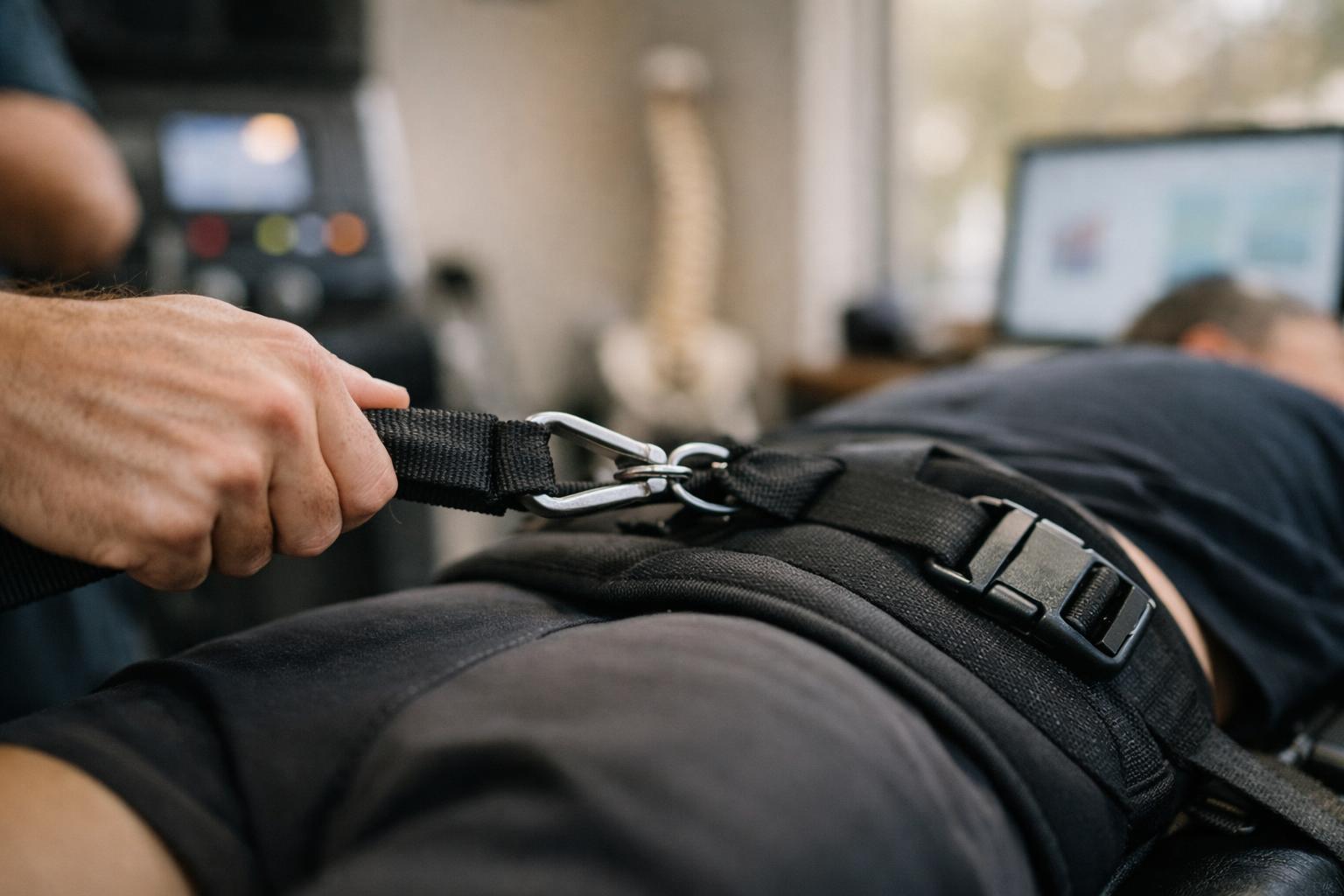
Decompression Therapy uses a specialized table or device to apply precise, computer-controlled traction to the spine. During a session, the patient lies comfortably on the table, secured with harnesses around the hips and torso. The table then moves in a slow, rhythmic pattern, gently pulling and releasing the spine. This creates a negative pressure within the discs, which can help retract herniated or bulging disc material and relieve pressure on nerves. The treatment is typically painless. And many patients find it relaxing, often reporting a mild stretching sensation.
The amount of force used in Decompression Therapy is carefully calibrated to each patient’s needs. Too much force could cause discomfort or injury. While too little may not provide relief. A chiropractor or trained therapist adjusts the settings based on the patient’s condition, body weight. And pain levels. Sessions usually last between 15 and 30 minutes. And a full treatment plan may include 15 to 30 sessions over several weeks. The therapy is often combined with other treatments, such as ice or heat therapy, electrical stimulation. Or ultrasound, to boost results.
Decompression Therapy is not a one-size-fits-all solution. It is most effective for specific conditions, such as herniated discs, degenerative disc disease, sciatica. And spinal stenosis. Patients with severe osteoporosis, spinal fractures, tumors. Or infections are typically not candidates for this treatment. A thorough evaluation, including imaging studies like X-rays or MRIs, is usually required before starting therapy to ensure it is safe and appropriate for the patient’s condition.
Why Decompression Therapy Matters?

Decompression Therapy offers a middle ground for patients seeking relief from spinal pain without resorting to surgery. Surgery can be expensive, risky. And require lengthy recovery times. While conservative treatments like medication or physical therapy may not always provide sufficient relief. Decompression Therapy fills this gap by targeting the root cause of pain—pressure on spinal discs and nerves—rather than just masking symptoms. For many patients, it can reduce or eliminate the need for pain medications, including opioids, which carry risks of dependence and side effects.
Beyond pain relief, Decompression Therapy can improve mobility and quality of life. Chronic back or neck pain can limit daily activities, making it difficult to work, exercise. Or even sleep. By reducing pressure on the spine, patients often experience less stiffness, better range of motion. And increased ability to participate in activities they enjoy. The therapy is also low-risk, with most patients experiencing only mild soreness after sessions, similar to what they might feel after a workout. This makes it a viable option for older adults or those with health conditions that make surgery risky.
When Decompression Therapy Matters Most?
Decompression Therapy is most beneficial for patients who have not found relief from conventional treatments like rest, medication. Or physical therapy. It is particularly useful for those with conditions that involve disc problems, such as herniated discs or degenerative disc disease. Patients with sciatica—pain that radiates down the leg due to nerve compression, often see significant improvement with Decompression Therapy, as the treatment can relieve the pressure causing the nerve irritation. Similarly, those with spinal stenosis, a narrowing of the spinal canal, may experience relief as the therapy creates more space within the spine.
Timing also plays a role in the effectiveness of Decompression Therapy. Patients who begin treatment soon after the onset of symptoms often respond better than those who wait months or years. But even patients with long-standing chronic pain may benefit, especially if their condition involves disc degeneration. The therapy is also a valuable option for patients recovering from injuries, such as car accidents or workplace incidents, where spinal trauma has led to disc or nerve damage. In Brentwood, TN, where many residents lead active lifestyles or work in physically demanding jobs, Decompression Therapy can help address the wear and tear on the spine that comes with daily life.
Decompression Therapy is not a quick fix. While some patients experience relief after just a few sessions, others may need a full course of treatment to see meaningful results. Consistency is key, as the therapy works gradually to promote healing and reduce pain. Patients should also follow their chiropractor’s recommendations for at-home care, such as stretching, hydration. And avoiding activities that strain the spine. When used as part of a full treatment plan, Decompression Therapy can provide lasting relief and help patients return to their normal activities with less pain and discomfort.