Glossary

What is Spinal Stenosis?

Spinal Stenosis is a narrowing of the spaces within the spine, which can put pressure on the nerves that travel through it. This condition most commonly occurs in the lower back (lumbar stenosis) and neck (cervical stenosis). Spinal Stenosis often develops slowly over time due to aging, arthritis. Or wear-and-tear on the spine, leading to pain, numbness. Or weakness in the legs, arms. Or back.

Reviewed by ChiropractorBrentwood.linkSources reviewed: Mayo Clinic, National Institute of Arthritis and Musculoskeletal and Skin Diseases

Quick Facts About Spinal Stenosis

Category

Spinal condition

Used for

Diagnosing nerve compression in the spine

Common confusion

Often mistaken for herniated discs or general arthritis

Also called

Spinal narrowing, Lumbar stenosis

Often discussed with

Back Pain Treatment, Personal Injury Chiropractic Care

Key Takeaways About Spinal Stenosis

Understanding Spinal Stenosis

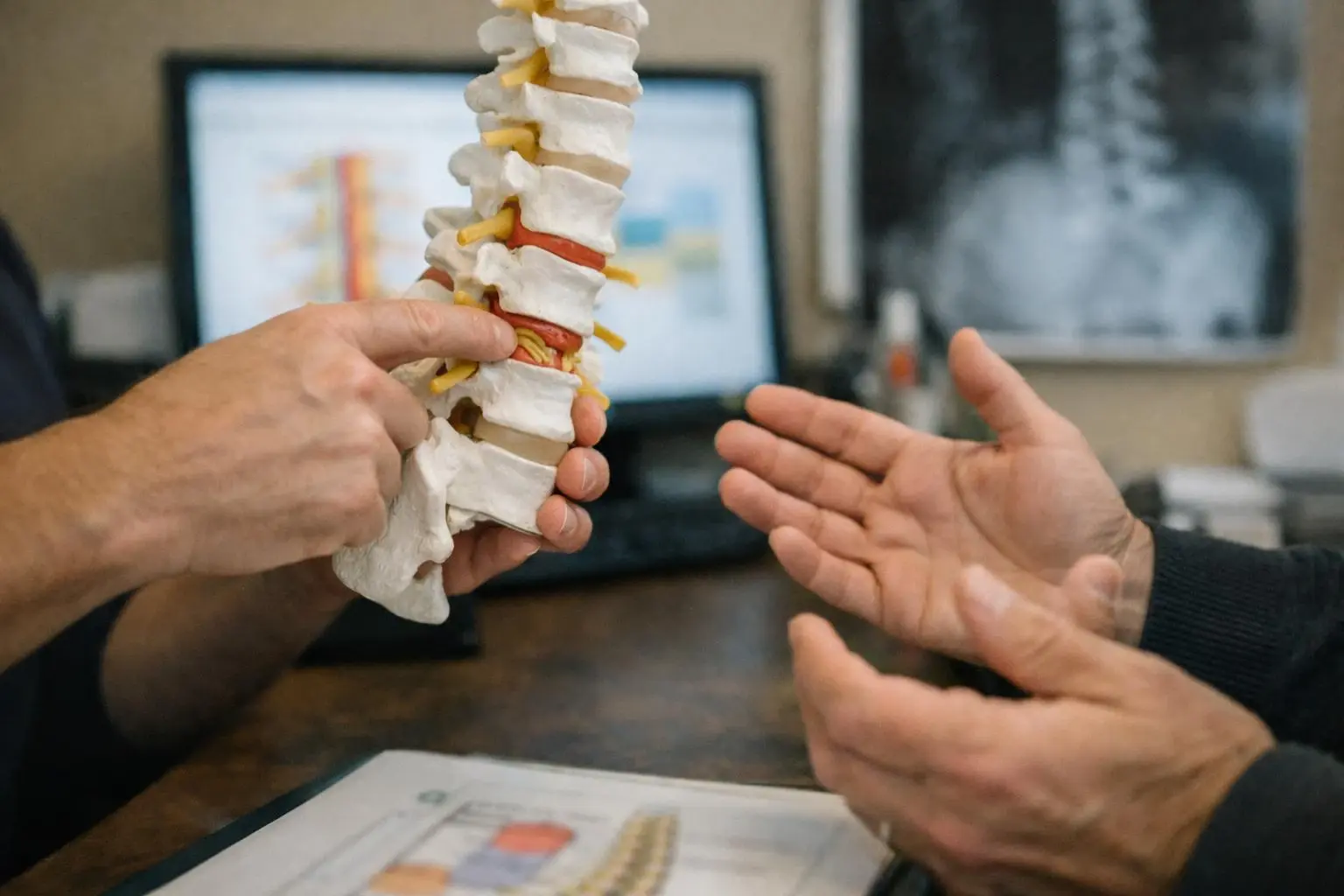
Spinal Stenosis in Chiropractor: Spinal Stenosis is a narrowing of the spaces within the spine, which—visual guide

Spinal Stenosis is a problem in the spine. The spaces inside the spine get smaller over time.

Related glossary terms: Herniated Disc, Spinal Decompression, Chiropractic Care.

This can happen anywhere in the spine. It happens most in the lower back and neck.

The spine has bones called vertebrae. These bones protect nerves and the spinal cord.

When spaces get too small, they squeeze the nerves. This can cause pain or numbness.

It can also make muscles weak. The pain is where the squeezed nerves go.

Spinal Stenosis often comes with age. The spine wears out over time.

Osteoarthritis can cause it. That's when joint cartilage wears down.

Thick ligaments, bone spurs. Or slipped discs can also cause it.

Some people don't feel anything. Others find it hard to walk or stand.

Daily tasks can hurt. They may feel pain or discomfort.

How Spinal Stenosis Works?

The spine keeps nerves safe. It also lets you move and bend.

In Spinal Stenosis, the spine's spaces get too tight. This leaves less room for nerves.

The tight space can squish nerves. This messes up signals to the brain.

You might feel pain or tingling. Weakness can happen too.

Legs, arms. Or back may hurt. Lower back stenosis can cause leg cramps.

This happens when walking or standing. Doctors call it neurogenic claudication.

Doctors check your body first. They may use X-rays, MRI. Or CT scans.

These tests show how narrow the spine is. They help find which nerves are hurt.

Sometimes doctors use an EMG. That's a test for muscle and nerve signals.

It can show if stenosis is hurting nerves.

Why Spinal Stenosis Matters?

How Spinal Stenosis applies to Chiropractor services in Brentwood, United States—practical illustration

Spinal Stenosis can make life hard. Pain or numbness can stop daily tasks.

Walking, standing. Or sitting may hurt. Some people lose their balance.

Others can't control their bladder or bowels. This needs quick doctor help.

Finding and treating it early helps. It can stop the problem from getting worse.

Spinal Stenosis often comes with age. But you can lower your risk.

Stay at a healthy weight. Keep moving and stand up straight.

Treatments depend on how bad it is. You might try therapy, medicine. Or surgery.

Surgery makes more room for nerves.

When Spinal Stenosis Matters Most?

You should see a doctor if symptoms bother you. Short walks may cause leg pain.

Standing a few minutes can hurt too much. This means it's time to get help.

Bending or sitting may feel better. These moves open up the spine a little.

Bad cases can cause big problems. Some people can't control their bladder.

Others can't control their bowels. This is called cauda equina syndrome.

It's an emergency. You need help right away.

Most people manage it with changes. They stay active and see their doctor.

Therapy and check-ups help too. These keep the problem from getting worse.

How to Evaluate Spinal Stenosis?

Related Concepts Compared

Spinal Stenosis vs. Herniated Disc

A herniated disc occurs when a disc between vertebrae ruptures, pressing on nerves. Spinal Stenosis involves narrowing of spinal spaces, often due to aging or arthritis, rather than a ruptured disc.

Spinal Stenosis vs. Sciatica

Sciatica refers to pain radiating along the sciatic nerve, often caused by a herniated disc or bone spur. Spinal Stenosis can cause sciatica-like symptoms but involves narrowing of the spinal canal itself.

Expert Note

Spinal Stenosis is often underdiagnosed because its symptoms can mimic other conditions like arthritis or muscle strain. A thorough physical exam and imaging are key to distinguishing it from similar issues and tailoring treatment effectively.

Common Mistakes or Myths About Spinal Stenosis

  • Assuming Spinal Stenosis is just a normal part of aging and ignoring symptoms.
  • Confusing Spinal Stenosis with a herniated disc or general back pain without imaging.
  • Believing surgery is the only treatment option, when many cases can be managed with non-surgical therapies.
  • Ignoring symptoms like leg weakness or bladder issues, which may indicate a serious complication.

Spinal Stenosis in Practice: A Real-World Example

A 65-year-old patient visits a chiropractor complaining of leg pain and numbness after walking for just a few minutes. The pain eases when they sit down or lean forward. Imaging reveals narrowing in the lumbar spine, confirming a diagnosis of Spinal Stenosis. Treatment includes physical therapy and lifestyle adjustments to manage symptoms.

Sources & Further Reading on Spinal Stenosis

Related Services

Related Terms

Herniated Disc

Herniated Disc is a spinal condition where the soft, gel-like center of a spinal disc pushes through a tear in the tougher outer layer. This can irritate nearby nerves, causing pain, numbness. Or weakness in the back, arms. Or legs. Herniated discs often occur in the lower back or neck and may result from aging, injury.

Spinal Decompression

Spinal Decompression is a non-surgical treatment designed to relieve pressure on the spine and spinal discs. It uses controlled traction to gently stretch the spine, creating negative pressure that may help herniated or bulging discs retract, improve nutrient flow.

Chiropractic Care

Chiropractic Care is a health care profession focused on diagnosing and treating musculoskeletal disorders, particularly those related to the spine. Chiropractors use hands-on spinal manipulation and other non-surgical techniques to improve alignment, reduce pain. And support the body’s natural ability to heal. It emphasizes drug-free, holistic approaches to enhance overall wellness and mobility.

Decompression Therapy

Decompression Therapy is a non-surgical, traction-based treatment designed to relieve pressure on spinal discs and nerves. Decompression Therapy uses controlled mechanical force to gently stretch the spine, creating negative pressure within the discs. This process helps retract herniated or bulging discs, promotes nutrient flow. And reduces pain in the back, neck. Or legs.

Sacroiliac Joint Dysfunction

Sacroiliac Joint Dysfunction is a condition where the sacroiliac joints, located where the spine meets the pelvis, become painful due to improper movement or alignment. These joints support the upper body's weight and help absorb shock during walking or running. Dysfunction often causes lower back, hip. Or buttock pain that worsens with activity.

ChiropractorBrentwood.link

Have Questions About Spinal Stenosis?

Contact ChiropractorBrentwood.link for practical guidance on Spinal Stenosis and related chiropractor work in Brentwood.

+1 615-777-0624