Glossary

What is Chronic Pain?

Chronic Pain is persistent discomfort that lasts for three months or longer, even after an injury or illness has healed. Chronic Pain can stem from conditions like arthritis, nerve damage. Or back problems. And it often interferes with daily activities, sleep. And mental health. Unlike short-term pain, Chronic Pain may not respond to typical treatments and requires ongoing management.

Reviewed by Advanced Injury Care ClinicSources reviewed: American Chronic Pain Association, National Institute of Neurological Disorders and Stroke

Quick Facts About Chronic Pain

Category

Long-term medical condition

Used for

Identifying persistent pain needing ongoing care

Common confusion

Often mistaken for temporary pain that will heal on its own

Also called

Long-term pain, Persistent pain

Often discussed with

Back Pain Treatment, Work Injury Treatment

Key Takeaways About Chronic Pain

Understanding Chronic Pain
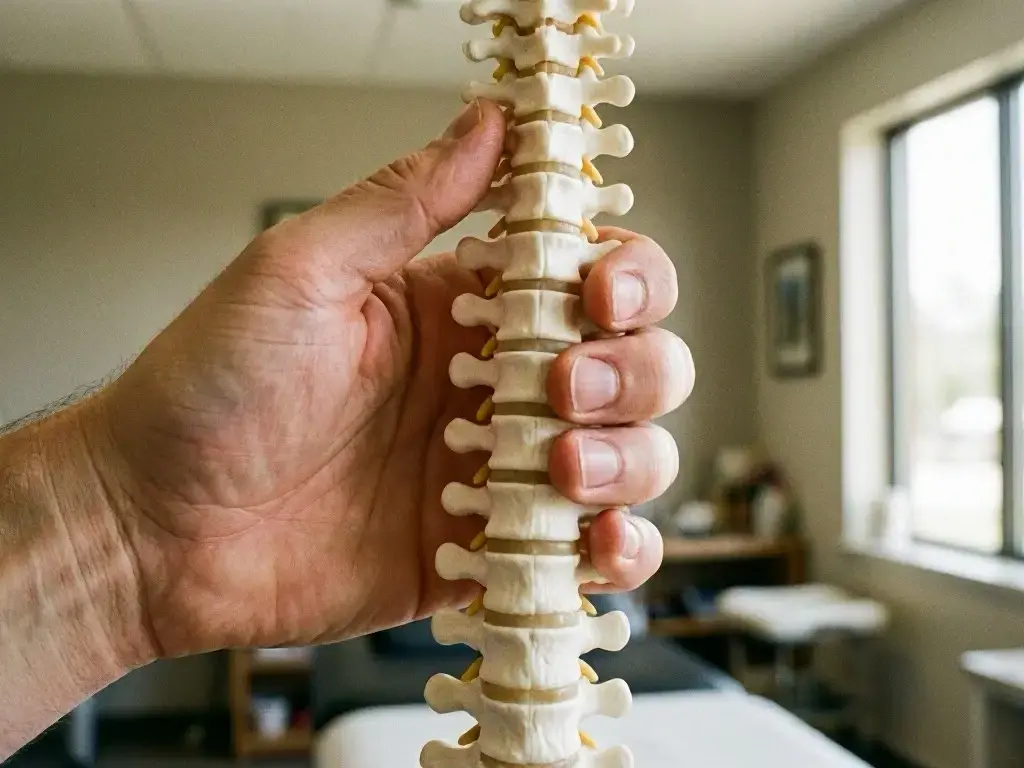
Chronic Pain in Chiropractor—Brentwood

Chronic Pain lasts for three months or more. It can start after an injury or illness. Sometimes there is no clear cause.

Related glossary terms: Acute Pain, Nerve Compression, Herniated Disc.

Acute pain warns the body of harm. Chronic Pain lasts long after healing. It can feel sharp, dull, burning. Or aching.

Pain may come and go. Or it may stay all the time. Many people feel tired or have trouble sleeping.

Mood changes can happen too. Daily tasks may become harder to do.

Millions of people have Chronic Pain. It affects both body and mind. It can cause stress, anxiety. Or sadness.

Chronic Pain lasts a long time. It needs a different plan than short-term pain. Treatment helps people feel better and do more.

This may include therapy or lifestyle changes. Doctors may also give special care.

How Chronic Pain Works?

Pain signals travel through nerves to the brain. The brain feels discomfort. In Chronic Pain, this system can work too much.

It sends pain messages even without new injury. The brain and nerves change how they work. This is called central sensitization (when nerves send too many pain signals).

This helps explain why Chronic Pain lasts. It can stay even after healing.

Doctors ask patients to rate pain from 0 to 10. They ask how pain affects daily life. They want to know about sleep and mood too.

Tests like X-rays or MRIs can show problems. But they don’t always find the cause. So treatment plans are made just for you.

They mix different ways to help body and mind.

Why Chronic Pain Matters?

Chronic Pain can make life harder. It may limit how much you move. Work, exercise. Or hobbies may be tough.

Over time, muscles can get weak. Weight gain can happen. People may feel alone.

Pain can ruin sleep. You may feel tired. Stress can feel worse too.

Without help, pain can get harder to handle. It can lead to frustration and poor health.

Good pain care keeps you active. It helps you enjoy life. You may need fewer strong medicines.

These medicines can cause side effects. They can also be risky. Early and steady care helps a lot.

You can feel better even if pain doesn’t go away.

When Chronic Pain Matters Most?

Chronic Pain matters when it hurts daily life. You may struggle at work. Sleep can be hard.

You might skip fun activities. Medicines may cause side effects. Pain can also hurt your mind.

It can cause anxiety or sadness. Special care can help. It stops things from getting worse.

Chronic Pain is a worry after injuries or illnesses. Pain should fade as you heal. If it doesn’t, something may be wrong.

Getting help early stops long-term pain. For example, back pain after a crash may need care. A chiropractor (a back doctor) or therapy can help.

This can fix the problem before it lasts too long.

How to Evaluate Chronic Pain?

Related Concepts Compared

Chronic Pain vs. Acute Pain

Acute Pain is short-term and usually signals an injury or illness. While Chronic Pain lasts for months and may not have a clear cause.

Chronic Pain vs. Neuropathic Pain

Neuropathic Pain is caused by nerve damage and often feels like burning or tingling. While Chronic Pain is a broader term that includes many types of long-lasting pain.

Expert Note

Chronic Pain is not just a symptom—it’s a complex condition that affects the nervous system. Effective management often requires a team approach, including chiropractic care, physical therapy. And lifestyle adjustments to address both physical and emotional aspects.

Common Mistakes or Myths About Chronic Pain

  • Assuming Chronic Pain will go away on its own without treatment.
  • Relying only on pain medication instead of addressing the root cause.
  • Ignoring the emotional impact of Chronic Pain, like stress or depression.
  • Waiting too long to seek help, allowing pain to worsen over time.

Chronic Pain in Practice: A Real-World Example

After a car accident, a patient in Brentwood, TN, experiences back pain that doesn’t improve after six weeks. Despite rest and medication, the pain persists for months, making it hard to sit at work or sleep through the night. A chiropractor identifies muscle tension and joint misalignment contributing to the Chronic Pain and creates a care plan to improve mobility and reduce discomfort.

Sources & Further Reading on Chronic Pain

Related Services

Related Terms

Acute Pain

Acute Pain is sudden, sharp discomfort that lasts from a few seconds up to three months. Acute Pain acts as the body’s alarm system, signaling tissue damage from injury, surgery. Or illness. Unlike ongoing pain, Acute Pain typically fades once the underlying cause heals.

Nerve Compression

Nerve Compression is a condition where a nerve is pressed or squeezed by surrounding tissues, such as bones, muscles, tendons. Or cartilage. This pressure disrupts the nerve’s normal function, causing pain, tingling, numbness. Or weakness in the affected area. Common locations include the spine, wrists.

Herniated Disc

Herniated Disc is a spinal condition where the soft, jelly-like center of a spinal disc pushes through a tear in the tougher outer layer, often pressing on nearby nerves. This can cause pain, numbness. Or weakness in the back, arms. Or legs, depending on the disc’s location. Herniated discs commonly occur in the lower back or neck due to injury, aging. Or strain.

Chiropractic Adjustment

Chiropractic Adjustment is a precise manual procedure where a licensed chiropractor applies controlled force to a specific joint in the spine or other body area. The goal is to improve alignment, reduce nerve irritation. And restore normal movement. Adjustments are often accompanied by a popping sound caused by gas releasing from the joint.

Functional Rehabilitation

Functional Rehabilitation is a goal-oriented treatment approach that helps injured individuals regain everyday movement, strength. And endurance by focusing on real-world activities rather than isolated exercises. It combines physical therapy, chiropractic care. And targeted exercises to restore function, reduce pain. And prevent future injuries after accidents, surgeries.

Advanced Injury Care Clinic

Have Questions About Chronic Pain?

Contact Advanced Injury Care Clinic for practical guidance on Chronic Pain and related chiropractor work in Brentwood.

+1 615-777-0624