Understanding National Board of Chiropractic Examiners
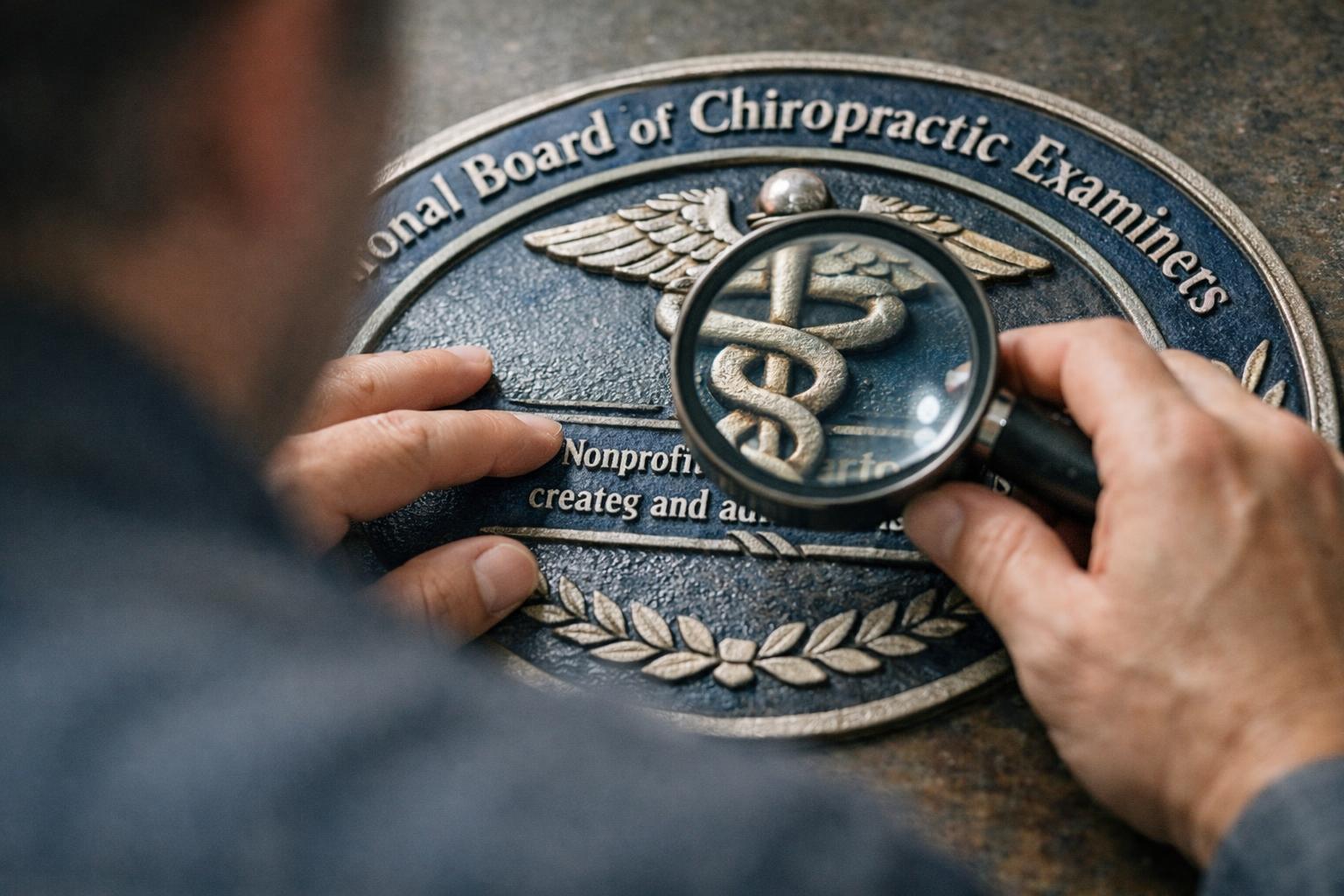
The National Board of Chiropractic Examiners (NBCE) is the organization responsible for developing and delivering standardized exams that chiropractic students and graduates must pass to become licensed chiropractors. Established in 1963, the NBCE operates as an independent, nonprofit entity separate from chiropractic schools and state licensing boards. Its mission is to ensure that all licensed chiropractors meet a consistent level of competency, which helps protect public safety and maintain professional standards across the country.
Related glossary terms: Chiropractic License, Chiropractic School, Doctor of Chiropractic.
Chiropractic licensing requirements vary by state. But most states require candidates to pass one or more NBCE exams. These exams are designed to test a candidate’s knowledge in key areas such as anatomy, physiology, diagnosis, chiropractic principles. And clinical skills. Because the NBCE exams are standardized, they provide a uniform measure of competency, regardless of which chiropractic school a candidate attended. This helps state licensing boards make fair and consistent decisions about who is qualified to practice.
How National Board of Chiropractic Examiners Works?
The NBCE develops its exams through a rigorous process involving subject-matter experts, including chiropractic educators, practitioners. And psychometricians. These experts identify the knowledge and skills that are essential for safe and effective chiropractic practice. The exams are then constructed using multiple-choice questions, practical assessments. And other formats to evaluate a candidate’s competency in these areas. The NBCE offers several exams, including Parts I, II, III. And IV, as well as specialty exams like physiotherapy and acupuncture.
Part I covers basic sciences such as anatomy, physiology. And pathology. While Part II focuses on clinical sciences like diagnosis and chiropractic techniques. Part III assesses clinical competency, including case management and patient care. Part IV is a practical exam that evaluates hands-on skills, such as spinal analysis and adjustment techniques. Candidates typically take these exams during their chiropractic education, with results sent directly to the state licensing board where they intend to practice. Some states may also require additional exams or documentation. But NBCE exams are widely accepted as the national standard.
Why National Board of Chiropractic Examiners Matters?
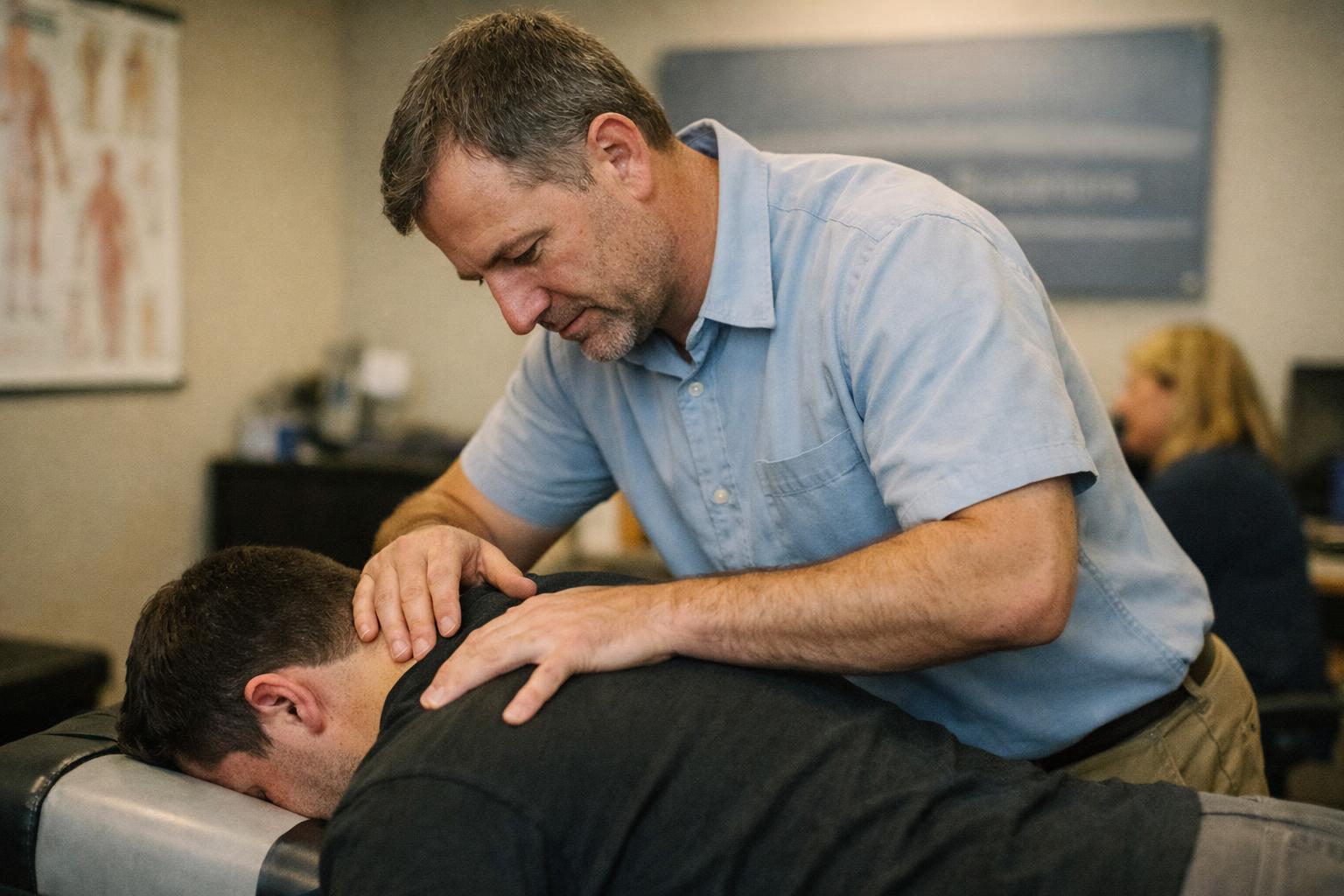
The NBCE plays a critical role in maintaining the quality and safety of chiropractic care in the United States. By setting a national standard for competency, the NBCE helps ensure that all licensed chiropractors have the knowledge and skills necessary to provide safe and effective treatment. That means particularly important because chiropractic care involves hands-on techniques that can impact a patient’s health, including spinal adjustments and other manual therapies. Without standardized exams, there would be no consistent way to verify that chiropractors meet minimum competency requirements.
For patients, the NBCE’s role provides reassurance that their chiropractor has met rigorous national standards. For chiropractors, passing NBCE exams is a key step in obtaining a license and establishing credibility in the profession. And because the NBCE exams are recognized by most states, they allow chiropractors to pursue licensure in multiple states without having to take different exams for each one. This mobility is especially valuable for chiropractors who may want to relocate or expand their practice.
When National Board of Chiropractic Examiners Matters Most?
NBCE exams are most important during the licensure process for chiropractic students and graduates. Typically, students take Part I and Part II exams while still in chiropractic school, often after completing specific coursework. Part III and Part IV exams are usually taken after graduation, as they assess clinical competency and hands-on skills. State licensing boards require passing scores on these exams before granting a license to practice. So failing an exam can delay licensure and impact a chiropractor’s ability to start working.
The NBCE also matters when chiropractors move to a new state or seek licensure in multiple states. Because most states accept NBCE exam scores, chiropractors can often transfer their results without retaking exams. But some states may have additional requirements, such as jurisprudence exams or continuing education credits. So chiropractors should always check with the state board where they plan to practice. And the NBCE’s role becomes important if a chiropractor’s license is ever called into question, as passing NBCE exams demonstrates that they met national competency standards at the time of licensure.
For patients, the NBCE’s standards matter when choosing a chiropractor. While passing NBCE exams doesn't guarantee the quality of care, it does provide assurance that the chiropractor has met a baseline level of competency. Patients can verify a chiropractor’s licensure status through their state board, which typically includes confirmation that NBCE exam requirements were met. This transparency helps patients make informed decisions about their healthcare providers.