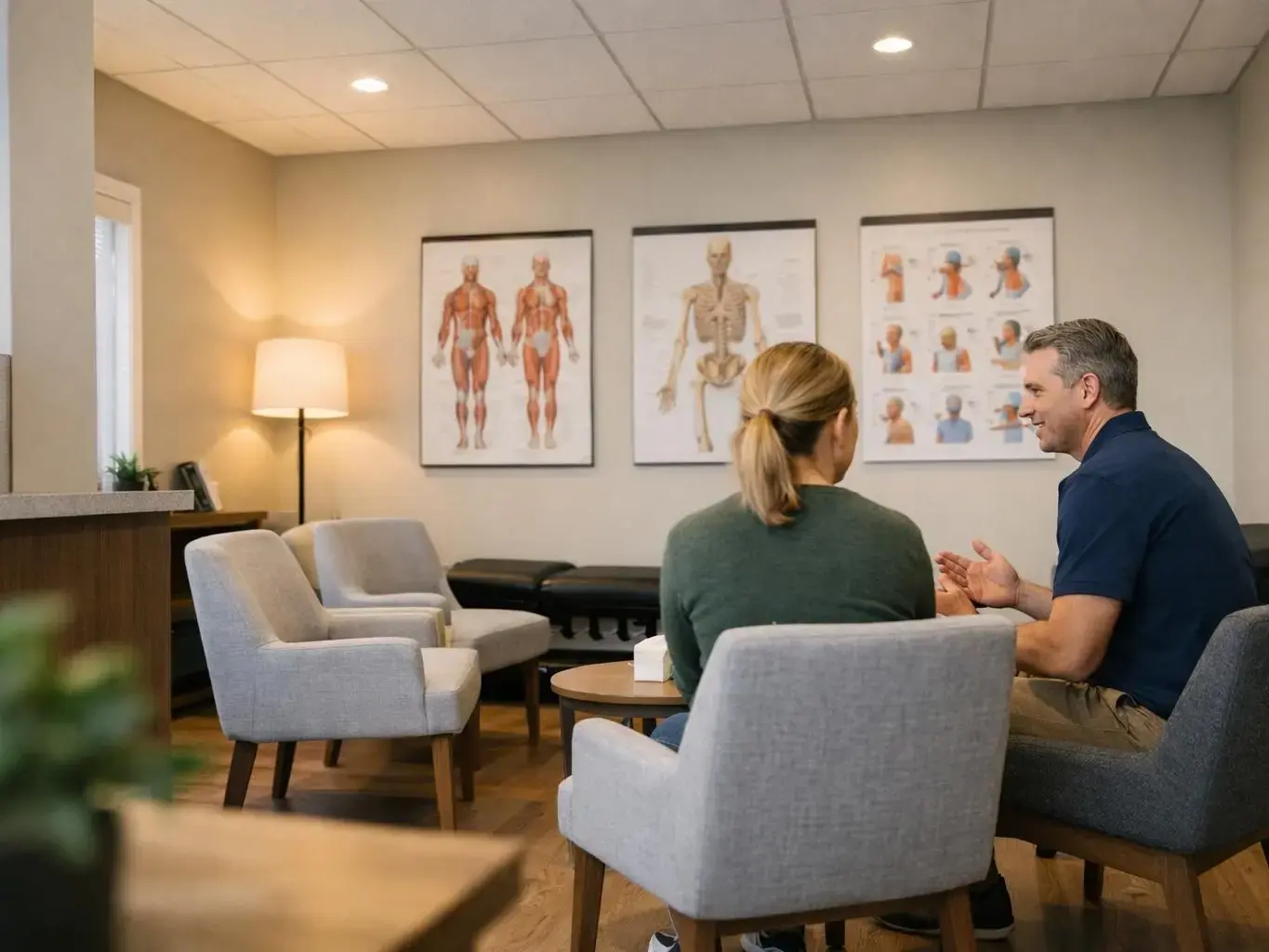
Spinal subluxation is a partial dislocation or misalignment of one or more vertebrae in the spine, which may interfere with nerve function, reduce mobility. And cause pain or discomfort. Chiropractors identify and correct subluxations to help restore proper spinal alignment and support overall nervous system health.
Category
Spinal misalignment
Used for
Diagnosing and treating nerve-related pain
Common confusion
Not the same as a complete dislocation
Also called
Vertebral subluxation, Spinal misalignment
Often discussed with
Car Accident Injury Treatment, Work Injury Treatment

A spinal subluxation happens when bones in your spine move. They move out of their normal spot.
Related glossary terms: Chiropractic Adjustment, Nerve Compression, Herniated Disc.
It's not a full dislocation (joint separation). It's a small shift. This shift can hurt nearby parts.
The spine protects your spinal cord. It also helps you move. But misaligned bones may press on nerves.
They can also tighten muscles. This causes pain, stiffness. Or pain in other body parts.
Subluxations can come from injuries. Falls or car accidents can cause them.
Bad posture or sitting too long can also cause them. So can doing the same motion over and over.
Small misalignments can get worse over time. This can lead to long-term pain or less movement.
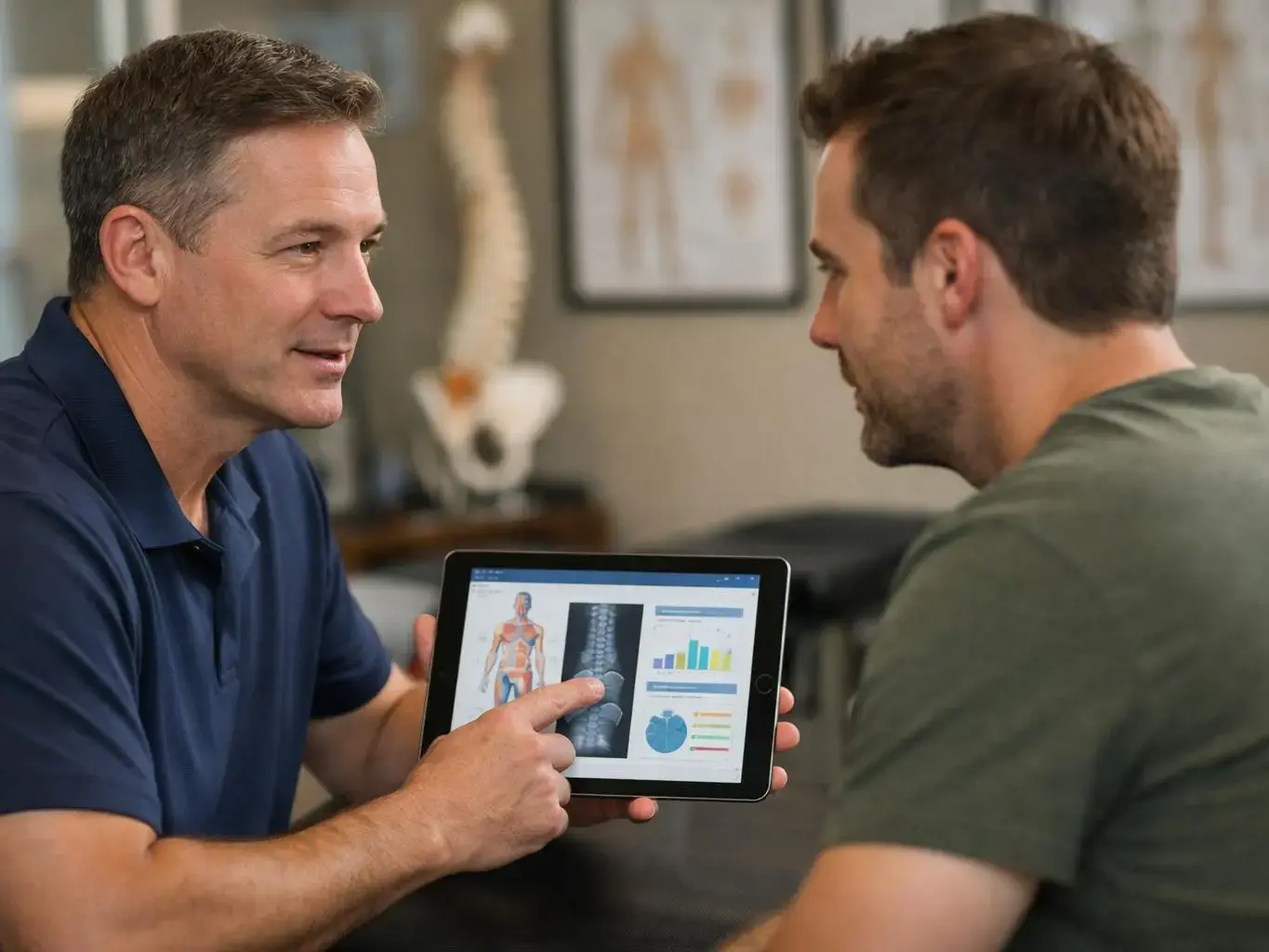
Chiropractors find these misalignments. They use exams, posture checks. And X-rays.
They learn where and how the spine is misaligned. Then they make a plan to fix it.
Chiropractors use hands and tools to find subluxations. They check for sore spots on your spine.
They look for stiff areas or tight muscles. They watch how you stand and walk.
This helps them spot imbalances. Sometimes they use X-rays to see bones better.
X-rays can rule out breaks or bad arthritis. They show where bones are out of place.
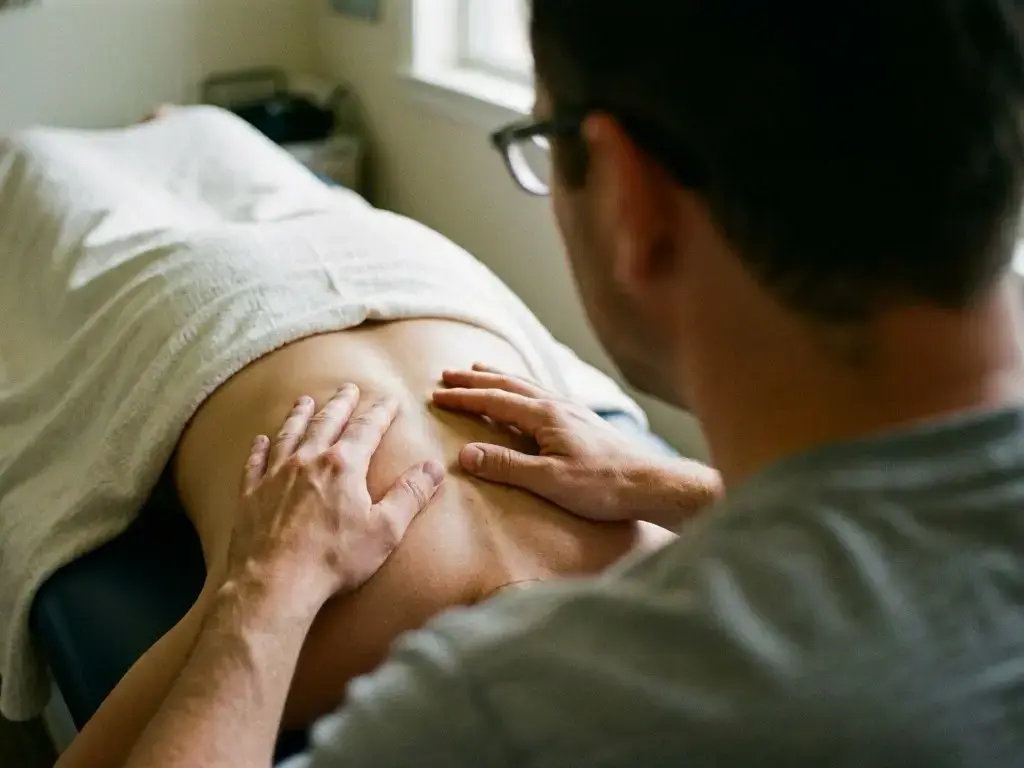
Once they find a subluxation, they fix it. They use spinal adjustments (gentle pushes).
These pushes help bones move back. You might hear a pop or crack.
This sound is normal. It's just gas bubbles in your joint fluid.
Other treatments can help too. They may use massage or stretches.
These help muscles relax. They support the adjustment.
Subluxations matter. They can stop your body from working well.
The spine protects your nerves. Nerves control movement and organs.
Misaligned bones can press on nerves. This can cause pain, numbness. Or weakness.
Pain can be in your back, neck. Or limbs. Over time, this can lead to bigger problems.
Fixing subluxations early helps. It can stop long-term issues.
It can also help you feel better. Many people see a chiropractor for this.
They want less pain and more movement. They want better posture too.
Good alignment helps athletes. It can improve performance.
It can also prevent injuries.
Some situations need quick care. After an injury, bones may shift.
Car accidents or falls can cause this. So can sports hits.
Pain may not show up right away. But early checks can find problems.
People who sit a lot can get subluxations. So can those who lift or type often.
Bad posture can cause them. So can muscle imbalances.
Older people may have more issues. Arthritis or weak bones can make it worse.
Subluxations can speed up joint wear. They can raise the risk of breaks.
They can also cause other problems. Headaches, stomach issues. Or tiredness may happen.
These can seem unrelated. But fixing the spine can help.
Knowing the signs helps. Getting care fast improves your life.
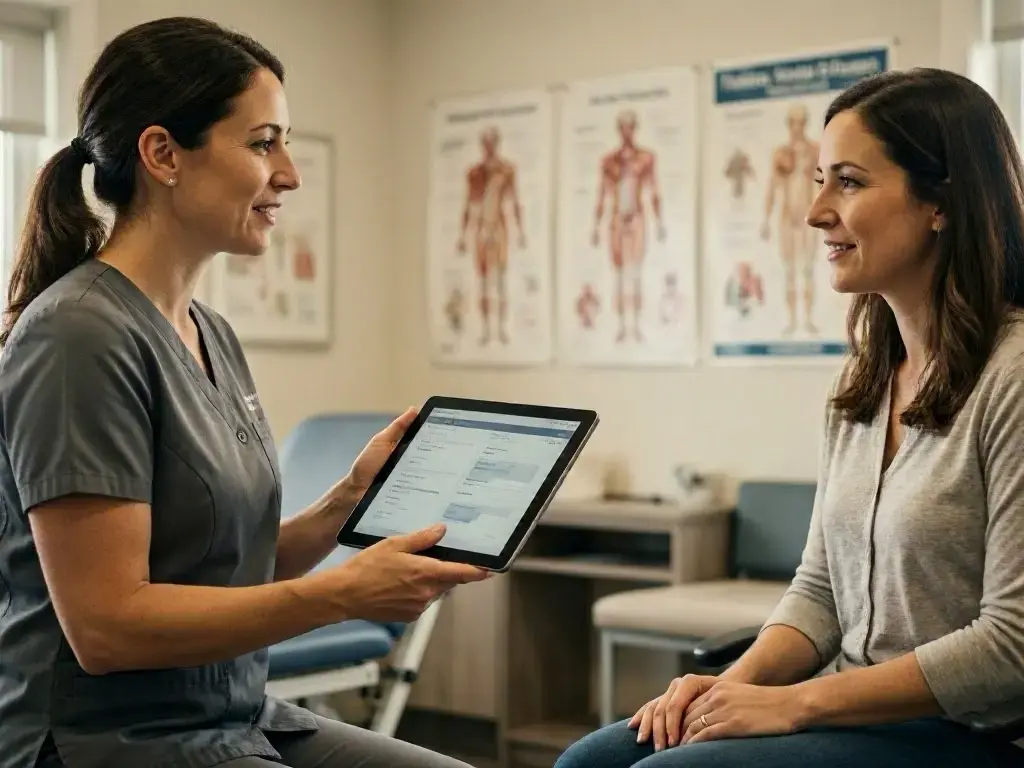
A herniated disc involves a tear in the spinal disc, allowing its inner gel to leak out. While a subluxation is a misalignment of a vertebra without disc damage.
Muscle strain refers to overstretched or torn muscle fibers, whereas a subluxation involves joint misalignment, often affecting surrounding muscles and nerves.
Nerve compression is a symptom that can result from a subluxation. But it can also be caused by other conditions like herniated discs or bone spurs.
Subluxations can be silent at first, meaning they may not cause immediate pain but still affect nerve function and mobility. Regular spinal check-ups can help detect misalignments early, even before symptoms appear.
After a minor car accident, a patient visits a chiropractor complaining of stiffness in their neck. The chiropractor identifies a subluxation in the cervical spine, where one vertebra has shifted slightly out of place. Through gentle adjustments, the vertebra is realigned, relieving tension and restoring normal movement.
Chiropractic Adjustment is a precise manual procedure where a licensed chiropractor applies controlled force to a specific joint in the spine or other body area. The goal is to improve alignment, reduce nerve irritation. And restore normal movement. Adjustments are often accompanied by a popping sound caused by gas releasing from the joint.
Nerve Compression is a condition where a nerve is pressed or squeezed by surrounding tissues, such as bones, muscles, tendons. Or cartilage. This pressure disrupts the nerve’s normal function, causing pain, tingling, numbness. Or weakness in the affected area. Common locations include the spine, wrists.
Herniated Disc is a spinal condition where the soft, jelly-like center of a spinal disc pushes through a tear in the tougher outer layer, often pressing on nearby nerves. This can cause pain, numbness. Or weakness in the back, arms. Or legs, depending on the disc’s location. Herniated discs commonly occur in the lower back or neck due to injury, aging. Or strain.
Ligament Sprain is an injury to a ligament—the tough, fibrous tissue that connects bones to other bones—caused by overstretching or tearing. Ligament sprains commonly occur in joints like ankles, knees. Or wrists during sudden twists, falls. Or impacts. Symptoms include pain, swelling, bruising. And limited movement. Recovery depends on the sprain’s severity, ranging from mild to complete tears.
Muscle Strain is an injury that occurs when muscle fibers stretch too far or tear due to overuse, sudden force. Or improper movement. It often causes pain, swelling. And limited mobility in the affected area. Muscle strains commonly affect the back, neck, legs.
Advanced Injury Care Clinic
Contact Advanced Injury Care Clinic for practical guidance on Spinal Subluxation and related chiropractor work in Brentwood.