Glossary

What is Therapeutic Ultrasound?

Therapeutic Ultrasound is a treatment method used by chiropractors and physical therapists to promote healing and reduce pain in muscles, tendons. And soft tissues. It uses high-frequency sound waves that penetrate deep into tissues, creating gentle heat and vibration. This process helps increase blood flow, relax tight muscles. And speed up recovery from injuries like sprains, strains. And tendonitis.

Reviewed by Advanced Injury Care ClinicSources reviewed: American Physical Therapy Association, National Institute of Arthritis and Musculoskeletal and Skin Diseases

Quick Facts About Therapeutic Ultrasound

Category

Physical therapy modality

Used for

Soft tissue healing and pain relief

Common confusion

Different from diagnostic ultrasound (imaging)

Also called

Ultrasound Therapy, Rehabilitative Ultrasound

Often discussed with

Work Injury Treatment, Auto Accident Injury Doctor

Key Takeaways About Therapeutic Ultrasound

Understanding Therapeutic Ultrasound
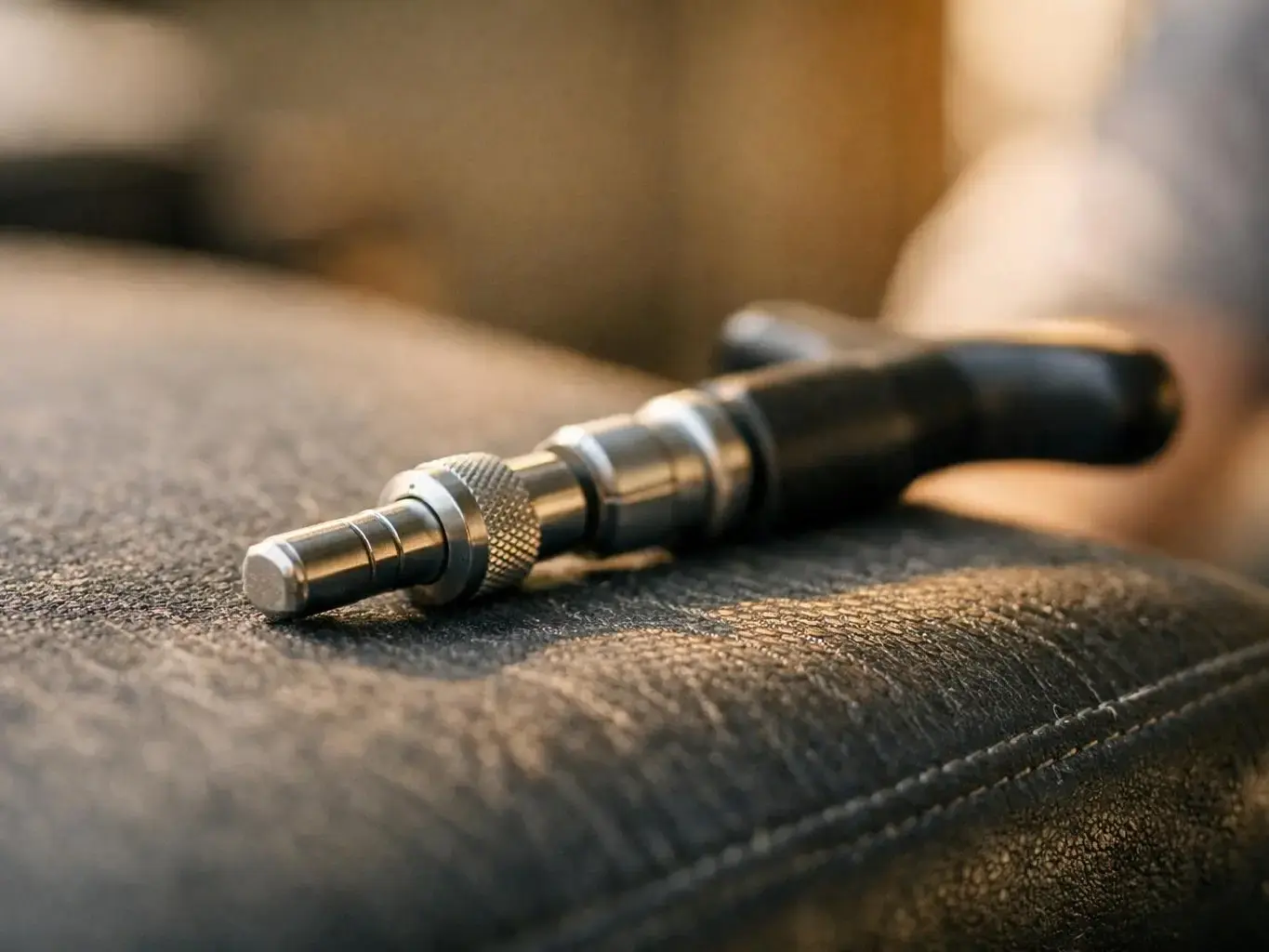
Therapeutic Ultrasound in Chiropractor—Brentwood

Therapeutic Ultrasound helps heal injuries. It also reduces pain. This treatment is used by chiropractors and physical therapists.

Related glossary terms: Soft Tissue Injury, Chiropractic Adjustment, Electrical Muscle Stimulation.

It uses sound waves. These waves warm muscles and soft tissues deep inside. They vibrate too fast for us to hear.

The waves are usually between 0.8 and 3.0 MHz (megahertz). That's a measure of speed. They pass through skin and make heat.

This heat causes tiny vibrations. These vibrations help the body heal itself.

People use it for muscle strains. It helps with sprains and tendonitis too. It also eases stiff joints.

The heat relaxes tight muscles. It boosts blood flow. This cuts down swelling.

It can break up scar tissue. Scar tissue forms after injuries. It can limit movement.

This treatment reaches deeper than heating pads. It works on tissues other methods can't reach.

How Therapeutic Ultrasound Works?

A handheld tool sends sound waves. This tool is called a transducer. It goes on the skin over the hurt spot.

A gel helps the waves move into the body. The waves make tiny vibrations in tissues. These vibrations create heat.

The heat brings more blood to the area. Blood carries oxygen and nutrients. These help healing.

It also relaxes muscles. It reduces stiffness. This makes moving easier.

The strength and speed of waves can change. This depends on the injury. It also depends on how deep the tissue is.

Lower speeds go deeper. They work on big muscles or joints. Higher speeds work on tissues near the skin.

Each session lasts 5 to 10 minutes. This depends on the size of the area.

Therapeutic Ultrasound is often used with other treatments. These include stretching and exercises. They also include hands-on therapy.

This mix improves flexibility. It cuts pain. It helps normal movement return.

A chiropractor might use it first. They warm up tight muscles. Then they adjust the spine or suggest exercises.

Why Therapeutic Ultrasound Matters?

Therapeutic Ultrasound helps you heal. It's safe and doesn't need surgery. It also doesn't need medicine.

Many people have muscle or joint pain. This pain comes from injuries or overuse. The treatment speeds up healing.

It boosts blood flow. It relaxes tight tissues. This helps the body heal itself.

People can return to normal activities faster.

It also breaks down scar tissue. Scar tissue forms after injuries. It can limit movement or cause pain.

The vibrations soften scar tissue. They break it apart. This improves flexibility and cuts pain.

It helps athletes and workers. It helps anyone recovering from surgery. It's great for repetitive strain injuries too.

When Therapeutic Ultrasound Matters Most?

Therapeutic Ultrasound helps with soft tissue injuries. These cause pain, stiffness. Or limited movement.

It treats muscle strains and sprains. It helps with tendonitis like tennis elbow. It eases stiff joints.

It reduces swelling. It boosts blood flow. This helps slow-healing areas like old injuries.

Chiropractors use it for car accident injuries. It helps with sports injuries too. It works for work-related strains.

Someone with whiplash may use it. It cuts neck stiffness and pain. Athletes with hamstring strains use it to heal faster.

Older adults with stiff joints benefit. It eases arthritis pain. It doesn't have medicine side effects.

Not everyone can use it. Don't use it on open wounds. Avoid it near infections or tumors.

Don't use it near metal implants. Pacemakers are one example. Pregnant women shouldn't use it on certain areas.

A chiropractor or therapist will check your injury. They'll decide if it's right for you.
How to Evaluate Therapeutic Ultrasound?

Related Concepts Compared

Therapeutic Ultrasound vs. Cold Laser Therapy

Cold Laser Therapy uses light energy to reduce pain and inflammation. While Therapeutic Ultrasound uses sound waves to create heat and stimulate tissue healing.

Therapeutic Ultrasound vs. Electrical Muscle Stimulation (EMS)

Electrical Muscle Stimulation uses electrical currents to contract muscles. While Therapeutic Ultrasound uses sound waves to heat and relax tissues.

Therapeutic Ultrasound vs. Diagnostic Ultrasound

Diagnostic Ultrasound creates images of internal organs. While Therapeutic Ultrasound is used to treat injuries and promote healing.

Expert Note

Therapeutic Ultrasound is most effective when combined with active rehabilitation, such as stretching or strengthening exercises. The heat and vibration prepare the tissues for movement, making it easier to improve flexibility and strength during recovery.

Common Mistakes or Myths About Therapeutic Ultrasound

  • Assuming therapeutic ultrasound is the same as diagnostic ultrasound used for imaging.
  • Using therapeutic ultrasound on open wounds, infections. Or tumors.
  • Expecting immediate pain relief after just one session—it often takes multiple treatments.
  • Applying therapeutic ultrasound without gel, which reduces effectiveness.

Therapeutic Ultrasound in Practice: A Real-World Example

After spraining an ankle during a basketball game, a patient visits a chiropractor for treatment. The chiropractor uses therapeutic ultrasound on the swollen ankle to increase blood flow and reduce stiffness. After the session, the patient notices less pain and improved mobility, allowing them to begin gentle stretching and strengthening exercises to support recovery.

Sources & Further Reading on Therapeutic Ultrasound

Related Services

Related Terms

Soft Tissue Injury

Soft Tissue Injury is damage to the body’s muscles, tendons, ligaments. Or other non-bony structures caused by sudden impact, overuse. Or repetitive motion. These injuries often result in pain, swelling, bruising. Or limited movement and can occur during sports, accidents. Or daily activities. Proper diagnosis and care help prevent long-term complications.

Chiropractic Adjustment

Chiropractic Adjustment is a precise manual procedure where a licensed chiropractor applies controlled force to a specific joint in the spine or other body area. The goal is to improve alignment, reduce nerve irritation. And restore normal movement. Adjustments are often accompanied by a popping sound caused by gas releasing from the joint.

Electrical Muscle Stimulation

Electrical Muscle Stimulation is a therapeutic technique that uses controlled electrical currents to cause muscle contractions. These contractions help improve muscle strength, reduce pain, promote healing. And restore function after injury or surgery. The treatment is non-invasive and typically administered by healthcare professionals using specialized devices.

Myofascial Release

Myofascial Release is a hands-on therapy technique that applies gentle, sustained pressure to the myofascial connective tissue to eliminate pain and restore motion. Myofascial Release targets the fascia, a thin layer of tissue that surrounds muscles, bones. And organs, which can become tight or restricted due to injury, inflammation. Or poor posture.

Functional Rehabilitation

Functional Rehabilitation is a goal-oriented treatment approach that helps injured individuals regain everyday movement, strength. And endurance by focusing on real-world activities rather than isolated exercises. It combines physical therapy, chiropractic care. And targeted exercises to restore function, reduce pain. And prevent future injuries after accidents, surgeries.

Advanced Injury Care Clinic

Have Questions About Therapeutic Ultrasound?

Contact Advanced Injury Care Clinic for practical guidance on Therapeutic Ultrasound and related chiropractor work in Brentwood.

+1 615-777-0624