Acute Pain is sudden, sharp discomfort that lasts from a few seconds up to three months. Acute Pain acts as the body’s alarm system, signaling tissue damage from injury, surgery. Or illness. Unlike ongoing pain, Acute Pain typically fades once the underlying cause heals.
Category
Short-term pain
Used for
Warning of tissue damage or disease
Common confusion
Often mixed up with chronic pain, which lasts longer
Also called
Sudden Pain, Short-term Pain
Often discussed with
Car Accident Injury Treatment, Work Injury Treatment

Acute Pain is how your body warns you. It happens fast when you get hurt. You feel it when you touch a hot stove.
Related glossary terms: Chronic Pain, Ligament Sprain, Muscle Strain.
You feel it when you twist your ankle. You feel it with a paper cut. Nerves send fast signals to your brain.
These signals cause sharp, strong pain. Doctors call this Acute Pain. It keeps you safe.
It tells you to pull your hand away. It tells you to rest your ankle. It tells you to clean the cut.
This helps stop infections. Most Acute Pain goes away fast. It lasts only while you heal.
A sprained wrist may hurt for days. A minor burn may sting for hours. Pain that lasts over three months is different.
Doctors call that chronic pain (pain that won’t go away). Knowing the difference helps. It helps pick the right treatment.
Acute Pain starts with tiny nerves. They sit in your skin and muscles. They feel when you get hurt.
These nerves send chemicals. The chemicals travel to your spinal cord. Then they go to your brain.
Your brain makes you feel pain. How bad it hurts depends on the injury. A deep cut hurts more than a scrape.
Doctors use simple scales to measure pain. One scale goes from 0 to 10. Zero means no pain.
Ten means the worst pain ever. Another scale uses faces. Happy faces mean no pain.
Sad or crying faces mean bad pain. This helps kids and others share how they feel. It helps doctors see if treatment works.
Acute Pain is not just bad. It helps you heal. It makes you protect the hurt spot.
A sore knee makes you limp. That takes pressure off. It stops more damage.
Pain tells you to get help. This can stop infections. It can stop lasting harm.
Without pain, you might ignore bad problems. They could get worse. They could be harder to fix.
Good pain care helps you heal faster. It cuts swelling. It loosens tight muscles.
It helps you move safely. This matters after accidents or surgery. Early care lowers risks.
It can stop Acute Pain from becoming chronic pain. Chronic pain lasts for years. It makes daily life hard.
Acute Pain matters most right after you get hurt. It happens in car accidents. It happens with falls.
It happens in sports injuries. It happens with sudden sickness. Pain acts like a warning.
Ignoring it can cause more harm. It can make recovery take longer. It can cause infections.
Some people need to watch pain closely. Kids may not feel pain as much. Older adults may not feel it either.
People with diabetes may not feel pain well. So may people with arthritis. They might not know how bad an injury is.
Athletes and workers face more risks. Their jobs can cause pain. Quick help from a doctor can help.
It can make healing faster. It can stop bigger problems later.
Chronic Pain lasts more than three months and often continues even after the injury heals. Acute Pain is short-term and tied to a specific cause.
Nerve Pain feels like burning, tingling. Or electric shocks and can be either acute or chronic. Acute Pain is usually sharp and linked to tissue damage.
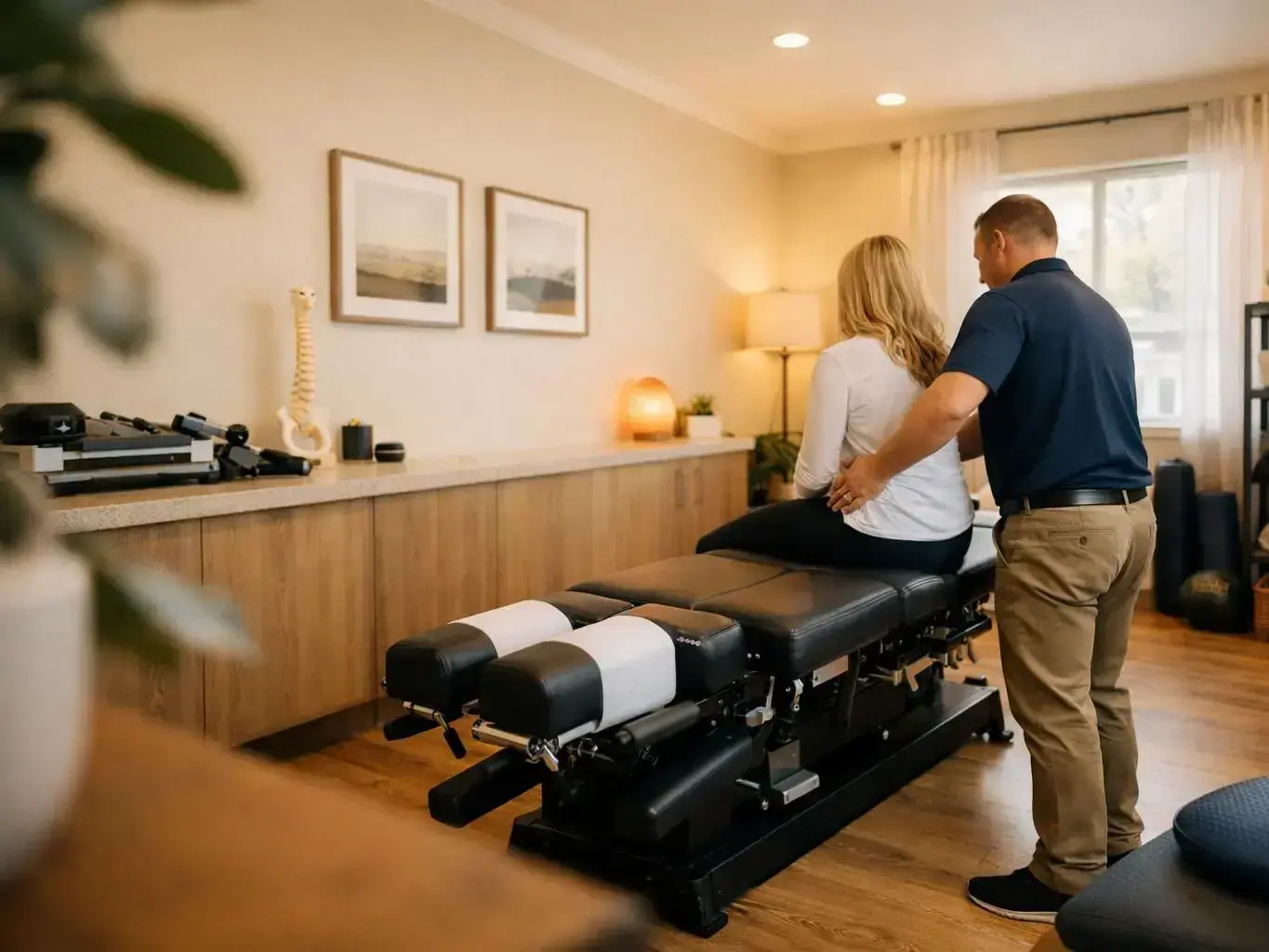
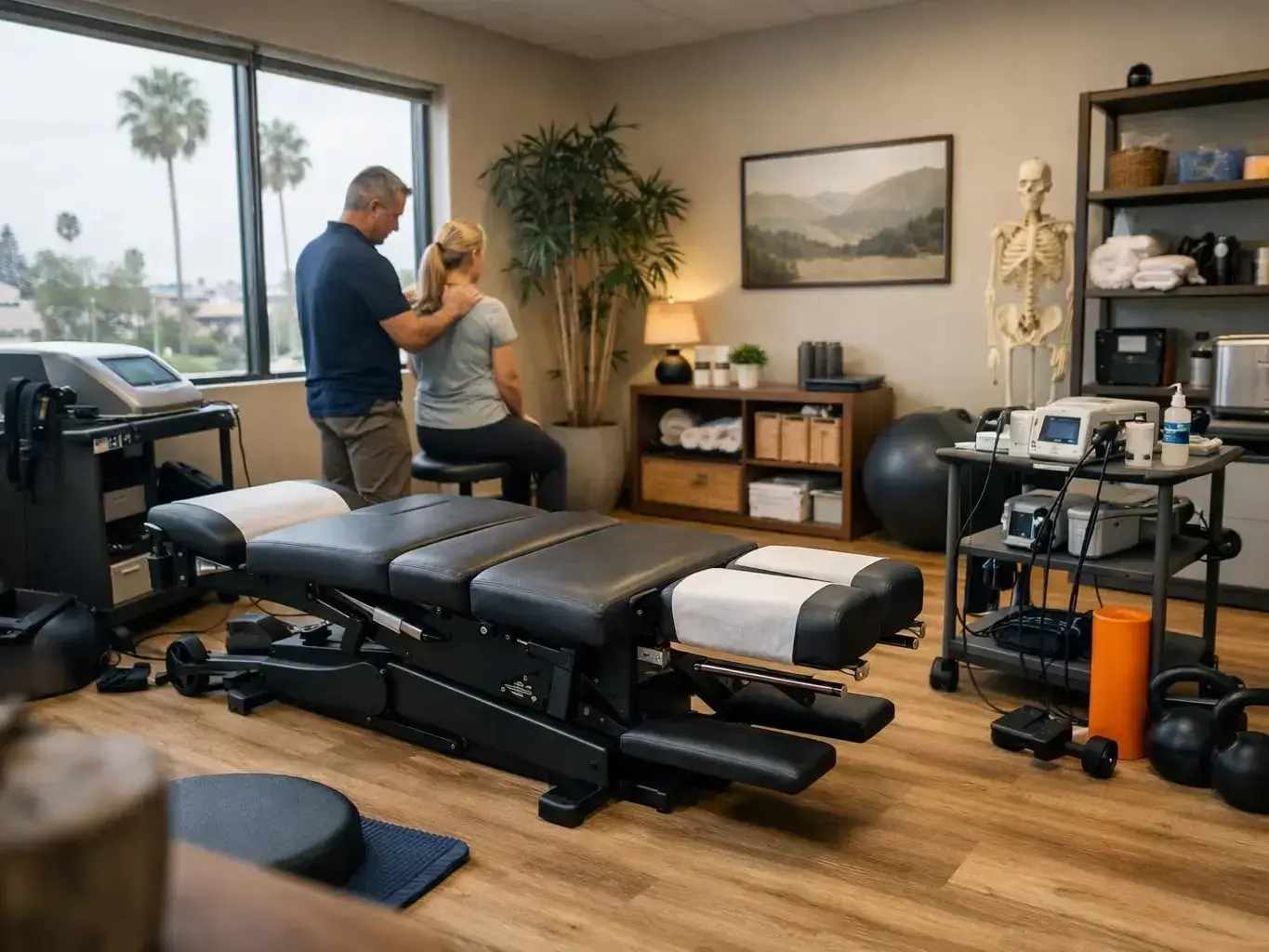
Acute Pain is the body’s early warning system. But it can also create muscle guarding and joint stiffness. Gentle movement and chiropractic care can help reduce secondary tension while still protecting the injured area.
After slipping on ice, Sarah felt a sharp pain in her lower back. The pain was worst when she moved. But ice and rest helped it fade over two weeks. Her doctor confirmed it was Acute Pain from a minor muscle strain, not a serious injury.
Chronic Pain is persistent discomfort that lasts for three months or longer, even after an injury or illness has healed. Chronic Pain can stem from conditions like arthritis, nerve damage. Or back problems. And it often interferes with daily activities, sleep. And mental health. Unlike short-term pain, Chronic Pain may not respond to typical treatments and requires ongoing management.
Ligament Sprain is an injury to a ligament—the tough, fibrous tissue that connects bones to other bones—caused by overstretching or tearing. Ligament sprains commonly occur in joints like ankles, knees. Or wrists during sudden twists, falls. Or impacts. Symptoms include pain, swelling, bruising. And limited movement. Recovery depends on the sprain’s severity, ranging from mild to complete tears.
Muscle Strain is an injury that occurs when muscle fibers stretch too far or tear due to overuse, sudden force. Or improper movement. It often causes pain, swelling. And limited mobility in the affected area. Muscle strains commonly affect the back, neck, legs.
Nerve Compression is a condition where a nerve is pressed or squeezed by surrounding tissues, such as bones, muscles, tendons. Or cartilage. This pressure disrupts the nerve’s normal function, causing pain, tingling, numbness. Or weakness in the affected area. Common locations include the spine, wrists.
Soft Tissue Injury is damage to the body’s muscles, tendons, ligaments. Or other non-bony structures caused by sudden impact, overuse. Or repetitive motion. These injuries often result in pain, swelling, bruising. Or limited movement and can occur during sports, accidents. Or daily activities. Proper diagnosis and care help prevent long-term complications.
Advanced Injury Care Clinic
Contact Advanced Injury Care Clinic for practical guidance on Acute Pain and related chiropractor work in Brentwood.