Understanding Cold Laser Therapy
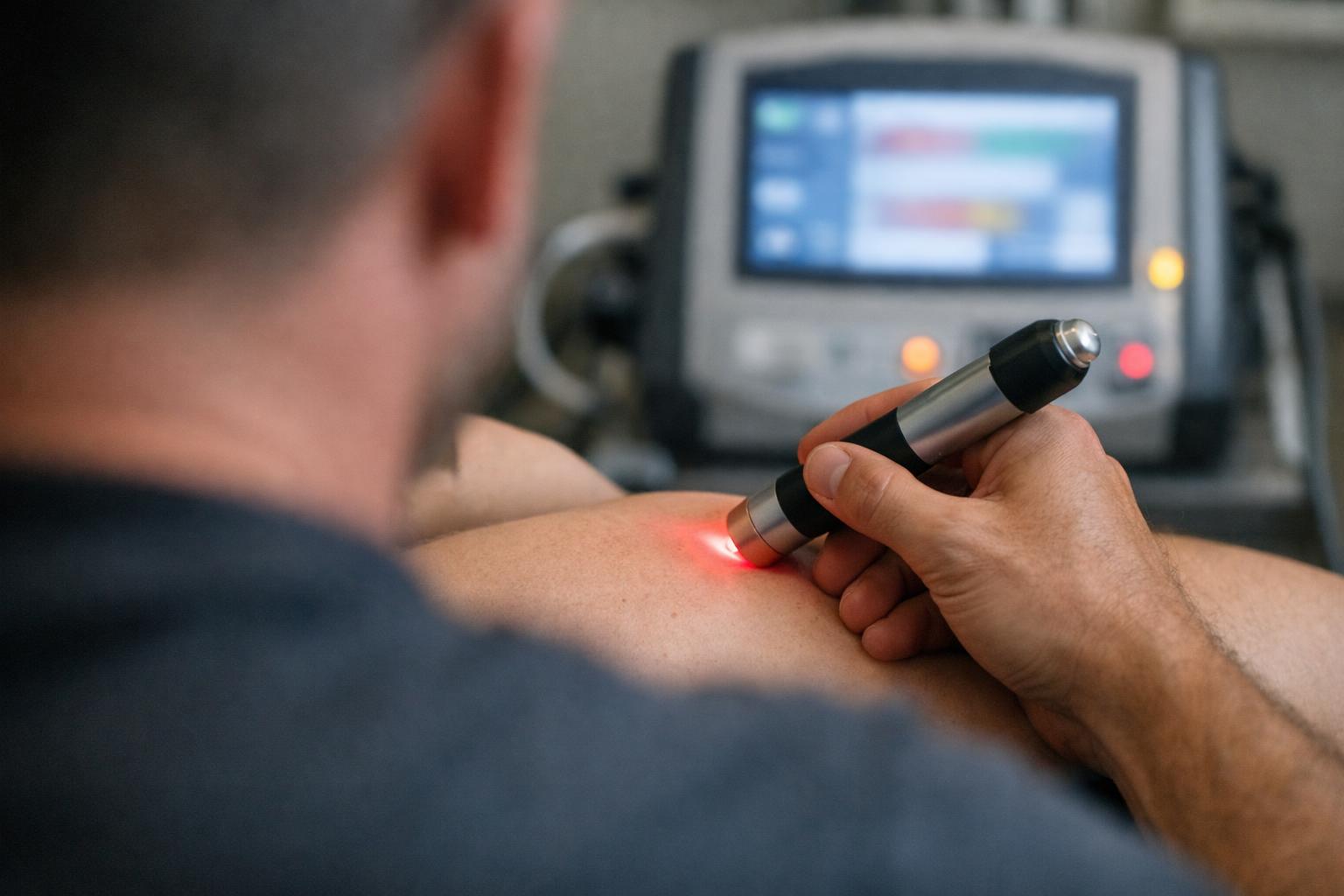
Cold Laser Therapy, also called low-level laser therapy (LLLT), is a medical treatment that uses specific wavelengths of light to interact with tissue. Unlike surgical lasers that cut or burn, Cold Laser Therapy uses low-intensity light that doesn't generate heat. The light energy penetrates the skin and is absorbed by cells, triggering a series of reactions that promote healing. This makes Cold Laser Therapy a safe option for patients who want to avoid medications, injections. Or surgery.
Related glossary terms: Chiropractic Care, Herniated Disc, Ligament Injury.
The therapy was first developed in the 1960s and has since been studied in over 3,000 clinical trials. It's used by chiropractors, physical therapists. And sports medicine professionals to treat a variety of conditions. Cold Laser Therapy is particularly effective for soft tissue injuries, joint pain. And nerve-related discomfort. Because it is painless and requires no recovery time, patients can resume normal activities immediately after a session.
How Cold Laser Therapy Works?
Cold Laser Therapy works by delivering light energy to damaged cells. The light is absorbed by mitochondria, the energy-producing parts of cells, which then produce more adenosine triphosphate (ATP). ATP is the fuel that cells use to repair and regenerate. Increased ATP production accelerates healing, reduces inflammation. And relieves pain. A typical session lasts between 5 and 15 minutes, depending on the size of the area being treated.
In practice, The lasers used in Cold Laser Therapy emit light at wavelengths between 600 and 1000 nanometers. These wavelengths are optimal for penetrating skin and reaching deeper tissues without causing damage. The treatment is applied directly to the skin using a handheld device. For customers, this means patients usually feel no sensation during the procedure. Though some report a mild warming effect. Multiple sessions are often needed to achieve the best results, with most treatment plans including 6 to 12 visits.
Cold Laser Therapy is measured by the power output of the laser, typically ranging from 5 to 500 milliwatts. The dosage is calculated based on the condition being treated and the size of the affected area. Chiropractors and therapists adjust the settings to ensure the right amount of energy is delivered without overexposure. The therapy is FDA-cleared for safety. But its effectiveness can vary depending on the patient and the condition.
Why Cold Laser Therapy Matters?
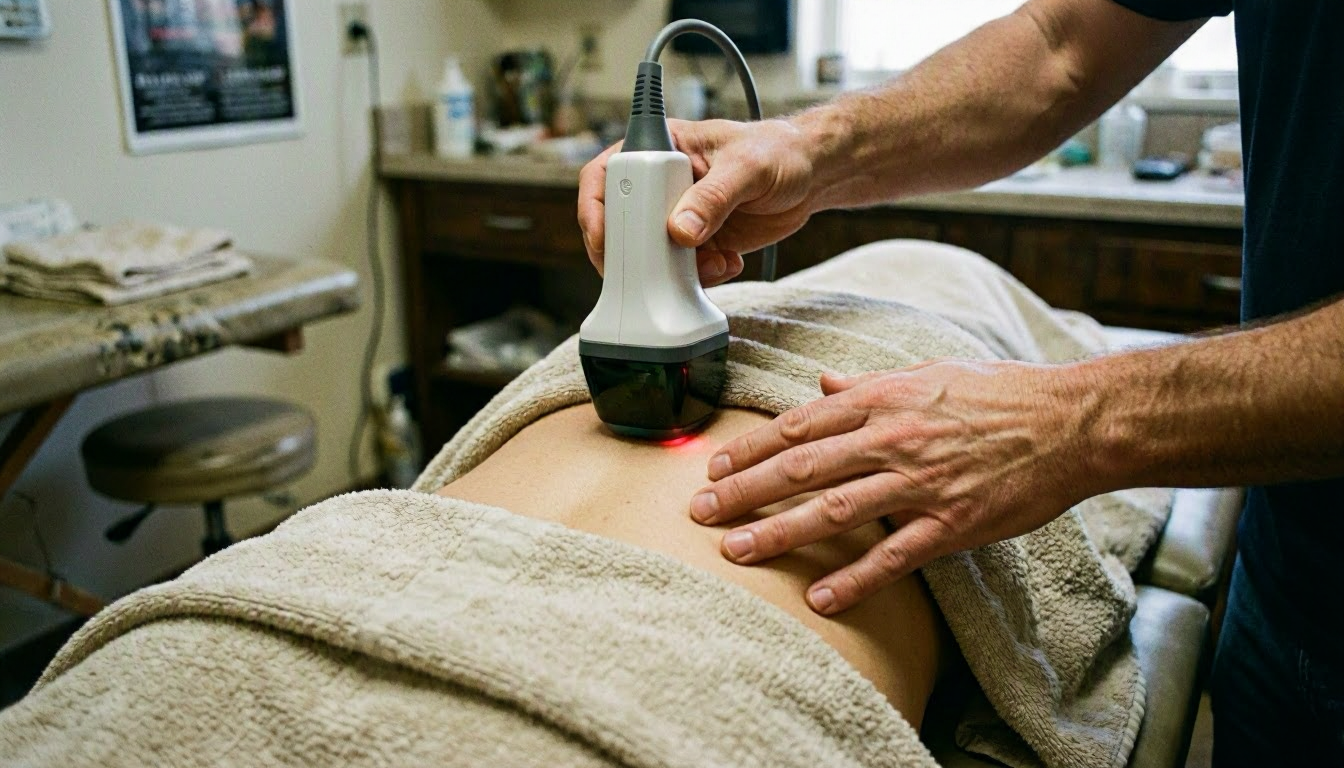
Cold Laser Therapy matters because it offers a drug-free, non-surgical option for pain relief and healing. Many patients seek alternatives to medications that can cause side effects or surgeries that require long recovery times. Cold Laser Therapy can reduce inflammation, which is a common cause of pain in conditions like arthritis, tendonitis. And muscle strains. By promoting cellular repair, it helps patients recover faster from injuries and return to daily activities sooner.
The therapy is also valuable for patients who can't tolerate other treatments. For example, individuals with sensitive skin or those who fear needles may prefer Cold Laser Therapy over injections or topical treatments. Because it is painless and has no known side effects, it is suitable for a wide range of patients, including children and the elderly. But it is not a cure-all and may not be effective for every condition. So it is often used as part of a broader treatment plan.
When Cold Laser Therapy Matters Most?
Cold Laser Therapy matters most for patients dealing with acute or chronic pain that has not responded to other treatments. It is commonly used for conditions like carpal tunnel syndrome, plantar fasciitis, back pain. And sports injuries. Patients recovering from surgery may also benefit from Cold Laser Therapy to reduce scar tissue and speed up healing. The therapy is particularly useful for individuals who want to avoid long-term use of pain medications, which can lead to dependency or other health issues.
In a chiropractic setting, Cold Laser Therapy is often combined with adjustments, physical therapy. Or other modalities to boost results. For example, a patient with a herniated disc might receive Cold Laser Therapy to reduce inflammation before or after a spinal adjustment. The therapy is also helpful for patients with nerve pain, such as sciatica, where inflammation compresses nerves and causes radiating discomfort. While Cold Laser Therapy can provide significant relief, The key thing is to consult a healthcare provider to determine if it is the right option for a specific condition.